Over 20 years as your solar system specialists
"We pride ourselves on good products, good pricing and good backup service"
Supporting 

Puredrive Solar Batteries: Are They Worth the Investment?

Introduction

The Rising Need for Solar Energy Solutions

In the wake of increasing environmental concerns and the growing demand for sustainable energy sources, the role of solar energy has never been more pivotal. Save Energy UK, at the forefront of this green revolution, offers comprehensive solar energy solutions, including the installation of solar panels, solar battery storage, and car chargers. This blog delves into the effectiveness and value of investing in Puredrive Solar Batteries, a key component in maximising the benefits of solar energy systems.

The Basics of Solar Energy Storage

Understanding Solar Batteries

Solar batteries are essential for harnessing the full potential of solar panels. They store excess energy generated during peak sunlight hours, making it available for use during the night or cloudy days. This storage capability is crucial for maintaining a consistent energy supply, especially in regions with variable weather conditions.

How Puredrive Solar Batteries Fit In

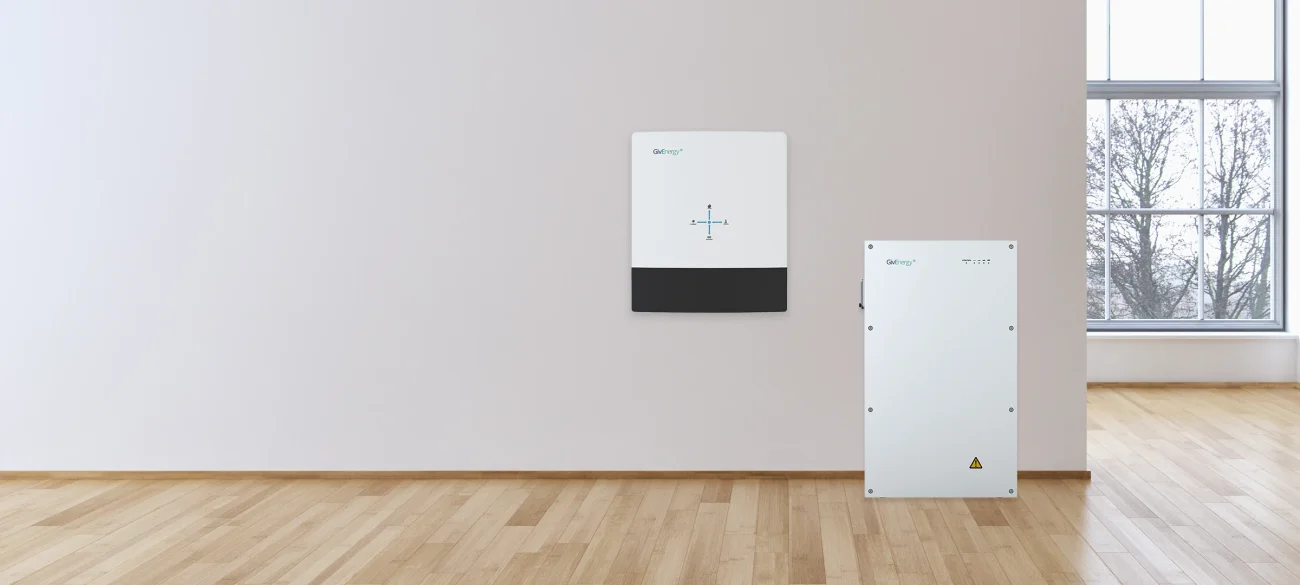
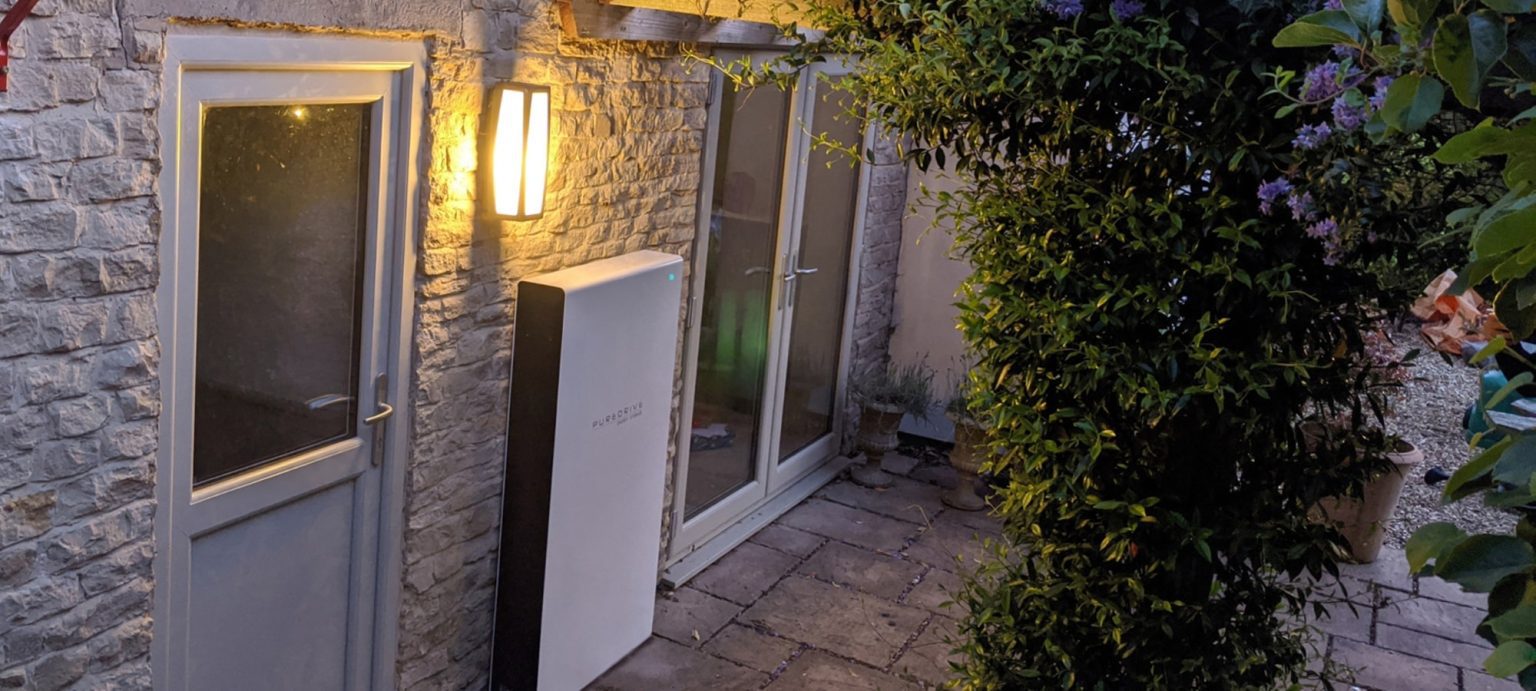
Puredrive, a prominent brand in the realm of solar energy storage, offers state-of-the-art batteries that complement and enhance solar panel systems. Their products are designed to improve energy efficiency and ensure uninterrupted power supply, making them an attractive option for both residential and commercial setups.

The Benefits of Puredrive Solar Batteries

Enhanced Energy Efficiency

The core advantage of Puredrive Solar Batteries lies in their efficiency. By storing surplus solar energy, they reduce dependency on the grid, especially during peak hours. This not only ensures a steady supply of electricity but also significantly cuts down on energy bills.

Cost-Effectiveness in the Long Run

The initial cost of solar batteries might seem substantial, but their long-term economic benefits are undeniable. Reduced electricity bills, combined with potential government incentives for using renewable energy sources, make Puredrive Solar Batteries a financially sound investment.

Environmental Impact

Opting for solar batteries is a significant step towards reducing one’s carbon footprint. By relying on renewable energy and decreasing fossil fuel consumption, users of Puredrive Solar Batteries contribute to global environmental conservation efforts.

Assessing the Investment

Initial Costs vs Long-term Savings

While evaluating the cost-effectiveness of Puredrive Solar Batteries, it’s important to consider the bigger picture. The initial investment is offset by the long-term savings on energy expenses. Additionally, the durability of these batteries means fewer replacements and maintenance costs.

The Durability and Lifespan of Puredrive Batteries

Puredrive Batteries are known for their robustness and longevity. These batteries are built to withstand numerous charge cycles, ensuring they last for many years. This longevity further enhances their cost-effectiveness, making them a valuable addition to any solar power system.

Real-World Applications and Success Stories

Case Studies

Incorporating real-life examples and testimonials from customers who have benefitted from Puredrive Solar Batteries can provide practical insights and reinforce the benefits discussed. These stories can range from residential users who have seen a dramatic decrease in their energy bills to businesses that have achieved near-complete energy independence.

Conclusion

Making an Informed Decision

In conclusion, Puredrive Solar Batteries represent a significant advancement in solar energy storage. Their ability to efficiently store and supply solar energy, combined with long-term financial and environmental benefits, makes them a worthy investment for anyone looking to optimise their solar energy system. Save Energy UK, with its commitment to providing top-tier solar solutions, stands ready to assist customers in making this sustainable and cost-effective energy choice.

Key Considerations Before Solar Panel Installation in Bournemouth, Christchurch, and Poole

Introduction:

With the growing emphasis on sustainability and energy efficiency, homeowners and businesses in the Bournemouth, Christchurch, and Poole regions are increasingly turning to solar panels as a viable energy solution. Save Energy UK, a specialist in solar panel installation and energy conservation, stands at the forefront of this eco-friendly transformation. Before embarking on this green journey, it’s essential to weigh several crucial factors to ensure that your switch to solar energy is both beneficial and seamless. In this comprehensive guide, we’ll explore the key considerations you should address before outfitting your property with solar panels.

1. Understanding Solar Energy

Solar energy is a clean, renewable power source that is becoming increasingly popular in the UK, thanks to its potential for significant energy savings and contribution to environmental conservation. Solar panels capture sunlight and convert it into electricity that can power your home or business, reducing reliance on the grid and fossil fuels. The benefits of solar energy are manifold, including lower electricity bills, reduced carbon emissions, and even the potential for earning money back by selling excess energy back to the grid.

2. Site Evaluation

For residents of Bournemouth, Christchurch, and Poole, a site evaluation is a critical first step. Your property must be assessed for its suitability for solar panel installation. Factors such as the pitch, orientation, and strength of your roof, as well as the amount of sunlight your property receives, will all play a part in determining the efficiency of your solar panels. Save Energy UK offers comprehensive site assessments, ensuring that your home is a good candidate for solar panel installation.

3. Energy Needs Assessment

Before installation, it’s essential to understand your energy consumption patterns. Save Energy UK can help calculate your current energy use and estimate future consumption. This assessment is key to designing a solar system that meets your needs without over- or under-investing in your solar panel capacity.

4. Types of Solar Panels

Solar panel technology has evolved, offering various options to homeowners. The most common types of solar panels include monocrystalline, polycrystalline, and thin-film, each with its own set of benefits and efficiency rates. Save Energy UK can help you navigate these options and select the best type of solar panel for your property, considering factors like efficiency, cost, and how they will look on your roof.

5. Solar Inverters

The inverter is the heart of your solar panel system, converting the direct current (DC) electricity generated by your panels into the alternating current (AC) electricity used in your home. The choice between string inverters, microinverters, and power optimisers can significantly affect the performance and flexibility of your solar system. Save Energy UK’s expertise will guide you to the right inverter choice for your specific situation.

6. Solar Batteries and Energy Storage

Energy storage is an essential component for any solar power system, allowing you to store excess energy for use when the sun isn’t shining. Save Energy UK specialises in the latest solar battery technologies, offering solutions that enhance the self-consumption of solar power and increase the independence of your home from the grid.

9. Legal and Administrative Aspects

There are legal and administrative considerations to take into account before installing solar panels. These include building regulations, planning permissions, and grid connection requirements. Save Energy UK navigates these regulations for you, ensuring that all legalities are addressed, and the process is as streamlined as possible, providing peace of mind and a clear path to solar installation.

10. Maintenance and Monitoring

Solar panel systems are relatively low maintenance, but regular checks are important to ensure they are functioning optimally. Save Energy UK offers maintenance services and advice on monitoring systems, so you can keep track of your system’s performance and quickly address any issues. This proactive approach ensures your system’s longevity and efficiency.

11. Environmental Impact

Switching to solar power has a significant positive impact on the environment. By reducing reliance on fossil fuels, your carbon footprint decreases, contributing to the fight against climate change. Solar panels also contribute to the UK’s renewable energy targets. Save Energy UK is committed to promoting biodiversity and environmental stewardship through their solar panel installations.

Conclusion

Embracing solar energy is not just a step towards sustainable living; it’s a strategic financial decision that can yield long-term savings and energy independence. With comprehensive support from Save Energy UK, transitioning to solar power is a seamless process, from initial assessment to post-installation service. If you’re considering solar panels for your property, contact Save Energy UK to learn more about how they can illuminate your path to clean energy.

Top 10 Energy-Saving Tips Every UK Household Should Know

Understanding the Impact of Energy Savings

As energy bills continue to soar across the United Kingdom, homeowners are searching for effective ways to cut costs and conserve energy. With climate change concerns and the cost of living on the rise, energy efficiency has never been more crucial. At Save Energy UK, we understand the importance of reducing your carbon footprint while keeping your home cosy and your bills low. Here are the top 10 energy-saving tips that every UK household should implement to enjoy a more sustainable and cost-effective home.

Before diving into our top tips, it’s important to understand the impact of energy savings. Not only does reducing energy consumption lower your utility bills, but it also decreases the demand for fossil fuels, reducing greenhouse gas emissions and contributing to a cleaner, healthier environment. With energy-saving installations, such as solar panels, solar batteries, solar storage, and car chargers, Save Energy UK is at the forefront of helping households transition to more sustainable energy solutions.

Upgrade to Solar Panels

One of the most effective long-term investments for energy savings is the installation of solar panels. By harnessing the power of the sun, solar panels convert sunlight into electricity, allowing you to generate your own clean energy. This not only slashes your electricity bills but also ensures you’re less dependent on the grid, providing a buffer against energy price fluctuations.

Invest in Solar Batteries

Solar batteries complement your solar panel setup by storing excess energy produced during the day for use at night or during low-light conditions. This means you can maximise the use of your solar-generated electricity and minimise what you need to draw from the grid, leading to even more savings on your energy bill.

Consider Solar Storage Solutions

Solar storage solutions are an extension of solar batteries, where you can integrate smart systems to efficiently manage and distribute the stored energy. By using advanced technology, these systems can predict your energy consumption patterns and ensure that you are using your solar energy in the most cost-effective way.

Install Electric Vehicle (EV) Car Chargers

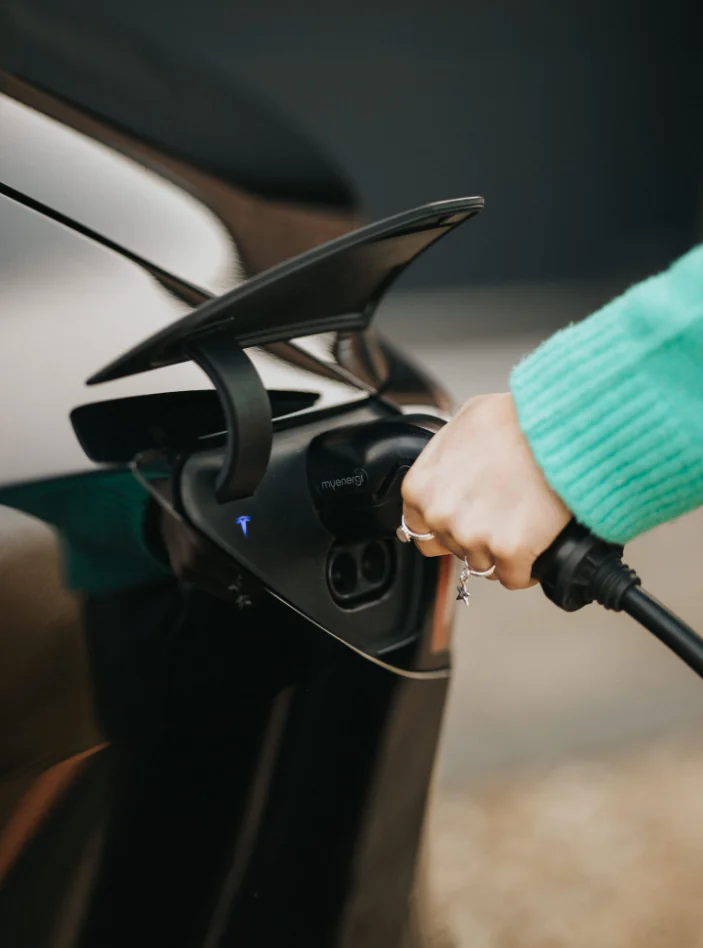
With the rise of electric vehicles (EVs) as a sustainable alternative to petrol and diesel cars, having an EV car charger at home can offer both convenience and significant energy savings. Charging your car overnight during off-peak electricity times can further reduce your energy costs and carbon footprint.

Insulate Your Home Properly

A well-insulated home reduces the amount of heat that escapes during the winter and keeps your home cooler during the summer. Loft insulation, cavity wall insulation, and double-glazed windows can make a substantial difference in your energy consumption and should be considered a top priority for an energy-efficient home.

Upgrade to Energy-Efficient Appliances

When it’s time to replace appliances, opting for energy-efficient models can lead to significant savings over the lifespan of the product. Look for the Energy Saving Trust Recommended label or appliances rated A+++ on the EU energy label.

Use LED Lighting

Switching to LED lighting is one of the simplest and most cost-effective energy-saving measures. LEDs use a fraction of the electricity compared to traditional incandescent bulbs and last much longer, saving money on both energy bills and replacement costs.

Smart Thermostats and Heating Controls

Smart thermostats and heating controls can make a big difference in managing your energy usage. They allow you to set your heating for when you need it and ensure you’re not wasting energy when you’re out. With smart controls, you can adjust settings from your phone, tablet, or computer, giving you real-time control over your household’s energy consumption.

Draught-Proof Your Home

Draught-proofing is another simple yet effective way to save energy. By sealing gaps around windows and doors, you can prevent cold air from entering and warm air from escaping. This will make your home more comfortable, reduce the need for heating, and thus save energy.

Educate Your Household

Last but not least, educating everyone in your household about the importance of saving energy can make a big difference. Simple actions like turning off lights when leaving a room, reducing water usage, and avoiding standby modes on electronics can collectively lead to substantial energy savings.

Conclusion: Embrace Energy Efficiency with Save Energy UK

Embracing energy efficiency is a win-win for both the environment and your wallet. By following these top 10 tips, UK households can make a significant impact on their energy consumption. Remember, Save Energy UK is here to assist with energy-saving installations and advice. From solar panels to smart heating systems, we provide solutions that not only save energy but also support a sustainable future.

Implementing these energy-saving measures will not only contribute to a more sustainable planet but also lead to a more cost-effective lifestyle. So why not start today? Contact Save Energy UK to find out how we can help your household become more energy-efficient. Together, we can make a difference for both our environment and our energy bills.


Experts anticipate a boom in off-grid lifestyles propelled by breakthroughs in solar power technology.

Scientists forecast a surge in off-grid living due to advancements in solar technology

Over the past ten years, solar energy expenses have plummeted by 90%, and recent innovations have led to higher efficiency levels.

A new research indicates that rooftop solar panels could fulfill the complete energy requirements of over 30 million European households.

The study, conducted by Germany’s Karlsruhe Institute of Technology, suggests that over half of the 41 million detached homes in Europe could have achieved energy self-sufficiency in 2020 through the use of solar panels and battery storage, a number projected to increase to 75 percent by 2050.

Improvements in solar technology are set to make it financially feasible for some of these independent single-family homes to disconnect from the power grid entirely in the future years.

However, the study authors argue that from a broader economic perspective, it’s more practical for households to stay grid-connected and supply surplus power to others when there’s an abundance of energy production.

“Our findings indicate that by 2050, while going off-grid might not be the cheapest option, investing in self-sufficient properties could be justifiable for those prepared to pay a premium for independence,” said Max Kleinebrahm, the study’s lead author and an energy economics expert at the Karlsruhe Institute of Technology.

He added, “A mass migration away from the grid would be less effective compared to households contributing to and reinforcing the existing grid infrastructure.”

These findings were outlined in a paper titled ‘Two million European single-family homes could abandon the grid by 2050’, featured in the academic periodical Joule.

Solar panel costs have experienced a substantial decrease lately, with solar energy becoming almost 90 per cent cheaper in the past ten years, as determined by the Berlin-based Mercator Research Institute on Global Commons and Climate Change (MCC) in their September analysis.

Lead investigator Felix Creutzig has suggested that the plunging prices might enable solar technology alongside other renewable resources to affordably meet global energy demands by 2050.

In a related study last month by teams at the University of Exeter and University College London, findings indicated that solar energy has surpassed a decisive threshold and is on track to become the dominant energy source worldwide within thirty years.

“With the latest advances in renewable energy, scenarios dominated by fossil fuels are becoming outdated,” stated Femke Nijsse of the University of Exeter.

She explained, “Employing three models that account for positive reinforcements, our projections see solar PV becoming the cornerstone of the global energy landscape by the mid-21st century.”

UK Households Prepare for Soaring Energy Bills in 2024

UK residents brace for a surge in energy bills in 2024

The forecast for the upcoming year suggests UK households will encounter increased energy costs, with a report indicating that electricity rates will continue to hover significantly over the rates seen before the energy crisis.

UK families are set to face rising energy costs with Cornwall Insight’s top analysts predicting a climb in electricity market rates for 2024 onwards.

Forecasts suggest that the average wholesale power prices in the UK will jump from £96.64 per megawatt-hour currently to £129/MWh in the next year.

The anticipated increase in energy costs is largely due to the hike in gas prices, a situation that arose from the conflict in Ukraine.

The assessment, grounded in the end-of-September commodity futures markets data, predates the latest market shifts. These shifts were influenced by tensions surrounding the Israel-Hamas conflict, which pose potential risks to global oil and gas supply chains.

Higher Energy Bills Forecast for UK Next Year

UK households to brace for increased energy bills in the coming year

Anticipated surge in electricity market prices by 2024 with sustained rates significantly higher than pre-crisis figures throughout the decade

Energy expenses for UK households are poised to escalate in the subsequent year. A prominent forecasting agency has indicated that electricity market rates are expected to climb in 2024 and will continue to exceed levels seen before the energy crisis for the remaining years of the decade.

Cornwall Insight, an analytical firm, has projected that the average wholesale power costs in Britain, which stood at £96.64 per megawatt-hour for the current year, are likely to increase to £129/MWh in the following year. This rise is primarily attributed to inflated gas prices, a direct consequence of the ongoing conflict in Ukraine.

The forecast is based on data from commodity futures markets as of the end of September. However, since that assessment, the cost of gas and electricity has experienced further increases amidst concerns that the conflict between Israel and Hamas might disrupt oil and gas supplies.

Electricity rates are predicted to remain significantly high until the decade’s end, sustaining a level that is at least 60% above the 2021 figures, which were before the post-Covid-19 economic rebound drove market prices up.

Experts foresee that the incorporation of more renewable energy sources into the power grid, diminishing the dependence on gas-powered stations, will eventually lead to a decrease in market prices. Yet, these prices are expected to remain over £80/MWh, which is still considerably higher than before the energy crisis erupted.

Tom Edwards, a senior modeller with Cornwall Insight, commented that any delay in the UK’s progression toward renewable energy could prolong elevated energy bills. Cornwall’s recent analysis suggests that the UK is on track to fall short of its ambition to quintuple offshore wind capacity to 50GW by 2030 due to escalating supply chain costs.

“Any retreat from our net zero goals and a slower transition from fossil fuels may result in expensive setbacks. This will not only impede our decarbonization efforts but also mean sustained high energy costs for consumers,” Edwards remarked.

He further pointed out that without staunch dedication to a greener, more sustainable future, the dual objectives of achieving net zero emissions and reverting to pre-crisis energy prices become increasingly difficult to attain.

According to Cornwall’s projections, by the year 2030, offshore wind is expected to constitute 26% of the UK’s electrical capacity, a rise from the current figure of about 13%. In contrast, the proportion of gas-fired power capacity is anticipated to halve from 27% to 13% within the same timeframe.

Edwards noted, “The UK is on the right trajectory towards an electricity system powered by renewables. Nevertheless, our projections indicate that the pace is too slow to meet the government’s set targets.”

The wholesale costs of gas and electricity account for just over half of the average domestic energy bill. The remaining costs are for grid enhancements to integrate new renewable energy sources and for funding government initiatives that support low-carbon energy ventures.

Edwards emphasized the urgency of the situation, urging the government to re-evaluate its commitment to hastening the transition to renewable energy. This entails adopting more flexible strategies, particularly in auction settings, to achieve the country’s offshore wind objectives.

Might Octopus Surpass British Gas as Britain’s Leading Energy Provider?


You’d be forgiven for thinking the energy market had at last turned a corner.

Ofgem’s price cap dropped at the beginning of the month, wholesale prices have begun to stabilise somewhat, and we’ve seen a quiet comeback of the fixed price tariff.

This might seem reminiscent of a more ‘usual’ market, but it’s one that has undergone fundamental change and is very much shaped by the energy crisis.

After so many suppliers went under two years ago, the big traditional providers have regained dominance, and focus has shifted to what they’re genuinely offering to customers.

Whilst wholesale prices have trended downwards, they remain significantly higher than pre-crisis and pre-pandemic levels, and this isn’t expected to change in the near future.

This means suppliers are now navigating uncharted waters: price isn’t the sole deciding factor anymore, and customers are expecting more from their providers.

Moreover, the previously fledgeling Octopus Energy has made a significant impact on the market, and the recent acquisition of Shell Energy customers could further disrupt the market as it contends for the leading position.

We explore why customers might find it challenging to secure affordable deals on both variable and fixed tariffs, where suppliers may seek to compete next, and the possibility of Octopus securing the top position.


How the Big 6 Regained Their Hold on the Energy Market

Two years back, Britain boasted 44 active domestic energy suppliers, a decrease from the 70-strong peak in 2018. Today, that number stands at merely 20.

An influx of smaller suppliers once meant consumers enjoyed reduced rates as they sought out the best deals, sidestepping the elevated costs that regular non-switchers faced.

However, the surge in wholesale energy prices in 2021 caught many off guard. Among them was Bulb Energy, with its sizeable clientele of 1.5 million. Sadly, their success became their undoing.

Martin Young, a utilities equity analyst at Investec, remarked, “There was a distinct push, both politically and by Ofgem, to view competition as the hallmark of success. It seemed to be about competition for the sake of it. The rates some were offering were clearly untenable.”

He further added, “You don’t need more than 70 suppliers to foster a competitive market, a fact made evident by the numerous collapses.”

A reduction in suppliers typically dampens competition. Now, with their hands tied due to elevated wholesale prices, the competitive deals of yesteryears are nowhere in sight.

Furthermore, many customers, previously aligned with smaller providers that folded, found themselves moved to Ofgem’s ‘supplier of last resort’ scheme, inadvertently expanding the customer base of the larger suppliers.

This widespread collapse prompted Ofgem to re-evaluate and strengthen the financial prerequisites for energy suppliers, thereby raising the entry and ongoing operational thresholds. According to Young, this is a prime factor behind the scarcity of competitive deals today.

The industry’s reshuffling left in its wake a cluster of ‘pragmatic’ suppliers, less likely to venture into the realm of unviable pricing.


Why Aren’t Fixed Price Tariffs More Competitive?

Following the decline in the October price cap, suppliers have discreetly rolled out fixed tariffs for their clientele. However, a glance at these offerings reveals that few are competitively positioned against the price cap, though they mark a step forward.

The majority of these tariffs hover slightly below or above the cap, making them redundant for those who aren’t seeking payment predictability in the coming months.

No Shift in Standing Tariffs

Standing charges – a consistent fee regardless of energy consumption – are anticipated to rise in the forthcoming months, drawing increased attention.

To truly foster competition, suppliers need to challenge the pricing of major players in the sector, opines Angharad Carrick. Yet, experts are sceptical about such a shift, noting the current trend seems to favour suppliers.

Ofgem has hinted at a provisional £17 bill hike to ‘safeguard the energy sector’. Reducing standing charges would impact suppliers’ profit margins, which might be questionable to consumers, especially in light of some suppliers’ impressive recent profits.

With wholesale prices descending as these tariffs came into play, why don’t they offer better value?

If you concur with Cornwall Insight’s energy specialists, who predict a price surge in January, these tariffs might be appealing. Their perceived non-competitiveness stems from market fluctuations, supplier strategies, and the energy price cap’s computation process.

With the price cap updated quarterly instead of biannually, Young believes it’s now more reflective of the prevailing market. “During the wholesale price surge, the cap was the most affordable option. Hence, many chose the cap at the end of their fixed deals,” he explained. “Due to the regular cap revisions, we’re unlikely to see huge deviations in fixed tariffs from the cap.”

Given the sustained elevated wholesale prices post-crisis, suppliers’ pricing flexibility is limited. Moreover, with a reduced number of emerging suppliers challenging the market, a significant departure from the price cap is improbable.

Energy specialist Gareth Kloet, associated with GoCompare, conveyed: “We don’t dictate that pricing. If energy’s future gets murkier, prices might soar. The regulator holds the cap, but their actions reflect market dynamics.”


Is Octopus Poised to Be Britain’s Premier Supplier?

While pricing competition may be stifled, suppliers aren’t about to halt their ambitions to expand their customer base.

Notably, Octopus Energy’s recent purchase of Shell Energy, following its acquisition of Bulb Energy, has made waves in the industry. With the Shell Energy deal and its 1.5 million customers, Octopus is close on the heels of British Gas for the title of the UK’s leading energy provider.

Gareth Kloet, energy expert at GoCompare, remarked, “Octopus has truly emerged as a formidable contender. If they manage to woo half a million British Gas customers, the market competition, especially between these giants, will intensify.”

According to Kloet, if he helmed British Gas, he’d be strategizing to retain their leadership. “Currently, British Gas’s strategy seems limited to reflecting the price cap. While Octopus might be preoccupied with customer transitions from Shell in the short term, there’s no doubt they have their sights set on the top spot.”

Considering the limitations on price adjustments due to the energy price cap and elevated wholesale prices, suppliers might differentiate themselves through customer service and diverse tariff options.

Young believes the rise of electric vehicles and solar panel setups presents an opportunity. Suppliers could focus on crafting innovative tariffs tailored to these sectors. “With the surge in EVs comes the demand for charging stations. Consumers with home chargers would prefer innovative tariff plans to benefit from cost-effective charging times,” Young stated.

Kloet adds that the provision of bundled services, like boiler coverage, might emerge as a way for suppliers to offer value beyond just energy, enhancing customer loyalty.

Recent Ofgem data indicates that, despite soaring prices, consumers are actively switching providers. In July 2023, switches increased by 18% from the previous month, marking a staggering 96% rise from July 2022. Although this is still 62% below figures from two years prior, the onset of colder months and the reintroduction of fixed-price tariffs might nudge more individuals to reconsider their choices.

Young opined, “A combination of pioneering tariffs and top-tier customer service will instigate change. The audience for this is expanding, and competition will thrive, albeit in a manner distinct from the traditional price-based rivalry.”

While consumers might not see a flurry of discounted deals this winter, the energy market’s temperature is undoubtedly rising.

How Solar Batteries Work and Why Your Home Needs One

By Save Energy UK

The ever-evolving domain of solar energy is reshaping how we think about power generation, particularly in domestic households across the UK. Solar power alone is a remarkable feat, but when combined with solar batteries, we are ushering in a new era of energy independence. If you’ve ever pondered upon the intricacies of how these batteries function or contemplated their addition to your household, this piece is tailored for you. Let’s explore how solar batteries work and delve into why every home in the UK would benefit from one.

Top View Solar Cell On Warehouse Factory Solor Ph 2023 01 09 22 51 57 Utc 400x225

How Solar Batteries Work

Solar batteries, at their core, store the energy produced by your solar panels. Here’s a simple breakdown:

  1. Energy Collection: Solar panels on your rooftop harvest energy from the sun and convert it into Direct Current (DC) electricity.
  2. Inversion: This DC electricity is converted into Alternating Current (AC) through an inverter, making it compatible with home appliances.
  3. Storage: Instead of sending this electricity directly to your devices or back to the grid, solar panel battery storage systems can store this energy. This allows you to utilise it later, especially during the evening or on cloudy days.

Solar Battery UK Context

It’s essential to understand the significance of solar battery storage in the UK context. Given our unique climate, which can often be cloud-covered and dreary, one might wonder: do solar panels work in winter UK? The answer is yes, albeit with reduced efficiency. This is where solar batteries prove crucial. They ensure you have a consistent power supply even during periods when sunlight is scarce.

Cost-Efficiency

The solar panel battery storage cost UK homeowners might initially find daunting. Still, it’s an investment that pays off in the long run. Energy storage means less reliance on the grid, which can lead to significant savings on your electric bill.

Energy Independence

With battery storage installation, you are less dependent on external energy providers. This not only reduces your carbon footprint but also ensures uninterrupted power even during outages.

Commercial Benefits

For those venturing into commercial solar energy, integrating a storage solution means better energy management. Companies like Save Energy UK also cater to commercial solar panel installers UK-wide, ensuring businesses too can harness the power of the sun efficiently.

Solar Panel Installation 30 398x300

Challenges to Consider

While the merits are aplenty, it’s essential to navigate the potential challenges:

  1. Initial Costs: As mentioned, the solar panel battery storage cost UK-wide can be a significant initial investment. However, with schemes, grants, and long-term savings, it becomes an affordable venture.
  2. Maintenance: Like any technology, solar batteries require periodic checks. Opting for reliable solar power installers, such as Save Energy UK, ensures that you get the best after-sales service.
  3. Space: Domestic solar installation, including the addition of batteries, demands space. It’s vital to have an assessment to ensure your home can accommodate these installations without compromising aesthetics or functionality.

Final Thoughts

Whether you reside in bustling London or the serene landscapes of Christchurch (yes, solar panels Christchurch residents, this includes you!), solar energy paired with efficient storage is the future. As advocates of a green revolution, it’s time for us to embrace technologies that not only benefit our pockets but also the planet.

At Save Energy UK, we pride ourselves in offering top-tier solutions from the installation of solar panels to integrating robust solar batteries. If you’re ready to make the transition, remember, opting for professionals ensures you maximise the benefits of this remarkable technology. Reach out to us, and let’s illuminate your home with the power of the sun.

Preparing Your Solar Panels for the UK Winter

Solar Energy

The UK winter is renowned for its chilly spells and shortened daylight hours. This can pose concerns for those who rely on solar energy, leading many to ponder the quintessential question: do solar panels work in winter in the UK? The answer, in short, is a resounding ‘yes’. However, your solar panels can work and thrive during the frosty season with the right preparation.

This blog post’ll guide you through the essential steps to ensure your solar panels are winter-ready. Let’s delve into the world of solar energy during the colder months.


The Myths and Realities of Solar Panels in Winter

First, let’s address a common misconception. Many think that solar panels are solely reliant on scorching summer days. In reality, solar panels convert light, not heat, into energy. This means they can function even on overcast days. In some cases, the cool temperatures of winter can even enhance their efficiency!

Ensuring Uninterrupted Energy Supply

One of the game-changers in solar technology has been the introduction of solar battery storage. Particularly in the UK, where daylight hours can be limited during winter, having a solar panel battery storage system is crucial.

The solar panel battery storage cost UK homeowners might consider is a worthy investment. By storing excess energy produced on sunnier days, this system ensures you have a reliable power supply even when the sun isn’t shining as brightly. Moreover, for those considering commercial solar energy, solar panel battery storage UK options are increasingly scalable, catering to businesses of all sizes.

Exploring Commercial Solutions

With the growing prominence of green initiatives, many businesses in the UK are switching to solar energy. Commercial solar panel installers UK-based have seen a surge in demand. From small enterprises to large corporations, solar solutions are proving to be both eco-friendly and cost-effective. Commercial solar energy is no longer just a trend but an essential aspect of sustainable business operations.

Solar Panels with Battery Storage

Pairing solar panels with battery storage UK systems guarantees an uninterrupted power supply. This combination ensures that homes and businesses can store excess energy for use during times when solar generation is lower.

While the initial installation might come with costs, the long-term savings and reduction in energy bills make it a smart decision. Not to mention, with the uncertainties around energy prices, having your own renewable source of power provides a sense of security.

Domestic Solar Installation

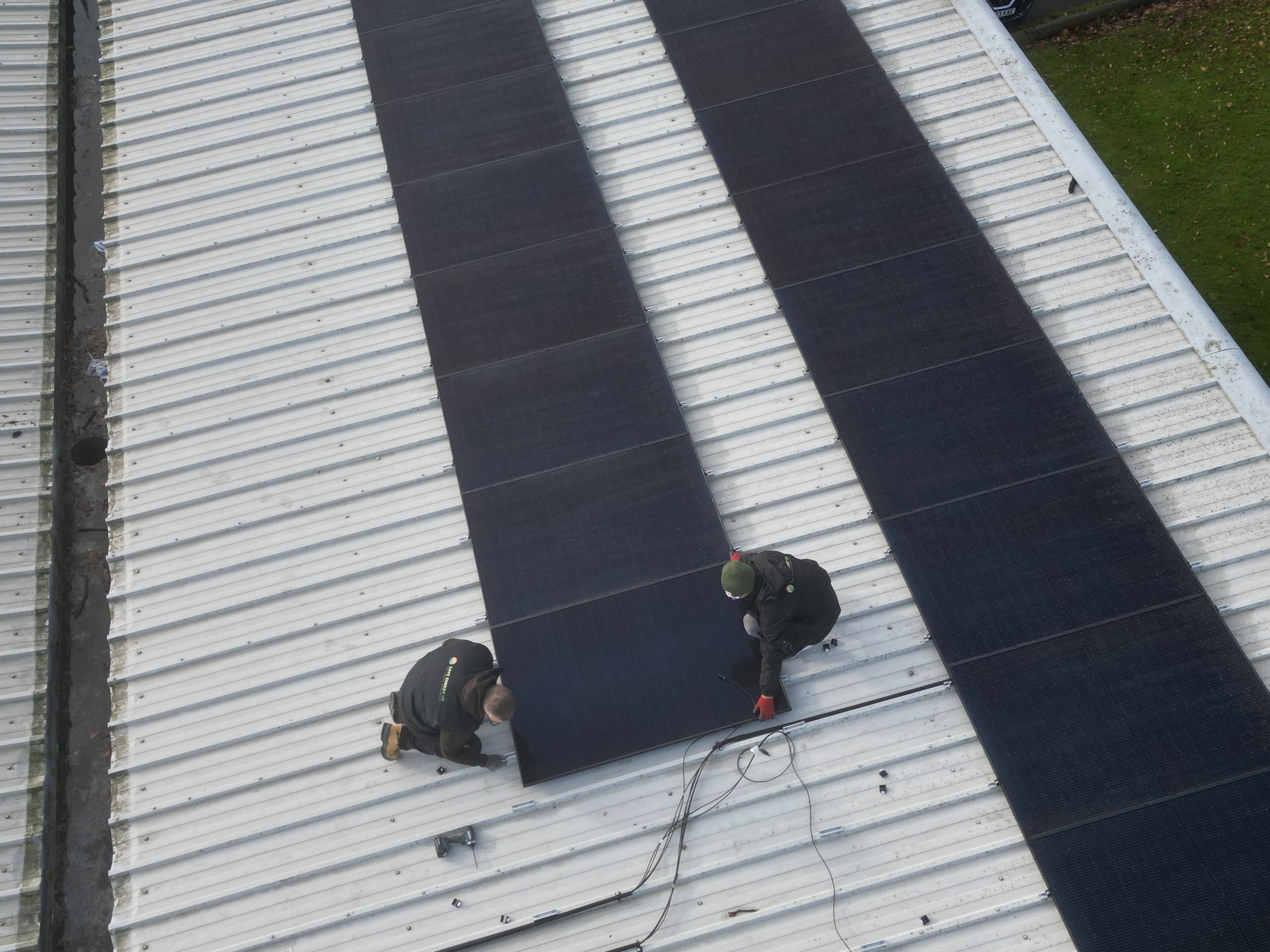
Domestic solar installation is becoming increasingly popular in the UK. Homeowners are recognising the benefits of producing their own energy, from significant savings to reducing their carbon footprint. The process of solar panels UK installation has also become more streamlined and accessible, thanks to experienced solar power installers who can guide homeowners through the entire process.

Opting for Local Expertise

If you’re based in the south of England, finding local expertise is crucial. For instance, those in Dorset might look for solar panels Christchurch specialists to ensure a seamless installation process tailored to local conditions.

Commercial Installation and Save Energy UK Van

Maintenance Tips for Winter

While installing solar panels UK-wide has become more common, maintaining them, especially in winter, is crucial. Here are some tips to consider:

  • Regularly Inspect: Check for debris, snow, or ice. While panels are designed to withstand the weight of snow, clearing them ensures they receive maximum sunlight.
  • Angle Adjustment: The winter sun sits lower in the sky. Adjusting the angle of your panels can help in capturing more light.
  • Monitor System Performance: Using monitoring tools, keep an eye on your system’s performance to detect any anomalies.
solar panels on flat roof in front of house

Conclusion

In conclusion, preparing your solar panels for winter is an essential step for any homeowner or business in the UK. From understanding the efficiency of panels during the colder months to investing in solar panel battery storage, ensuring uninterrupted energy supply is crucial. Whether you’re considering domestic solar installation or seeking commercial solutions, the UK market is equipped with a plethora of options tailored to your needs.

Remember, winter doesn’t mean the end of solar energy production; it just requires a little more preparation! So, embrace the power of the sun, even during the UK’s coldest months, and ensure your panels are winter-ready.

Renewable Energy Reaches Unprecedented Levels

In Europe, the third quarter saw a historic surge in renewable energy production, with wind and solar energy leading the charge, as revealed in a recent report.

European Renewable Energy Achieves Record High in Q3, EnAppSys Report Reveals

Europe’s renewable energy generation soared to an all-time high in the third quarter, as indicated by a detailed analysis from energy data specialist, EnAppSys.

The study, which focused on the European electricity market trends from July 1 to September 30, showed that renewable energy output during this timeframe rose by 12% in comparison to Q3 2022. A remarkable surge in wind power, reaching 95TWh — up from 84TWh in the same period the prior year — was a key contributor.

Interestingly, the report underscored a consistent dip in wholesale prices. This was predominantly influenced by a combination of reduced gas costs, abundant wind energy, and a decrease in electricity consumption. There were instances of negative pricing, particularly earlier in the quarter.

While electricity prices maintained relative stability from July onward, there was a noticeable price hike towards the end of August. This was attributed to a spike in gas prices due to a strike announcement by Australian LNG workers.

Another point of note was the continuing downtrend in Europe’s total power consumption since Q1 2023, which was 7% lower in Q3 2023 compared to the same period in 2022.

Gas-powered generation experienced a significant drop, plummeting 27% to 103TWh, marking its most subdued performance in recent times. Nuclear power saw a modest uptick from Q3 2022, whereas coal and lignite generation took a substantial hit, dropping roughly 38% relative to the same timeframe.