Over 20 years as your solar system specialists
"We pride ourselves on good products, good pricing and good backup service"
Tel: 01202 986262
Supporting  

What is the Lifespan of a Tesla Solar Panel?

Why Understanding the Lifespan of Tesla Solar Panels Matters

When you’re thinking about switching to solar, one of the first things that comes to mind is how long the system will actually last. After all, solar panels are a big investment, so it makes sense to know whether they’ll continue providing you with clean, cost-effective energy for years to come. With Tesla solar panels becoming more widely available across the UK — and increasingly popular in places like Bournemouth, Poole, and Christchurch.

Unlike cheap panels that might only last a couple of decades with declining performance, Tesla panels are built to be robust, efficient, and reliable. But how long do they really last, and what does that mean for UK homeowners and businesses looking to make the switch? Let’s explore.

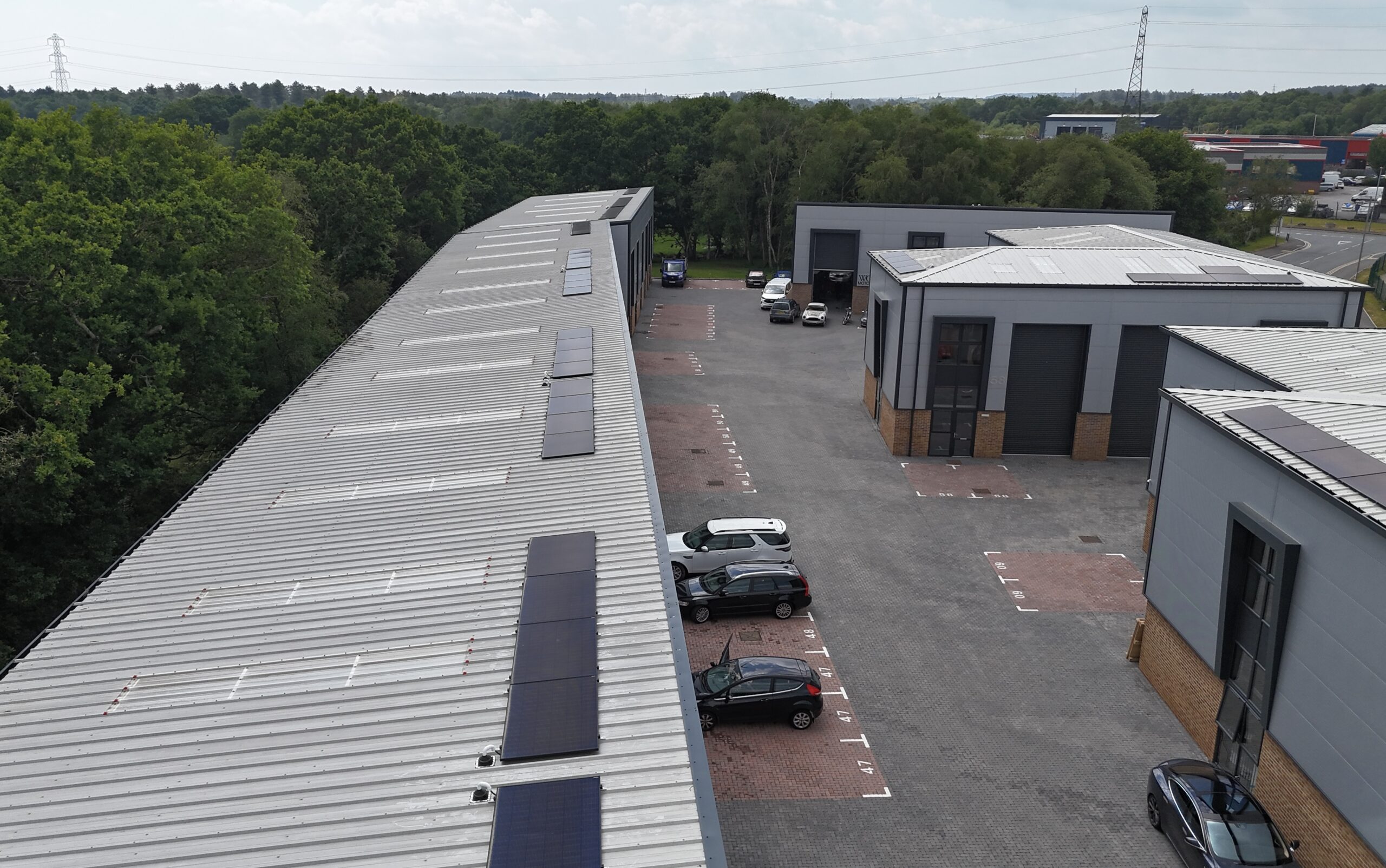
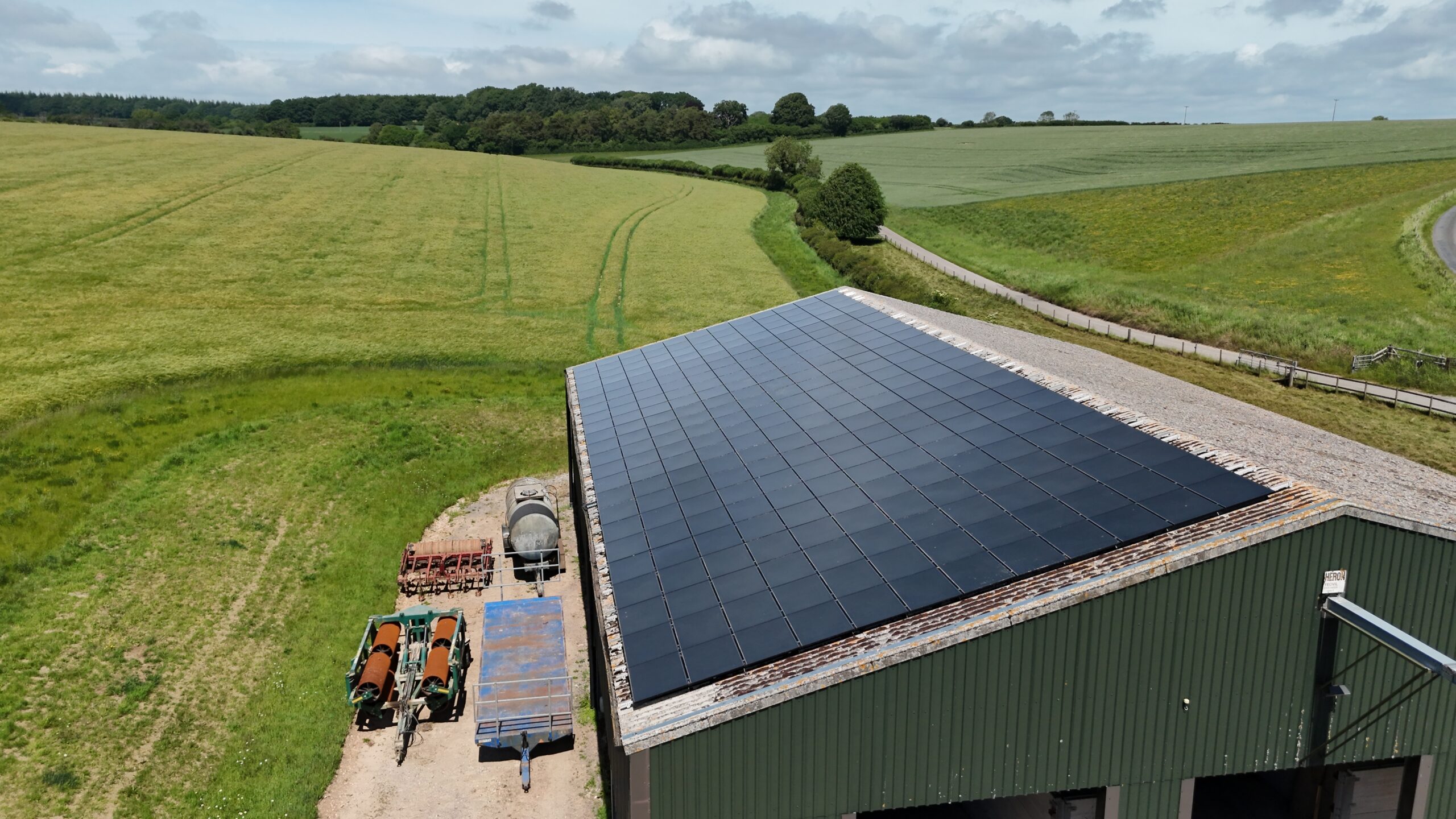
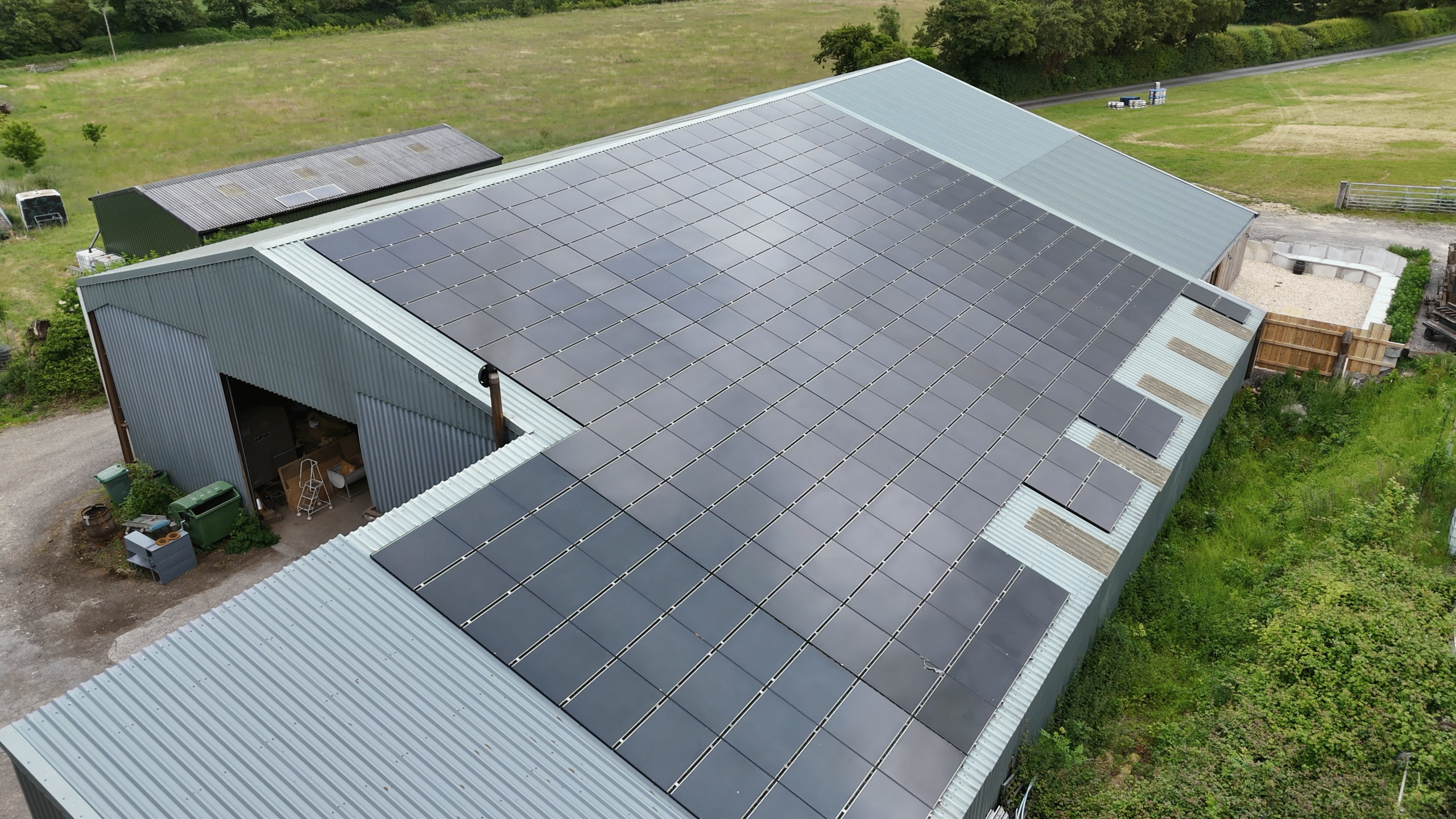
Commercial Solar Installation

Average Lifespan of Tesla Solar Panels

Tesla solar panels are designed with longevity in mind. On average, you can expect them to last 25 to 30 years while maintaining a high level of performance. This means that for the better part of three decades, your panels will be generating electricity for your home or business.

Tesla backs this up with a 25-year performance warranty, which guarantees that even after two and a half decades, the panels will still be producing at least 80% of their original output. That’s a reassuring promise, especially when you’re investing in a renewable energy system that’s meant to save you money in the long run.

When compared with standard solar panels, which often degrade more quickly, Tesla’s technology really shines. Their panels are sleek, efficient, and built with advanced photovoltaic cells that resist wear and tear better than many alternatives. For both homeowners and businesses, this lifespan translates into decades of reduced energy bills, lower reliance on the National Grid, and a healthier environment.

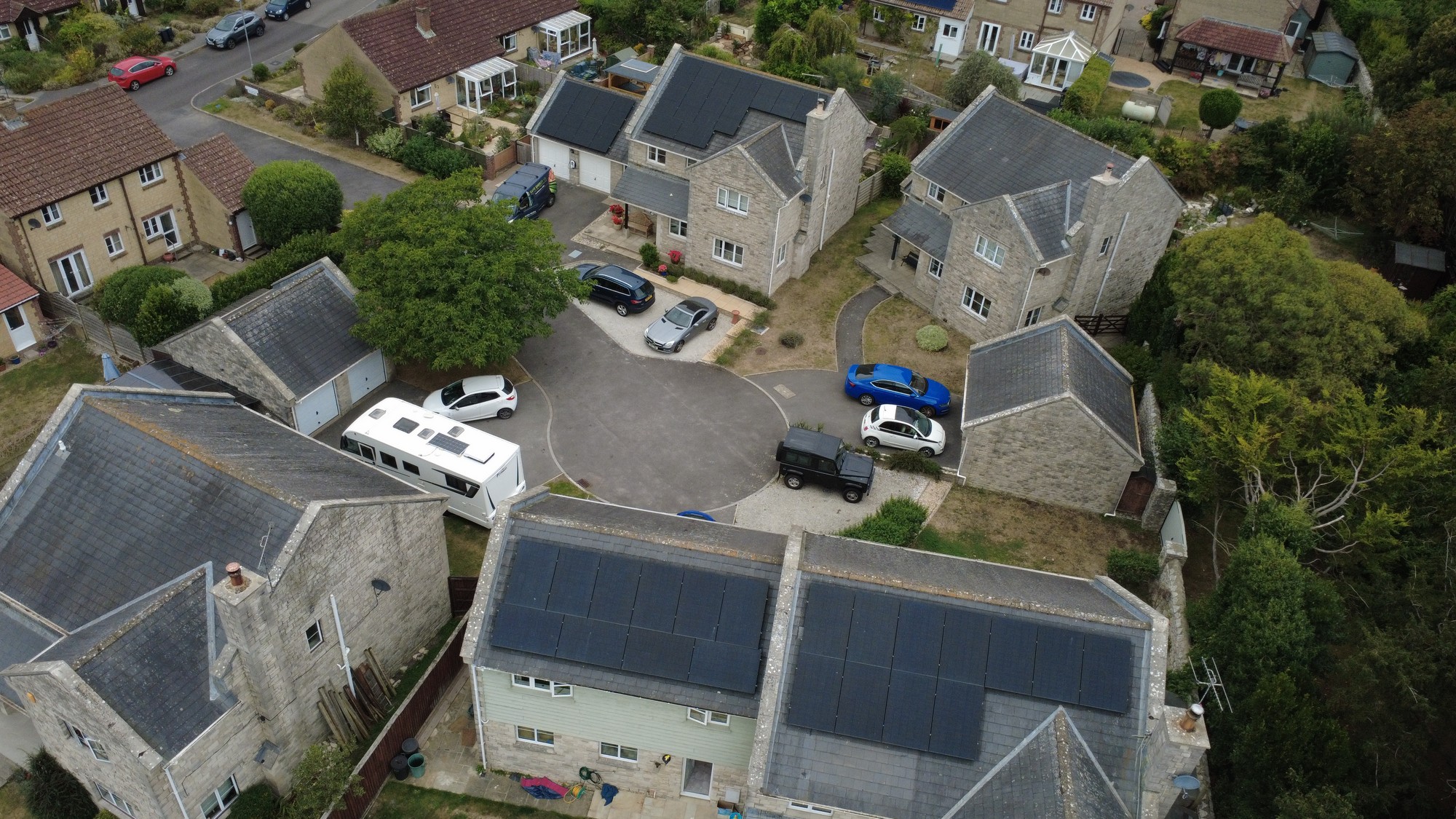
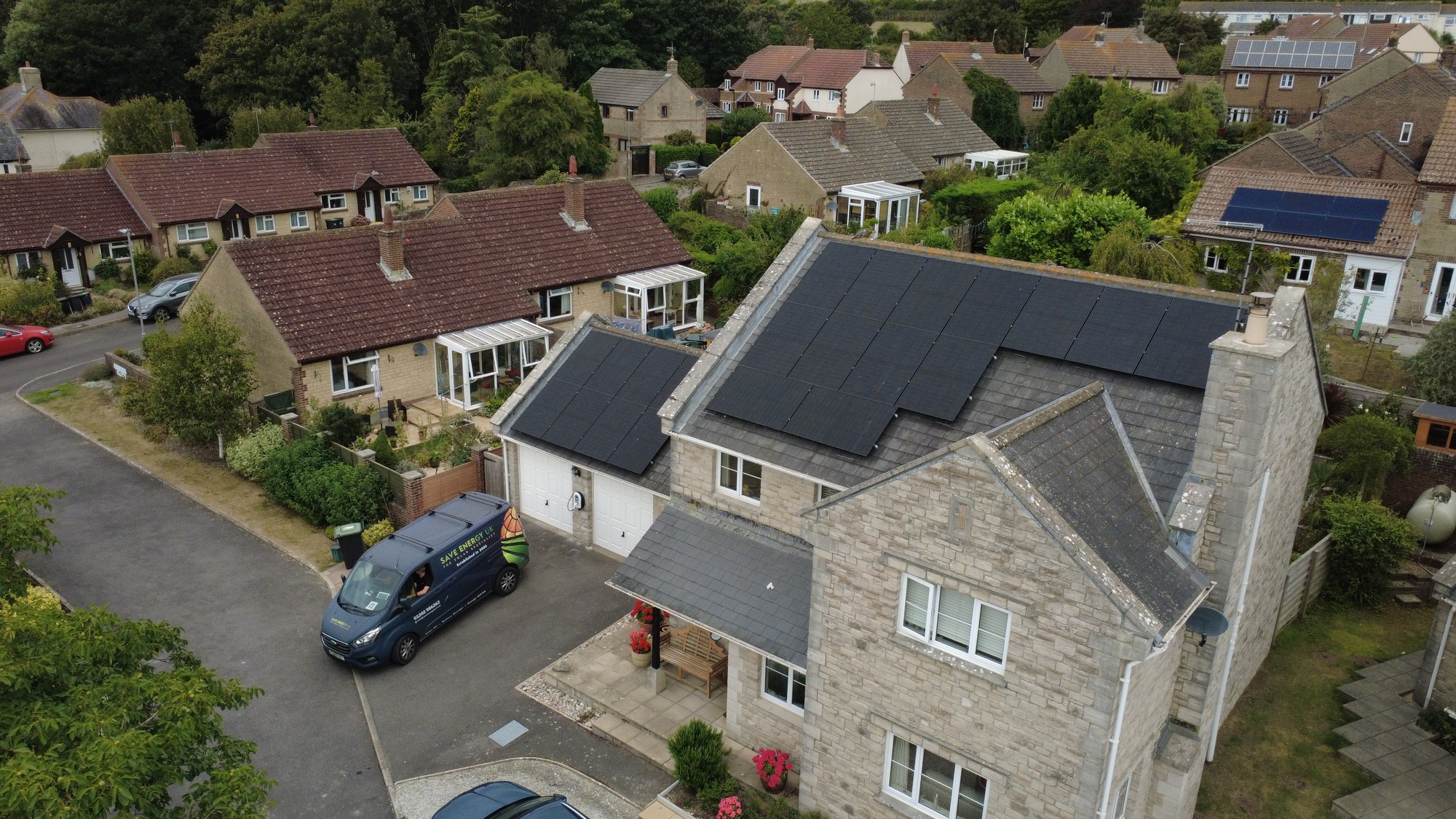
residential solar installation dorset

Factors That Affect Longevity

Of course, no two solar systems are exactly the same, and a few factors can affect how long your Tesla solar panels last in practice:

  • Climate – Living on the South Coast means dealing with a wide variety of weather conditions. Luckily, Tesla panels are designed with durability in mind. They’re tested against strong winds, hail, and heavy rain, making them well-suited to the UK climate.

  • Maintenance – While solar panels require very little upkeep, basic maintenance helps prolong their life. A yearly check to ensure they’re clean and free from moss, leaves, or bird droppings will keep them working efficiently. Businesses with larger systems may also benefit from professional inspections to ensure every panel is operating at its best.

  • Technology – Tesla’s use of high-quality photovoltaic cells means the rate of degradation (the gradual loss of efficiency) is very low compared to some cheaper panels. Whereas lower-grade panels might lose power at a rate of 1% per year, Tesla panels degrade at about 0.5% annually, meaning they continue producing strong energy outputs for far longer.

By factoring in climate, simple care routines, and cutting-edge technology, you can be confident that your Tesla panels will continue to pay off for decades.

How Tesla Panels Compare to Others

It’s no secret that Tesla has a reputation for innovation — and their solar panels are no exception. Most traditional solar panels on the market today last between 20 and 25 years. While that’s still a good return on investment, Tesla panels go further, with warranties that give you peace of mind for at least 25 years and realistic lifespans stretching to 30 years or more.

But Tesla isn’t the only option worth considering. Other premium brands, such as Qcells, also produce panels that perform exceptionally well in the UK climate. Pairing a Tesla solar system with a Qcell battery or even Tesla’s own Powerwall ensures you’re making the most of every unit of electricity generated.

For homeowners, this means reduced reliance on grid electricity and consistently lower energy bills. For businesses, it means long-term cost savings, predictable energy costs, and a more sustainable reputation with customers and clients.

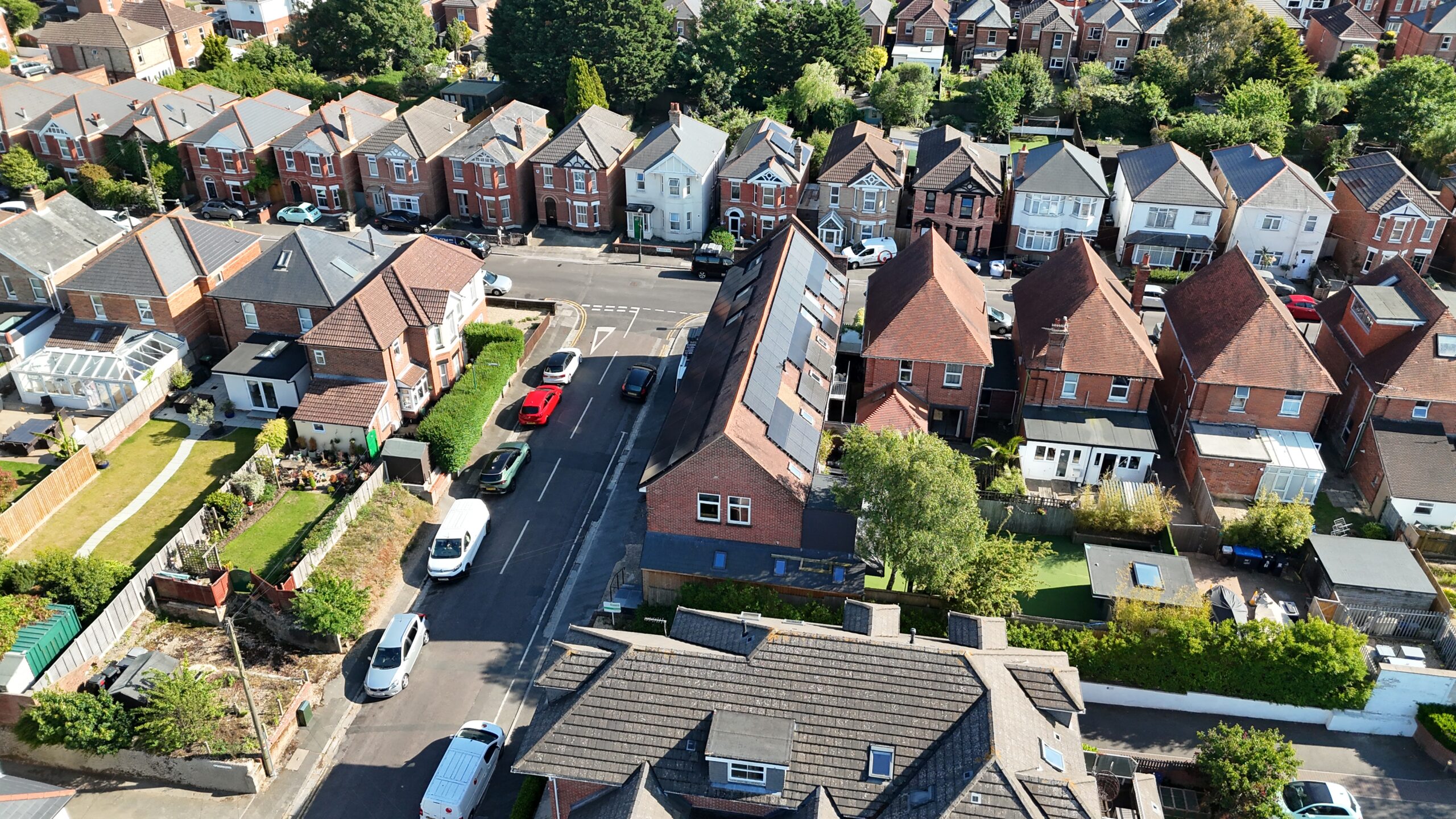
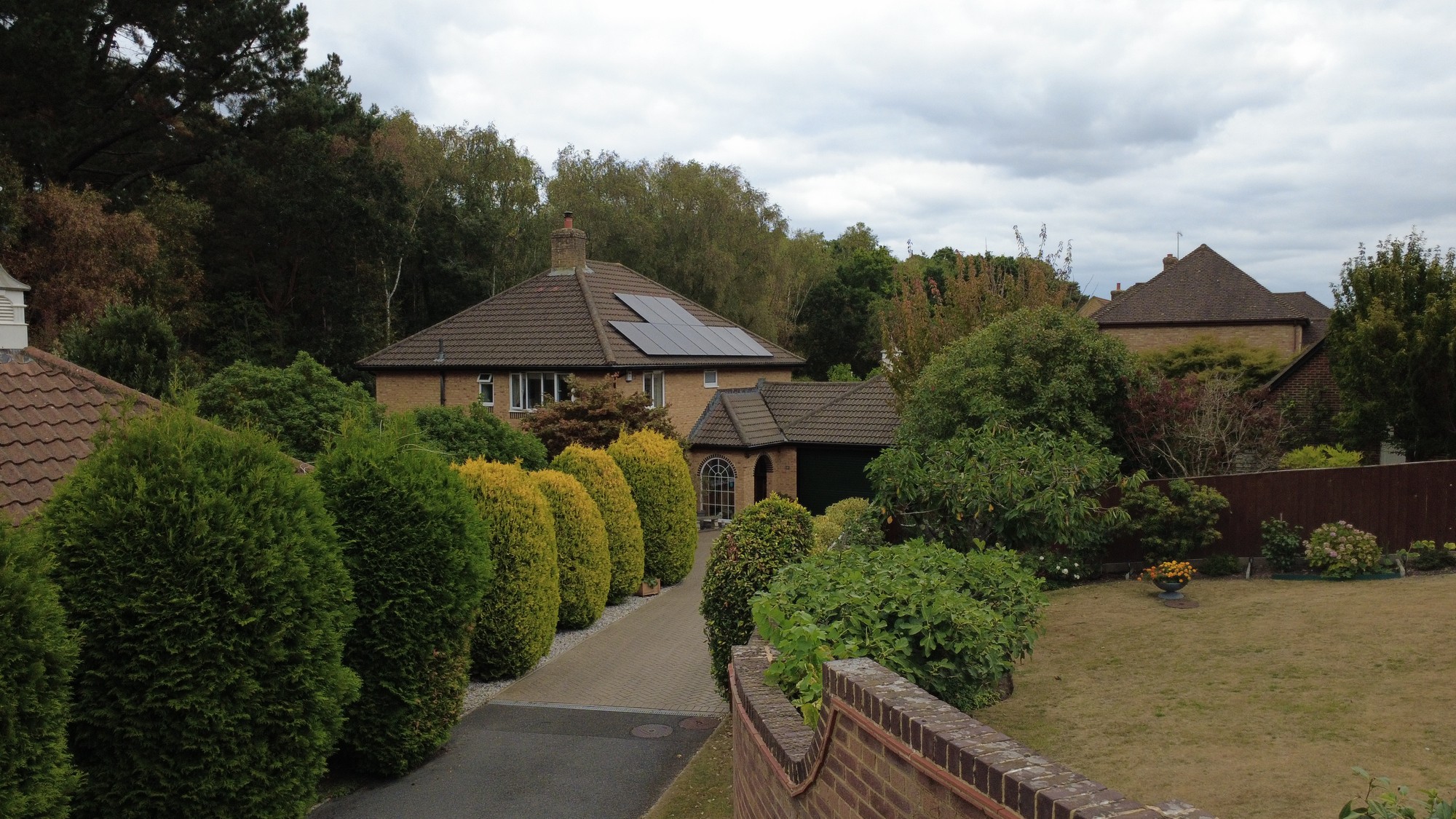
solar panels on home

Warranties and Peace of Mind

One of the strongest selling points of Tesla solar panels is their warranty package. A 25-year performance warranty guarantees that even after decades of use, your panels will still be operating at around 80% efficiency. This gives homeowners and businesses real confidence in the reliability of their system.

On top of that, Tesla provides a product warranty covering panel defects and potential failures. With this dual protection in place, you don’t just get a premium product — you also get peace of mind that any unexpected issues will be addressed without unexpected costs.

This level of assurance is particularly valuable in the UK market, where solar is often viewed as a long-term investment. By choosing Tesla, you’re not just buying panels — you’re buying decades of guaranteed performance backed by one of the world’s leading technology companies.

Cost-Effectiveness Over Time

While Tesla solar panels do come with a higher upfront cost compared to some alternatives, their long-term value makes them a smart financial decision. Thanks to their extended lifespan and slow degradation rate, you’re effectively securing 30 years of clean, reliable energy.

For homeowners, this translates into thousands of pounds saved on electricity bills over the panels’ lifetime. For businesses, the savings are even greater, as commercial properties typically have much higher energy demands. When combined with battery storage, Tesla solar systems can drastically reduce — or even eliminate — peak-time electricity costs.

And with UK energy prices continuing to fluctuate, the security of generating your own power can’t be overstated. Over time, Tesla solar panels not only pay for themselves but also deliver returns that extend well beyond the initial investment.

solar panel installation poole

UK Government Schemes and Incentives

Another big reason to consider Tesla solar panels in the UK is the range of government schemes that make renewable energy even more attractive:

  • Smart Export Guarantee (SEG) – This scheme allows you to earn money by exporting surplus electricity back to the grid. With Tesla panels producing high volumes of power, this can be a significant financial benefit.

  • Zero VAT on Solar Installations – Home solar panel installations currently benefit from 0% VAT until 2027, reducing the cost of going solar and making it more affordable for families and property owners across the South Coast.

  • Business Incentives – For companies, the advantages go even further. Many businesses can offset the cost of solar installations through capital allowances and enjoy ongoing savings on energy bills, making commercial solar systems a smart investment in both financial and environmental terms.

When you combine Tesla’s premium technology with these government incentives, the case for solar becomes even stronger — whether you’re a homeowner in Christchurch or a business in Poole.

FAQs

Do Tesla solar panels degrade over time?
Yes, like all panels, Tesla solar panels do degrade gradually. However, their degradation rate is only 0.5% per year, which is significantly lower than many cheaper panels. This means that after 25 years, they’ll still be producing around 80% of their original output, keeping your energy bills low and predictable.

Are Tesla solar panels worth it in the UK?
Absolutely. The UK may not be the sunniest country, but modern panels, especially Tesla’s, work efficiently even on cloudy days. With strong government incentives, long lifespans, and premium warranties, they’re a worthwhile investment for any household or business.

How does Tesla compare to other solar brands?
Tesla solar panels are among the most reliable and long-lasting on the market. Brands like Qcells are also excellent alternatives, and combining with a Tesla Powerwall ensures you maximise your energy independence.

Solar battery installation

Why Choose Save Energy UK?

At Save Energy UK, we specialise in delivering cutting-edge solar solutions tailored to the needs of South Coast homeowners .

If you’re interested in Tesla solar panels, our team has the expertise to guide you every step of the way.

  • We provide professional installation of Tesla solar panels and Qcell battery storage systems.

  • We’ll help you make the most of UK government incentives like the Smart Export Guarantee and 0% VAT.

  • Our friendly, approachable team is based locally, meaning we understand the unique needs of homeowners and businesses in Bournemouth.

By choosing Save Energy UK, you’re not only investing in renewable energy but also in a company committed to helping you reduce your carbon footprint.

solar project

Ready to Future-Proof Your Energy?

If you’re considering exploring commercial solar for your business, now is the perfect time to take action. With long-lasting performance, excellent warranties, and government-backed incentives, solar has never been a smarter investment.

Contact Save Energy UK today for expert advice, tailored system designs, and professional installation across the South Coast. Let us help you make the switch to a cleaner, greener future.

What Is the Solar 120% Rule?

A UK Guide for Dorset and Surrounding Areas

If you’ve been researching solar power — whether it’s for a home in Bournemouth, a shop in Poole, or a commercial solar project in Christchurch — you may have come across the term “120% rule.”

This rule is part of the United States’ National Electrical Code (NEC), not UK legislation, but the underlying idea is worth knowing about. Even here in Dorset, where we follow different electrical regulations, understanding this concept can help you make informed decisions about your solar installation and avoid costly surprises.

What Exactly Is the 120% Rule?

In the US, the 120% rule governs how much solar power you can safely feed into your home’s breaker panel (what we call a consumer unit in the UK) without exceeding its design limits.

It’s based on the busbar — the solid metal strip inside your panel that carries electricity to the breakers. The formula looks like this:

  • Busbar rating: The maximum current the internal connections in your consumer unit can handle.

  • Main breaker rating: The maximum current your home can draw from the grid.

The “× 1.2” part is where the “120%” comes from — it’s an allowance for solar systems to add some extra capacity without upgrading the panel, as long as it’s within safe limits.

solar panel installation

Why This Still Matters in the UK

We don’t have the 120% rule written into our standards here. Instead, UK installations must comply with the IET Wiring Regulations (BS 7671) and local Distribution Network Operator (DNO) requirements.

However, the principle behind the 120% rule — making sure your electrical system is not overloaded — still applies. In practice, this means:

  • Checking your consumer unit’s capacity before installing solar panels.

  • Ensuring the circuit protection is adequate for both your grid supply and your solar feed-in.

  • Following guidelines for safe backfeeding and system integration.

For many homes in Dorset, especially older properties, the consumer unit may need upgrading before larger systems like Tesla solar panels or a Qcell battery can be installed.

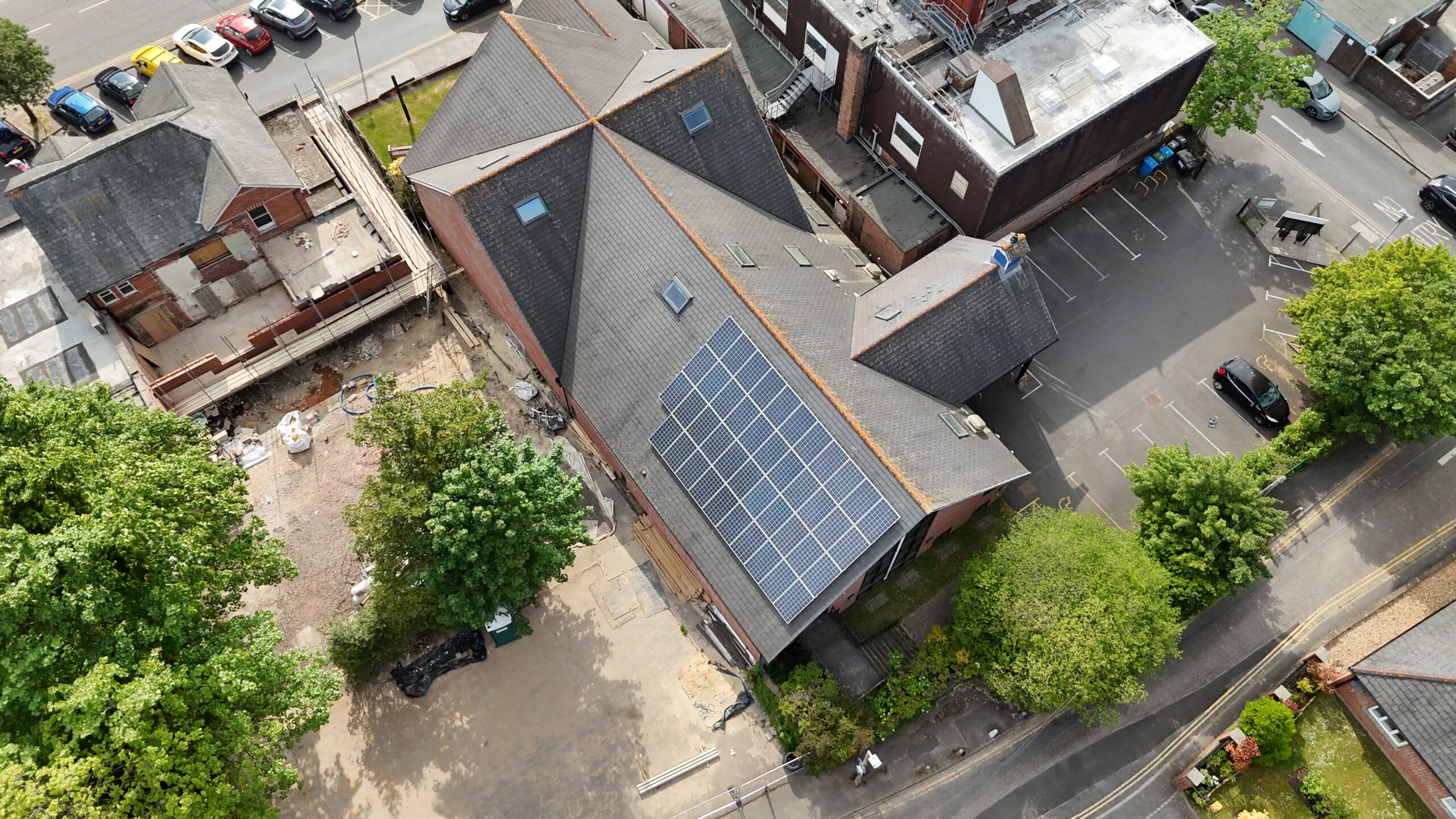
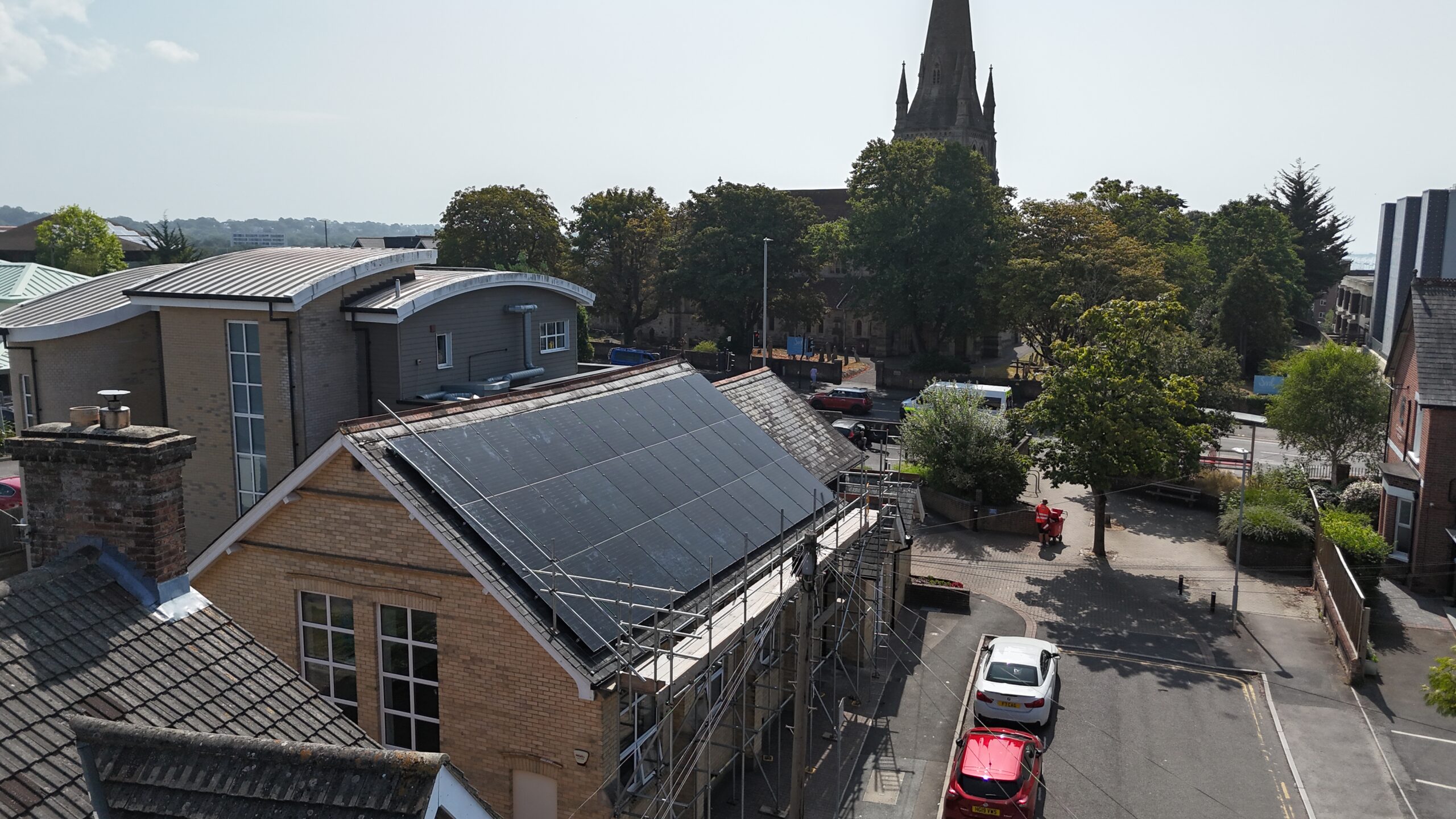
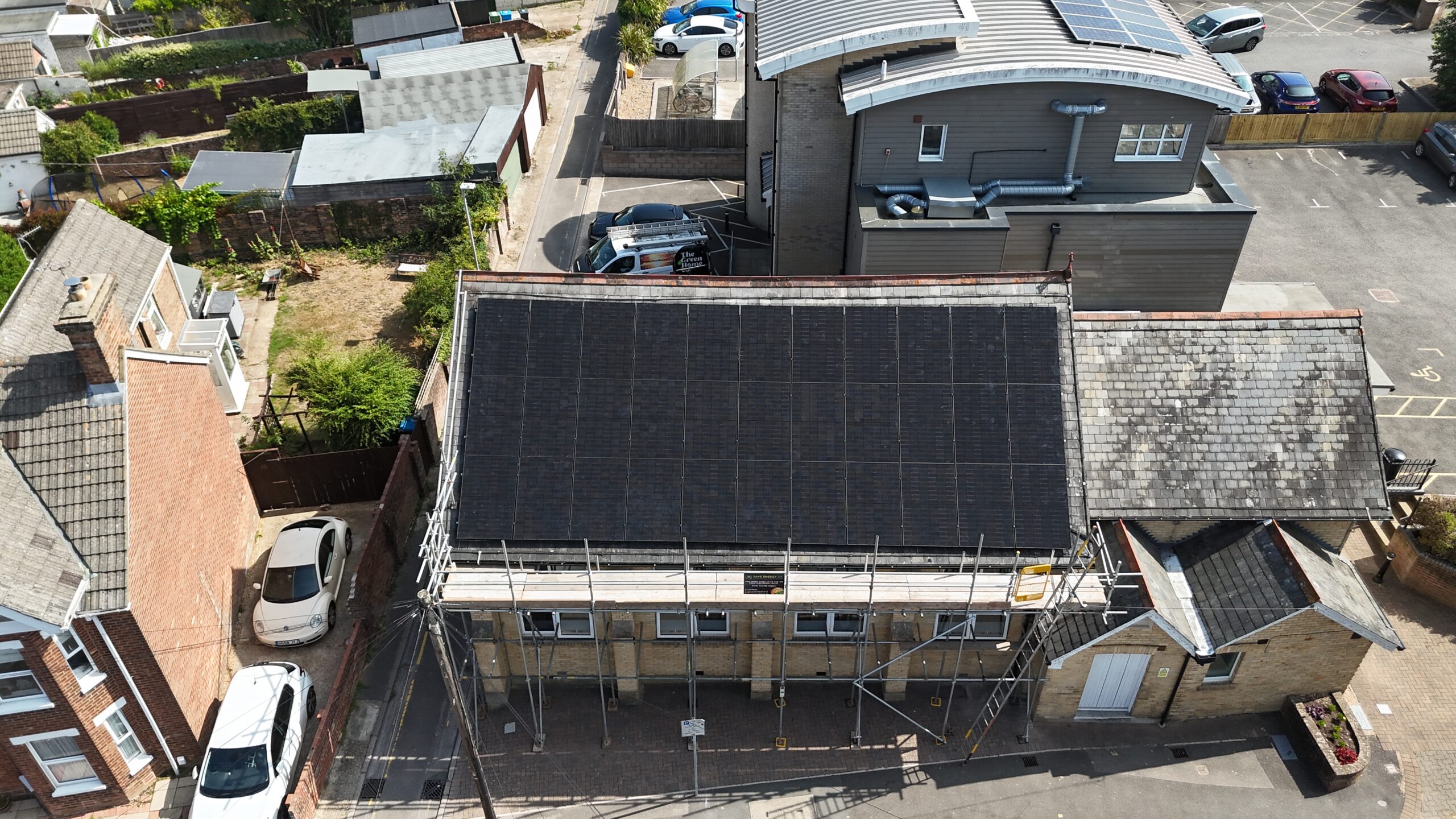
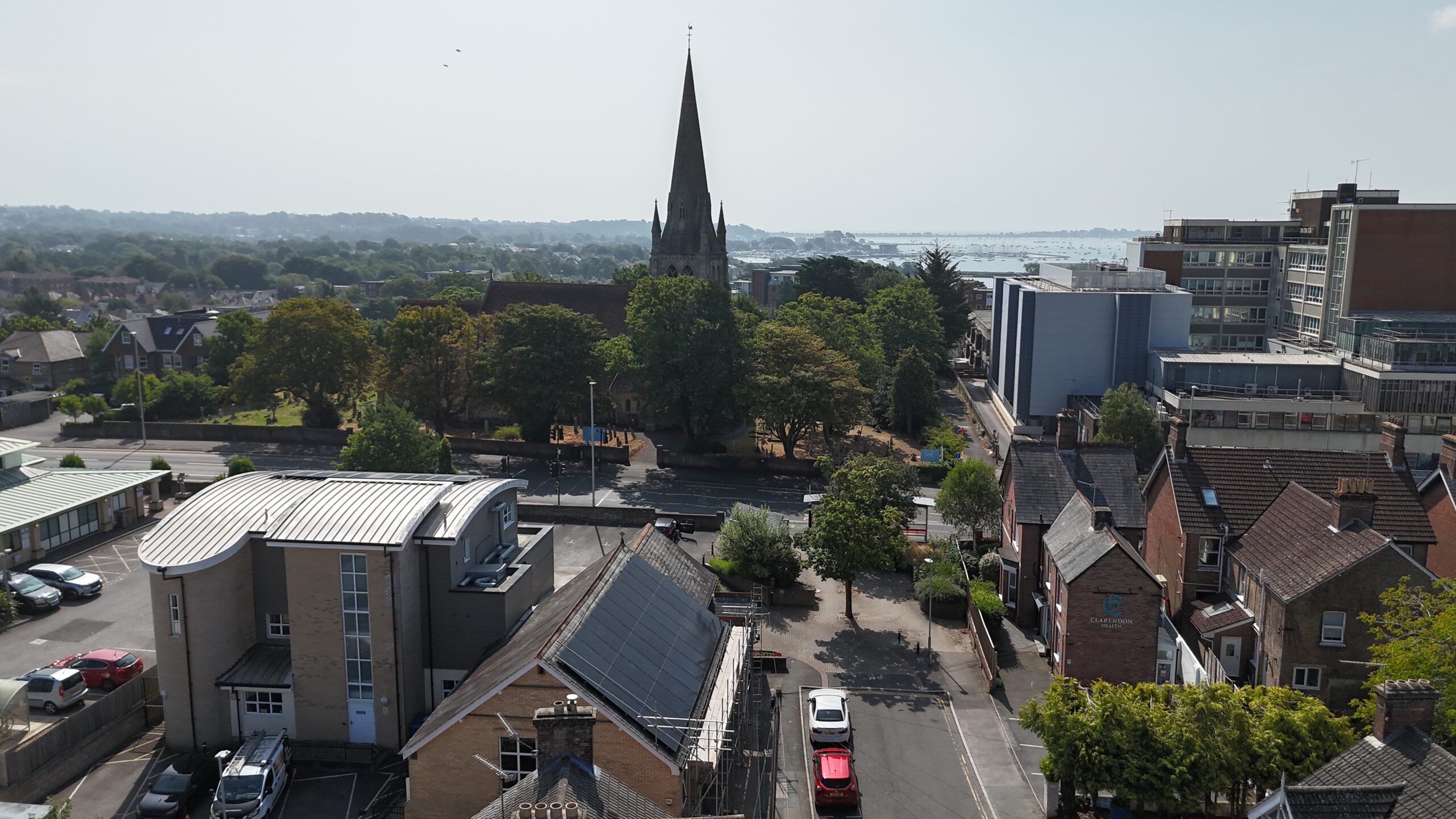
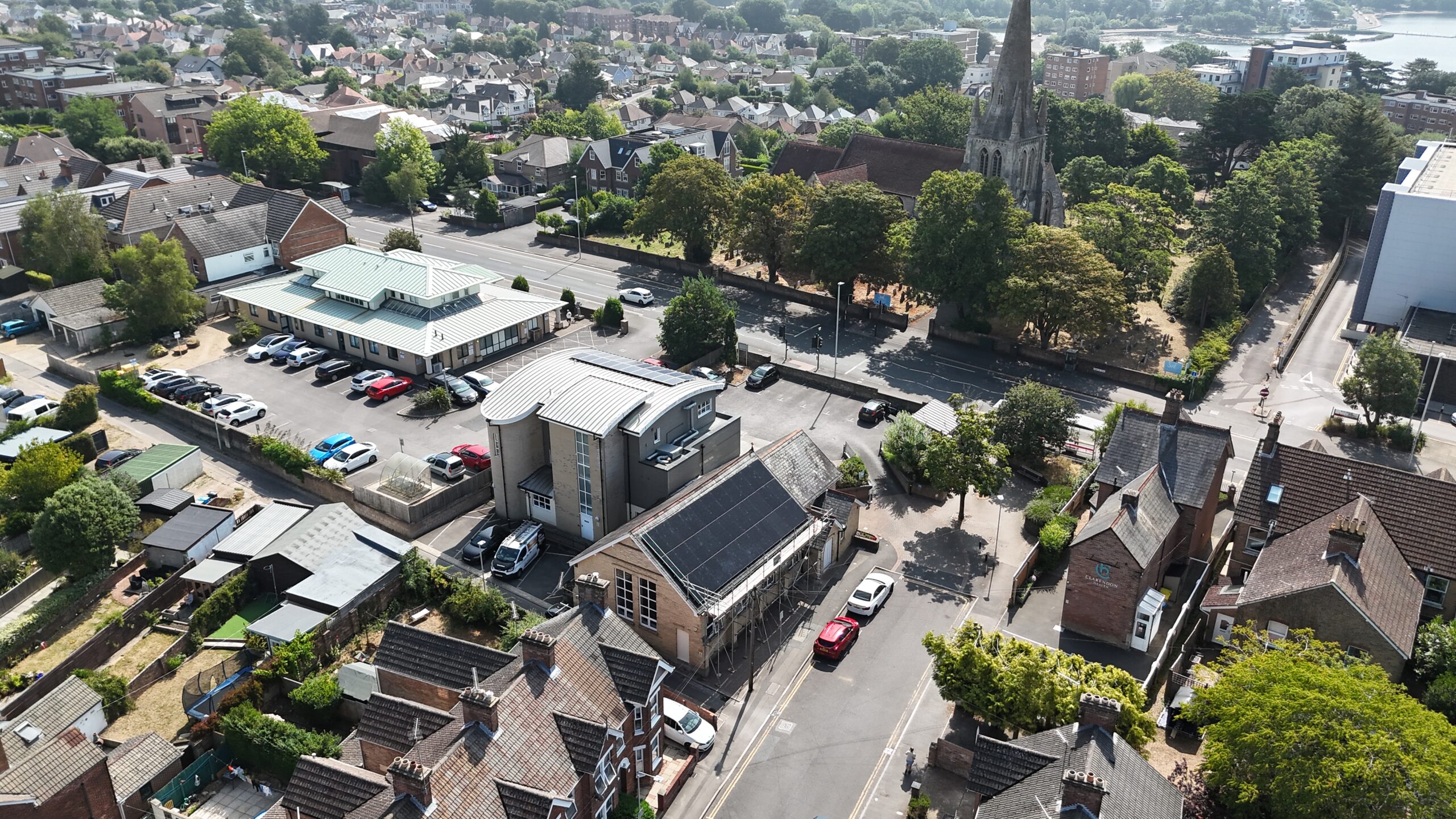
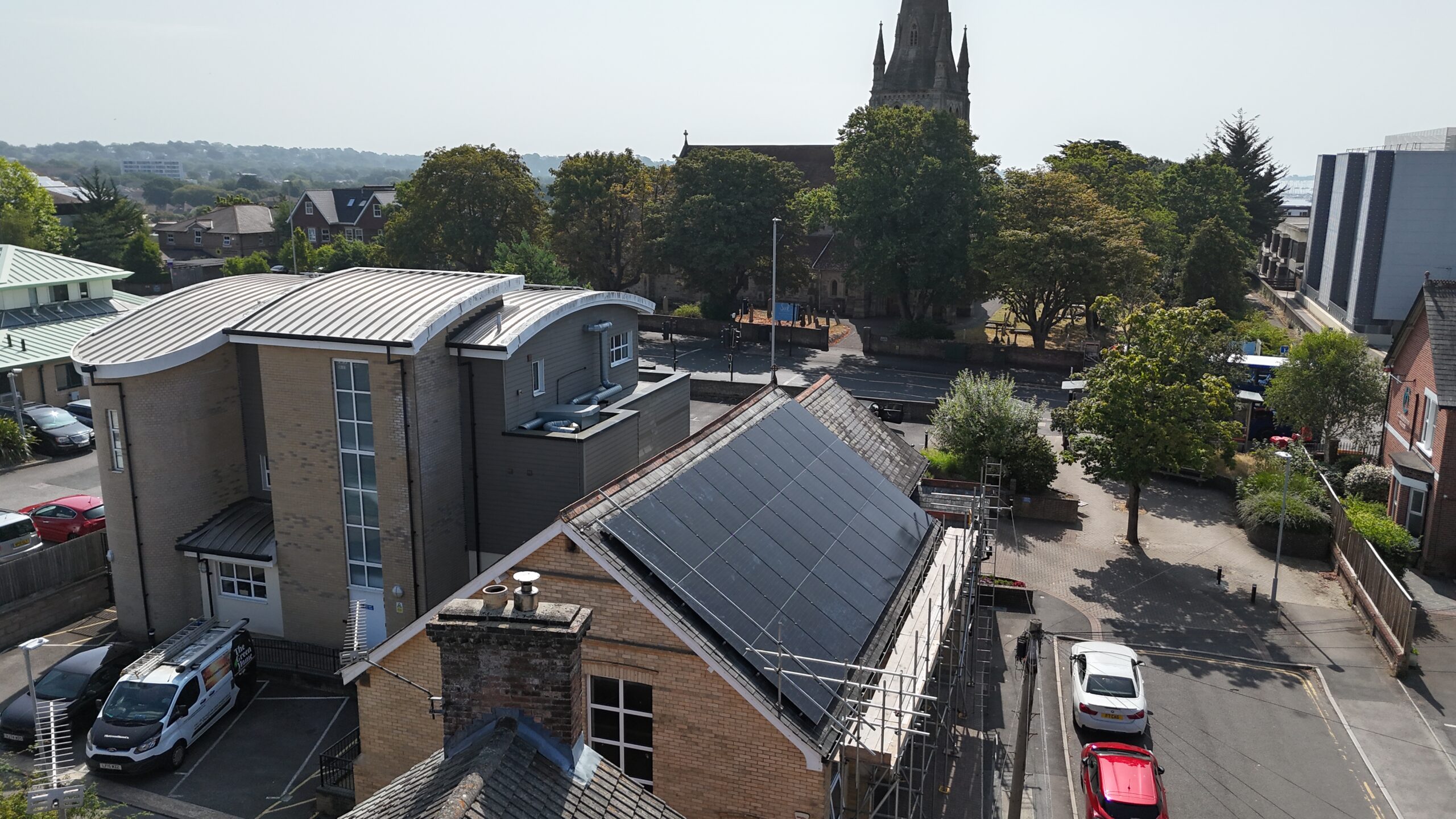
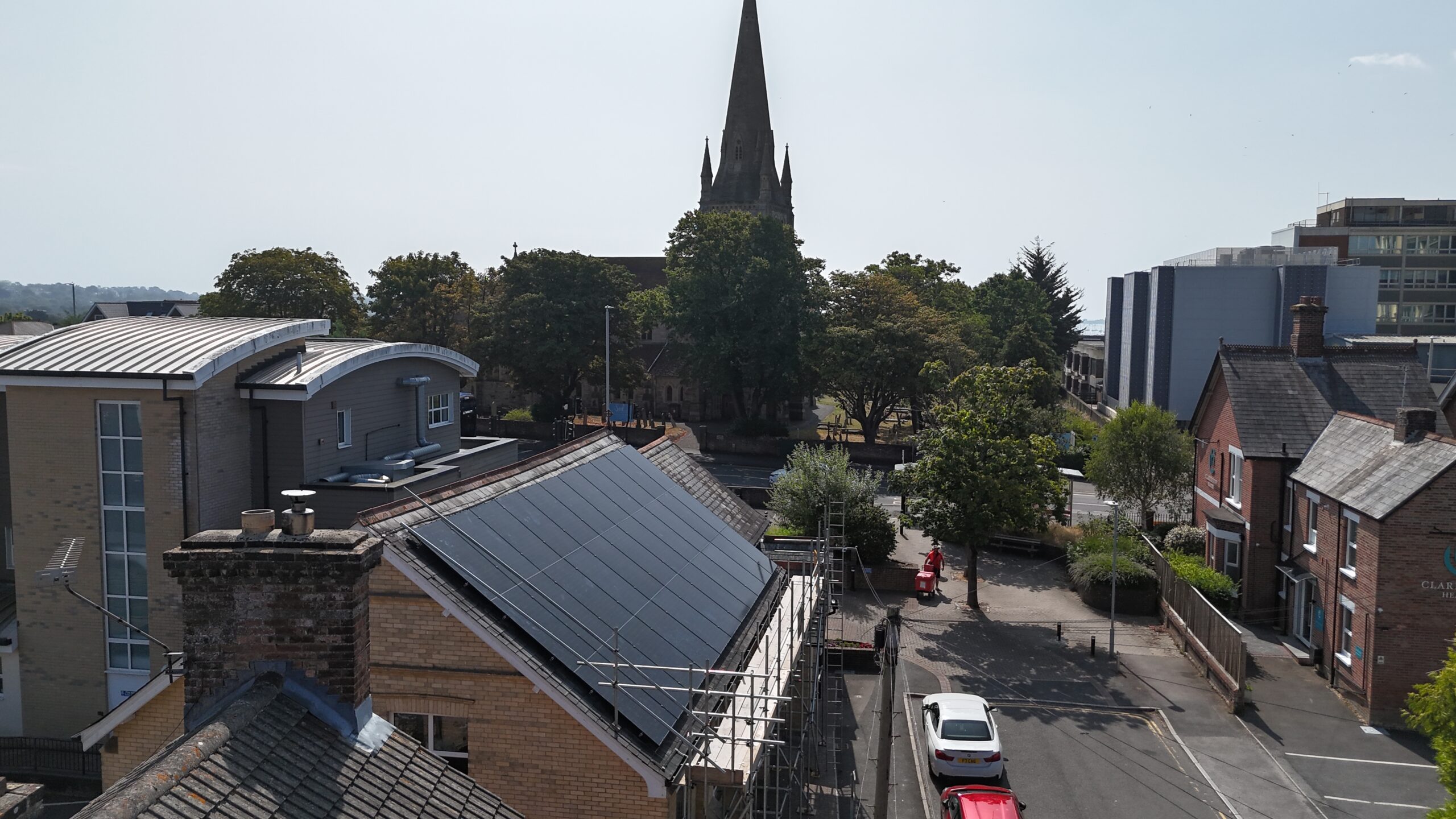
st marys church solar panels

A Local Example in Dorset

Let’s imagine you live in Bournemouth with a consumer unit that has a 100A busbar and a 100A main breaker.

  • Under the US NEC rule:
    100A × 1.2 = 120A total allowable current
    120A − 100A (main breaker) = 20A available for solar backfeed

That 20A limit might mean you can only install a system of a certain size without changing your consumer unit.

In the UK, your installer won’t calculate it in quite the same way, but they will run similar capacity checks. If you’re in Poole looking to add a commercial solar array, they’ll assess whether your existing setup can safely handle the extra generation — especially if you plan to store excess energy in a battery system.

The Impact on System Size and Design

One of the main reasons to be aware of capacity limits is that they can affect:

  • The number of panels you can install

  • The size of your inverter

  • Whether you can easily add battery storage later (e.g., a Qcell battery)

  • How much of your roof space can realistically be used

For example, you might want to cover your whole roof with solar panels in Christchurch, but if your consumer unit can’t handle the full capacity, your installer may suggest either limiting the system size or upgrading your electrical infrastructure.

solar battery installation in dorset

Solutions If You Hit the Limit

If you find your electrical panel is the bottleneck, there are a few potential solutions your installer might suggest:

  1. Upgrade your consumer unit — Increasing the busbar rating allows for a larger safe load.

  2. Use a smaller main breaker — This can sometimes free up capacity for solar backfeed, but it must be done carefully to avoid restricting your home’s power.

  3. Install a dedicated solar distribution board — Keeps the solar system separate from the main consumer unit.

  4. Consider load-side connections — An alternative wiring approach that may bypass the main breaker limit, if allowed by your DNO.

Why It’s Relevant for Dorset Homeowners and Businesses

The Dorset area is seeing a big increase in solar adoption, both for domestic and commercial use. Towns like Bournemouth and Poole have plenty of properties that are ideal for solar, but many also have older electrical systems that may not be ready for a high-capacity installation.

By understanding the principle behind the 120% rule, you can:

  • Ask better questions when getting quotes from solar companies near me.

  • Plan for upgrades if you want to future-proof your system.

  • Avoid disappointment if your installer says your system can’t be as large as you hoped without extra work.

south coast festival christchuch

Common Myths About the 120% Rule

  1. “It applies in the UK just like in the US.” – It doesn’t; we use different regulations, but the safety logic is similar.

  2. “Any installer can work around it.” – Not true; limits exist for safety reasons.

  3. “If my roof can fit the panels, my system can handle them.” – The electrical side can be just as limiting as physical space.

FAQ: The solar 120% Rule in a UK Context

Q: Does this rule apply to Dorset solar panel installations?
A: Not officially, but your installer will follow similar principles to keep your system safe.

Q: What if I’m installing Tesla solar panels and a Qcell battery?
A: Your installer will check your system capacity and may suggest a consumer unit upgrade.

Q: Can I avoid these limits by installing off-grid?
A: Technically yes, but most homes want grid connection for reliability, which means following all safety rules.

solar panel installation in dorset

Final Thoughts

The solar 120% rule might be a US regulation, but its concept — making sure you don’t overload your electrical system — is vital everywhere.

If you’re considering solar panels in Bournemouth, Poole, or Christchurch, understanding how system capacity works will help you make better decisions and avoid unexpected upgrade costs. Whether it’s a modest home array or a commercial solar project with battery storage, capacity limits are just as important as panel efficiency or sunlight hours.

By working with a reputable local installer, you can ensure your system is designed not only to generate maximum clean energy but also to work seamlessly — and safely — with your home or business’s electrical system.

A Weekend of Wine, Sunshine & Solar

Our Time at the South Coast Wine Festival 2025

From 8th–10th August 2025, wine lovers and foodies flocked to the stunning Highcliffe Castle for the South Coast Wine Festival. Following the success of previous years, this year’s event was bigger than ever — and we were thrilled to be part of it.

With perfect summer weather, a picturesque coastal setting, and an unbeatable lineup of wines, masterclasses, and live music, the festival was a celebration of flavour, community, and craftsmanship. But for us at Save Energy UK, it was also the perfect chance to show how the sun can be enjoyed in more ways than one.

south coast wine festival

The Festival Experience

The event brought together:

  • World-class wines – From local vineyards to international producers, there was something for every palate.

  • Expert-led masterclasses – Guests learned about grape varieties, food pairings, and wine production from industry experts.

  • Live music & entertainment – Performers kept the atmosphere buzzing all weekend long.

  • The stunning backdrop of Highcliffe Castle – The perfect coastal location to relax, explore, and enjoy.

south coast festival

Our Save Energy UK Stand – Sharing Solar with Festival-Goers

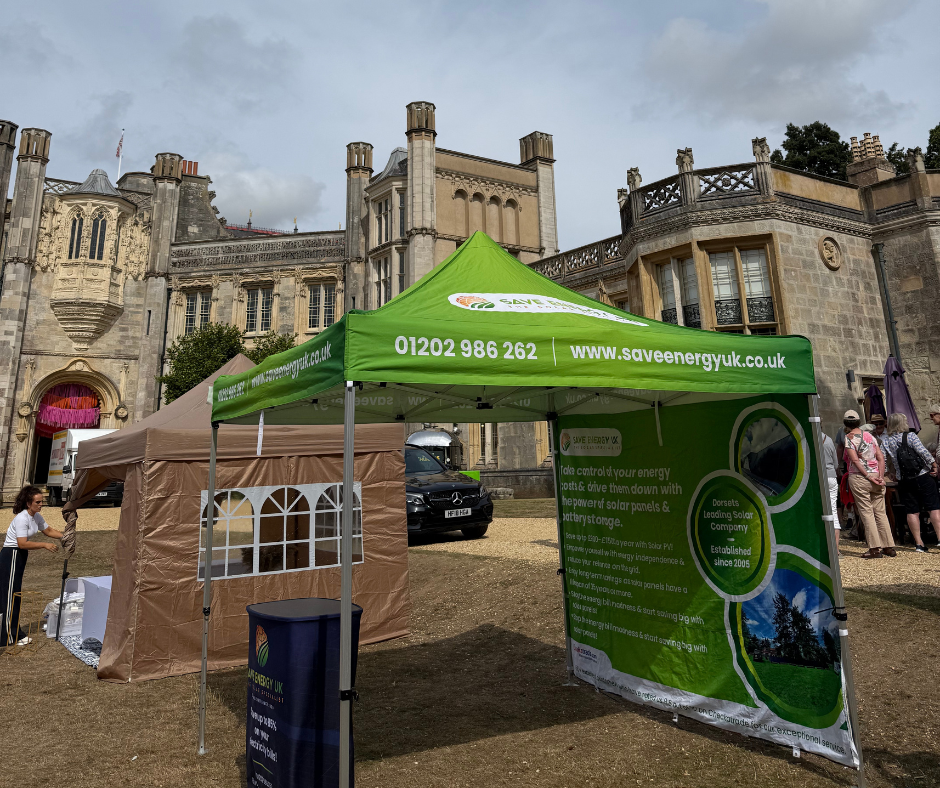
We set up our Save Energy UK tent in the heart of the festival grounds, and over the three days, hundreds of visitors stopped by to learn more about solar power. While many came for the wine, they left with fresh knowledge about how the sun can power their homes, businesses, and even events like the festival itself.

At our stand, we:

  • Showcased a working solar display – Complete with live demonstrations showing how sunlight is converted into clean, renewable energy.

  • Answered questions from curious visitors – From installation costs and potential savings to battery storage options and payback times.

  • Powered parts of our display with solar energy – Giving a real-time example of solar’s effectiveness, even on the UK coast.

We were delighted by the number of conversations we had, and by how many visitors left feeling inspired to make their homes more energy-efficient.

south coast wine festival

A Perfect Match – Wine, Community & Sustainability

For us, attending the South Coast Wine Festival wasn’t just about exhibiting — it was about connecting. Just as wine-making celebrates nature and tradition, solar power embraces innovation and sustainability. We loved being able to show that these worlds complement each other beautifully.

Looking Back on a Fantastic Weekend

The South Coast Wine Festival 2025 was a huge success, both for the organisers and for us at Save Energy UK. We met wonderful people, enjoyed incredible wines, and had the opportunity to spread the word about clean, renewable energy in a relaxed and welcoming setting.
If you missed it this year, we highly recommend keeping an eye on the South Coast Wine Festival for next year’s dates. We might just see you there!

How Long Does It Take for Solar Panels to Pay for Themselves?

Everything Dorset Homeowners Need to Know

If you’ve been thinking about switching to solar energy, you’re probably wondering the same thing most people ask: How long will it take for my solar panels to pay for themselves? The answer isn’t always straightforward, but with energy prices rising and solar technology advancing, it’s a question well worth exploring — especially for homeowners in Bournemouth, Poole, Christchurch, and across Dorset.

In this guide, we’ll walk you through the ins and outs of the solar panel payback period, how it’s calculated, and what factors influence it. We’ll also cover how premium systems like Tesla solar panels and add-ons like the Qcell battery can affect your return on investment. Whether you’re a homeowner or exploring commercial solar for your business, this article will give you a clear and realistic view of what to expect.

solar panel installation in dorset

What Does “Payback Period” Actually Mean?

The payback period refers to the amount of time it takes for the money you save on your electricity bills to equal the amount you spent installing the solar panel system. In simple terms, it’s the point when your investment in solar begins to “pay you back.”

For example, if your solar system costs £6,000 to install and you save £600 a year on energy bills, your payback period would be 10 years. After that, all savings are effectively money in your pocket.

Typical Payback Periods in the UK

For UK homeowners — especially in southern areas like Dorset — the average payback period for residential solar panels is between 8 to 14 years, depending on several key variables. With energy prices higher than ever, we’re seeing more homeowners reaching the breakeven point closer to 8–10 years, especially when pairing their solar array with battery storage or smart energy management.

solar panel installation in bournemouth

Factors That Affect Your Solar Payback Time

1. Installation Cost

The upfront cost of a solar system is the biggest driver of your payback period. While prices have dropped significantly over the past decade, you can still expect to pay:

  • Around £5,500 – £8,500 for a 4kW system (suitable for most homes)

  • More if you include battery storage (such as a Qcell battery) or premium panels like Tesla solar panels

Prices may vary depending on the complexity of the installation and the company you choose. Searching for solar companies near me is a good way to compare quotes and services.

2. Electricity Prices

The more you currently spend on electricity, the more you stand to save by generating your own. With energy costs at record highs in the UK, solar panels are becoming a faster way to cut down household bills. The more your solar system offsets your usage, the shorter your payback time will be.

3. Energy Usage Patterns

Solar panels produce electricity during daylight hours. If you’re at home during the day and using appliances (e.g. working from home, running heat pumps or EV chargers), you’ll benefit more from direct solar usage. If not, excess energy gets exported to the grid — unless you store it using a battery.

4. Battery Storage (e.g. Qcell Battery)

Adding a Qcell battery can significantly improve your return on investment by allowing you to store excess electricity and use it when the sun isn’t shining. This means less reliance on the grid and lower electricity bills.

While batteries add to your initial installation cost, they can reduce your payback period by 1–3 years, depending on your energy habits.

5. Incentives and Export Payments

In the UK, you can sign up to the Smart Export Guarantee (SEG), which pays you for excess energy sent back to the grid. While SEG payments are modest (around 3p to 15p per kWh depending on your provider), they do help shorten the payback timeline.

qcells solar panels

A Quick Example for a Dorset Homeowner

Let’s say you’re based in Bournemouth and install a 4kW system for £6,500.

  • You save around £600 a year on your electricity bills.

  • You earn £100 per year via the SEG for exported energy.

  • Your total yearly benefit is £700.

  • Payback period: £6,500 ÷ £700 = just over 9 years

If you add a battery for £3,000 and optimise your energy usage, your savings might increase to £1,000/year, reducing your payback period to under 10 years — even with the added cost.

Tesla Solar Panels: Worth the Investment?

Tesla solar panels are sleek, durable, and highly efficient — often outperforming standard panels in low-light conditions. They tend to come with a premium price tag, but if you’re after maximum performance and aesthetics, they can be a smart long-term choice.

Because of their higher output and warranty guarantees, Tesla panels can slightly shorten your payback period, particularly when paired with a Tesla Powerwall or compatible battery like the Qcell battery. However, they do make the upfront cost steeper, so it’s essential to run the numbers based on your home’s size and energy usage.

commercial solar panel installation

What About Commercial Solar?

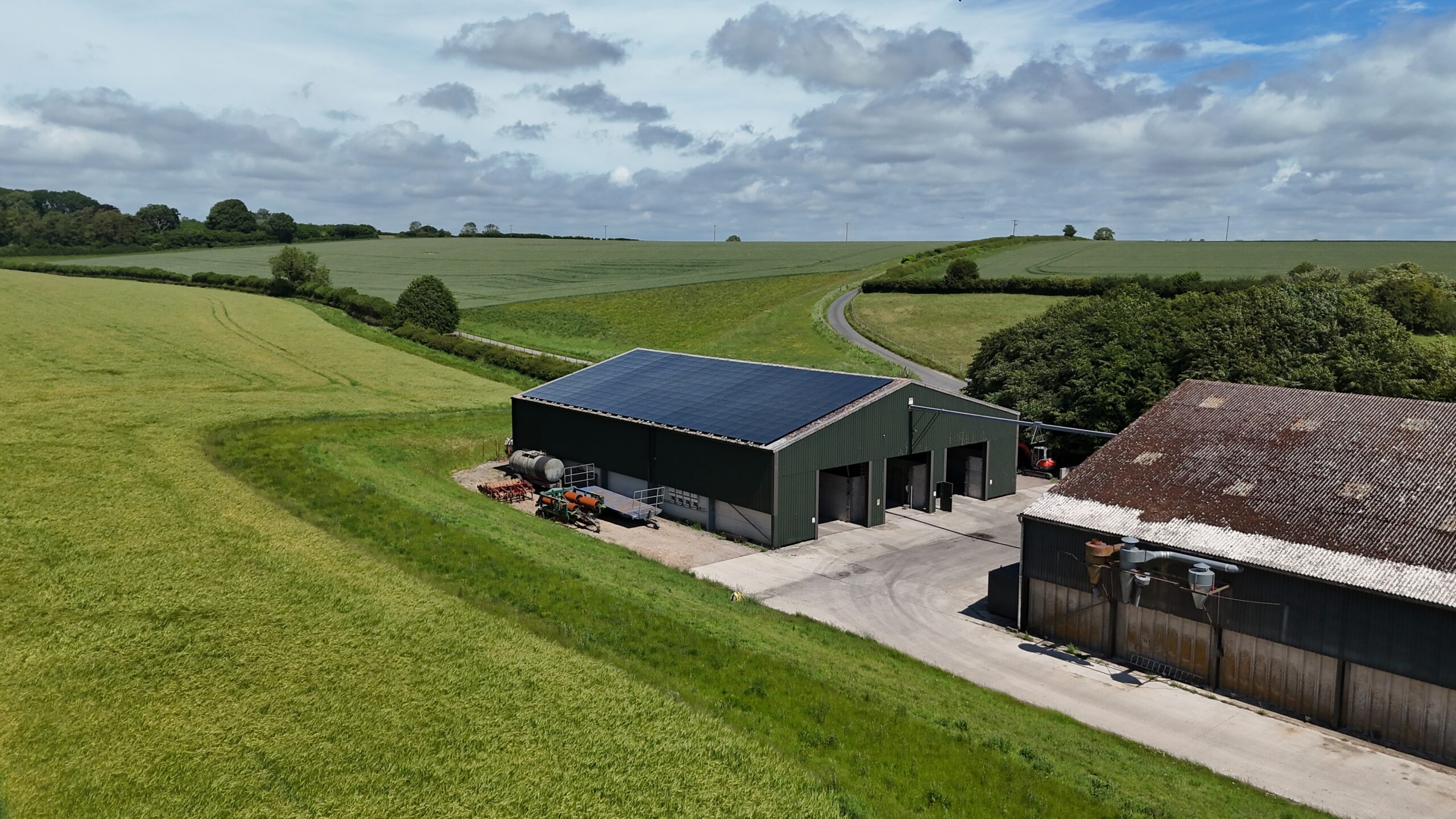
If you run a business in Dorset, investing in commercial solar can be even more beneficial. Businesses typically consume more electricity during the day — when solar production is at its highest — which means more direct usage and faster savings.

Some typical commercial benefits include:

  • Payback periods between 5–9 years

  • Capital allowances and tax relief

  • Long-term reduction in overheads

  • Positive environmental branding

Whether you operate a warehouse in Poole or a shop in Christchurch, commercial solar is a forward-thinking investment with long-term payback and lower running costs.

Sunshine in Dorset: An Ideal Region for Solar?

Yes — Dorset is one of the sunniest counties in the UK. Bournemouth, Poole, and Christchurch enjoy higher-than-average annual sunshine hours compared to much of the UK. This means solar systems in this region tend to generate more electricity, improving overall returns.

Even on cloudy days, modern panels like Tesla solar panels and Qcells are designed to work efficiently, harvesting energy from ambient light. So, Dorset’s climate is absolutely suitable for solar energy.

commercial solar installation dorset
default

Can You Speed Up Your Payback Time?

There are a few ways to shorten the time it takes to recoup your investment:

  • Choose a reputable local installer to ensure system efficiency and avoid costly mistakes.

  • Monitor your energy usage with apps and smart meters.

  • Shift energy-intensive tasks (like laundry or charging devices) to daylight hours.

  • Install a battery to maximise self-consumption and reduce export waste.

  • Consider larger systems if your roof space and budget allow — the cost per kW usually drops with size.

Final Thoughts: Is Solar Worth It?

In most cases, yes — especially for homeowners in Bournemouth, Poole, Christchurch, and surrounding areas. With rising energy prices, generous sunshine, and solid savings potential, solar is becoming a more financially sound investment than ever.

While a standard system may take 8–12 years to pay for itself, many Dorset homeowners are seeing returns even sooner — particularly those using high-efficiency systems like Tesla solar panels or combining their array with a Qcell battery.

If you’re exploring solar for your home or business, it’s worth taking the time to crunch the numbers. Consider your household energy usage, your property’s orientation, your budget, and whether you plan to include storage. The better matched your system is to your lifestyle, the faster it will pay for itself.

Get in Touch with Save Energy UK

Thinking about making the switch to solar? Whether you’re curious about your potential savings, want to explore battery options like the Qcell, or are ready to install a system tailored to your home or business, we’re here to help.

At Save Energy UK, we’ve helped countless homeowners and businesses across Bournemouth, Poole, Christchurch, and the wider Dorset area take control of their energy bills with smart, efficient solar solutions — including Tesla solar panels, commercial solar, and energy storage systems.

Get in touch today — no pressure, just friendly, expert support.
Let’s work together to make your energy cleaner, greener, and more affordable.

Celebrating 20 Years of Excellence

Save Energy UK Marks a Major Milestone

2025 is shaping up to be a record-breaking year for Save Energy UK—and what better way to celebrate than with a 20-year anniversary event that brought together friends, clients, colleagues, and partners across three incredible venues.

From our headquarters to the vibrant atmosphere of The Cow in Ashley Cross, the celebrations were a fitting tribute to two decades of dedication, growth, and community impact.

Two Decades of Innovation and Service

Since our founding in 2005, Save Energy UK has been on a mission to make energy-efficient living accessible, affordable, and high quality for homeowners and businesses alike. Over the years, we’ve grown from a small local operation to one of the South’s most trusted names in home energy solutions.

And 2025 is already shaping up to be our most exciting year yet—with record-breaking installations and a steadily growing reputation for quality, professionalism, and customer satisfaction.

A Night to Remember

The celebration kicked off at our very own building, where guests were welcomed with drinks, a look back at our journey, and the chance to meet the faces behind the brand. From there, we moved on to The Cow in Ashley Cross, where the evening took on a more relaxed and festive tone.

The atmosphere was buzzing as old friends reconnected, new relationships were formed, and everyone raised a glass to the successes of the past—and the opportunities of the future.

Trusted, Reviewed, and Recommended

We’re incredibly proud of what we’ve built over the past 20 years. Our success isn’t just about numbers—it’s about people. And the proof is in the feedback:

  • Over 600 excellent reviews

  • An outstanding 9.98/10 average rating on Checkatrade

We don’t take this lightly. Every install, every consultation, every interaction matters—and we’re committed to delivering the same high-quality service our customers have come to expect.

Looking Forward

While this event was a time to reflect and celebrate, it was also a launchpad for what’s next. We’re continuing to innovate, expand our services, and push the boundaries of what’s possible in energy-efficient living.

Here’s to the next 20 years!

How Much is a Government Grant for Solar Panels?

A 2025 Guide for Homeowners and Commercial Properties in Dorset

With energy prices continuing to rise and the demand for clean energy solutions growing, many homeowners and businesses across the South Coast — particularly in areas like Bournemouth, Poole, and Christchurch — are seriously considering solar panel installations. One of the most common and important questions is: how much financial support can I get from the government to install solar panels?

In the UK, there isn’t a single universal grant that covers the cost of solar panels. However, several schemes are available in 2025 that can help reduce the cost substantially, especially for qualifying households and commercial properties. These include national programs like the Energy Company Obligation (ECO4), the Smart Export Guarantee (SEG), and in some cases, regional council-level support. Whether you’re looking into standard solar panels, advanced systems like Tesla solar panels, or integrated battery storage options such as Qcell batteries, understanding how these incentives work could help you make an informed and financially savvy decision.

UK Government Support for Solar Panels in 2025

When people ask about a “solar panel grant,” they are usually referring to schemes that either reduce the upfront cost or provide long-term savings. These incentives are designed to encourage the uptake of renewable energy while helping residents cut down on carbon emissions and energy bills. Below are the main types of support currently available across the UK, many of which apply specifically to residents and businesses in Dorset.

ECO4 Scheme (Energy Company Obligation)

The ECO4 scheme, which runs through March 2026, is aimed at improving energy efficiency in low-income households. While its main focus is on insulation and heating upgrades, it does support solar panel installation as part of a broader package of energy improvements. This means if your home qualifies for ECO4, solar panels might be included at little or no cost to you.

To be eligible, you typically need to be receiving government benefits such as Universal Credit, Housing Benefit, or Pension Credit. Your property must also have a relatively low Energy Performance Certificate (EPC) rating, usually D or below. If you’re a homeowner or a private tenant living in such a property, you could qualify for full or partial funding.

In Dorset and surrounding areas, local authorities work with approved installers to deliver ECO4 funding, so it’s worth checking with Bournemouth, Christchurch and Poole (BCP) Council or Dorset Council to see what’s currently available. Savings under ECO4 can range from £5,000 to £12,000 depending on your home’s needs and the scope of improvements.

Smart Export Guarantee (SEG)

The Smart Export Guarantee allows solar panel owners to earn money by selling excess electricity back to the National Grid. While not a grant in the traditional sense, this incentive plays a key role in offsetting the cost of a solar installation over time. Under SEG, energy suppliers pay homeowners for each kilowatt-hour (kWh) of unused electricity exported.

To qualify for SEG, your solar system must be installed by an MCS-certified installer and connected to a licensed SEG provider. You’ll also need a smart meter capable of measuring export. Tariff rates vary depending on the energy company, ranging from as little as 1p per kWh to upwards of 15p per kWh. Over the course of a year, many homeowners earn back £100 to £400 or more, while commercial systems with higher capacity can see even greater returns.

Local Council and Regional Funding

While national schemes form the backbone of a government grant, there are also region-specific opportunities that vary by council. Some councils offer additional retrofit programs or partnerships with installers to help residents fund solar and other energy upgrades.

In Bournemouth, Poole, and Christchurch, these schemes change regularly and may be offered through joint efforts with housing associations, community energy projects, or Local Enterprise Partnerships (LEPs). For example, some Dorset LEPs support commercial sustainability efforts, including partial funding for solar energy installations for businesses looking to reduce carbon emissions.

Homeowners should contact BCP Council and Dorset Council directly or speak to a trusted local installer like Save Energy UK, who will often be aware of live funding opportunities.

How Much Could You Actually Save?

The amount of financial help you can receive for solar panels varies widely depending on eligibility, scheme type, system size, and location. Below is a general idea of what each support route may contribute:

  • ECO4 Scheme: Between £5,000 and £12,000 in funding for eligible households

  • SEG Earnings: Between £100 and £400 per year for homeowners, potentially more for commercial systems

  • Local Grants or Council Contributions: Up to £5,000 in some cases

  • Commercial Grants or Tax Relief: Up to 25–40% of system cost via capital allowances or regional programs

For example, if your solar panel system costs £6,500 and you qualify for ECO4 and SEG, you might only end up paying £1,500 to £2,000 out of pocket after all benefits are applied.

What About Tesla Solar Panels and Qcell Batteries?

Many people wonder whether premium systems like Tesla solar panels or advanced battery storage like Qcell are eligible under these funding options. The short answer is yes — but with conditions.

While schemes like ECO4 don’t specifically mention brands, they do require the use of certified, efficient equipment. Tesla solar panels and Powerwalls, as well as Qcell batteries, are commonly included in high-performance installations and meet all technical criteria. However, approval depends on whether your chosen installer is certified and whether the system forms part of a broader home energy improvement plan.

It’s also worth noting that adding battery storage can increase your SEG earnings, as you’re better able to control when electricity is used or exported. For commercial solar systems, battery integration may further improve the business case by helping to avoid peak tariffs and reducing reliance on the grid.

Homeowners vs Commercial Property Owners

While homeowners are eligible for schemes like ECO4 and SEG, commercial property owners may benefit from a different set of incentives. Businesses are often able to write off the cost of their solar systems through capital allowances, gain VAT exemptions on energy-saving materials, or access a sustainability government grant from LEPs.

In some cases, energy savings achieved through solar can even be used to meet Corporate Social Responsibility (CSR) targets or net-zero commitments — adding reputational value on top of financial return. For businesses on the South Coast, particularly in energy-intensive sectors, commercial solar can deliver payback periods of just 3–6 years depending on the size of the installation and available support.

Solar Panel Demand in Bournemouth, Poole and Christchurch

There’s growing local interest in renewable energy across Dorset, with more residents and businesses in Bournemouth, Poole, and Christchurch installing solar each year. Many local solar companies, including Save Energy UK, report significant year-on-year increases in demand, driven by both environmental concerns and the desire to reduce energy bills.

This increase in demand has also encouraged local councils to take action, offering improved access to funding and running information campaigns to help people make the switch. As a result, homeowners in these towns may be particularly well-placed to benefit from the available schemes, especially if they act while support is still available.

Frequently Asked Questions

Can I still get a grant if I already have solar panels?
You typically cannot receive a grant to add more panels, but you may still be eligible for battery storage incentives or SEG payments.

Do government schemes cover battery storage like Qcell or Tesla Powerwall?
yes — particularly when storage is installed as part of a larger home energy retrofit under ECO4 or as part of a smart commercial system.

Are Tesla solar panels covered by UK grants?
They are not specifically excluded. As long as they are installed by certified professionals and meet energy efficiency standards, they may qualify as part of a funding-approved project.

What support is available for commercial properties?
Businesses can access SEG, capital allowances, low-interest green loans, and regional grants. The actual support available depends on the location, business type, and project size.

What if I don’t qualify for ECO4?
You can still benefit from the SEG scheme, VAT reductions, and potentially a government grant. Financing options are also available through reputable installers.

Take the Next Step with Save Energy UK

Government grants and incentives in 2025 make installing solar panels more accessible than ever before — but these schemes won’t be around forever. With rising electricity prices and increasing demand, now is the perfect time to explore your solar options.

Save Energy UK works with homeowners and businesses across Bournemouth, Poole, Christchurch, and the wider Dorset area to design, install, and optimise solar systems.

As certified installers of Tesla solar panels and Qcell battery solutions, they can help you find the right system — and the best way to fund it.

Contact Save Energy UK today for a free consultation and quote. Your journey to clean, affordable energy starts here.

Havant Borough Council’s Strategy

Havant Rugby Football Club

The rugby football club as operated in Havant for 74 years. Due to rising electricity costs, as a result of the development of the clubhouse as the main source of revenue, the organisation needed to find a reliable energy solution. Gordon Brember, Head of Facilities, took the time to share the organisation’s experience of why a sustainable investment was important for business.

The Club’s Investment

Although the club has installed various interventions over time, solar panel installation became the best solution to “take away the pain of the price increases”, according to Gordon.

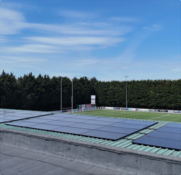
The full installation of solar panels and battery storage was just under £25k, working closely with Save Energy UK to ensure the best package was chosen. A total of 56 solar panels have been installed on the grandstand roof at the club.

The Savings

The longer term investment is what the club is aiming for, recognising that the initial energy costs saved will pay off the higher purchase loan that was secured with the support of Save Energy UK. With a number of rising costs, like many other organisations in hospitality, Gordon shared that releasing the capital funding to finance the installation would have been a challenge.
The costs saved will pay off the loan and contribute to the organisation running over a 5-year period. Following the initial 5 years, the expectation is to see an estimated 20% savings on electricity costs.

The Club’s Advice to Others

“Do your homework and build a prediction model. We looked at our hourly usage in detail.”

“We are a hospitality business that supports a rugby club in essence. Hospitality has many challenges and we have to keep improvements to stand still.” Gordon added, “Installation of Solar PV and savings plays a role in the overall business.”

Residential Solar Panels Payback Calculator

How Much Will You Save?

Thinking about getting solar panels for your home? You’re not alone. With energy bills climbing and a growing focus on greener living, homeowners across the South Coast are turning to solar. But one question always pops up: how much will I actually save? That’s where a residential solar panels payback calculator comes in.

Let’s break down what it is, how it works, and whether solar panels (and batteries) are really worth it for you.

What Is a Solar Panel Payback Calculator?

A solar panel payback calculator is a handy tool that helps you figure out how long it will take to recover the upfront cost of your solar system through energy savings. In simple terms, it tells you when your solar panels will have “paid for themselves.”

It usually asks for a few details like:

  • Your location

  • Energy usage (how many kWh you use per year)

  • Panel system size and cost

  • Any battery storage (like a Sunsynk battery or Duracell solar battery)

  • Tariff rates (buying and selling electricity)

  • Local government incentives

It then gives you an estimated payback period—often shown in years.

Are Residential Solar Panels Worth It?

Short answer: for many South Coast homeowners, yes—especially if you plan to stay in your home for at least 5–10 years. Solar panels cut down your electricity bills and let you sell excess energy back to the grid. Add a battery system into the mix, and you’ll store unused power for evening use, boosting your savings even more.

Here’s what affects how “worth it” they really are.

What Affects Solar Payback Time?

1. Installation Cost

The average residential solar panel system costs between £5,000–£8,000 in the UK, depending on system size. If you add a Sunsynk battery installation or a Duracell solar battery, the total might rise to £10,000–£14,000.

2. Your Energy Usage

The more electricity you use during the day, the more you’ll benefit from solar. If you’re out all day, a battery helps by storing energy for the evening.

3. Location

Living on the South Coast? Lucky you—this region enjoys higher-than-average sunshine levels in the UK. More sun = more energy = faster payback.
4. Smart Export Guarantee (SEG)

SEG lets you earn money for feeding unused electricity back to the grid. It’s not loads (around 5–15p per kWh), but every penny helps!

5. Incentives

While the big solar incentives ended in the UK, some local councils or companies offer deals. It’s worth a quick search or chat with your solar battery installers near me.

How to Use a Payback Calculator: Step-by-Step Example

Let’s walk through a basic example.

  1. System cost: £8,000

  2. Annual electricity savings: £900

  3. Export earnings via SEG: £150

  4. Total annual savings: £1,050

  5. Payback period: £8,000 ÷ £1,050 = 7.6 years

That’s just an estimate—but it gives you a ballpark idea. And with prices rising, your savings could grow over time.

How Solar Batteries Change the Game

If you’re serious about maximising savings, look into adding a Sunsynk solar panel system with a Sunsynk battery or a Duracell solar battery. Batteries store extra electricity so you can use it later, instead of buying from the grid at higher evening rates.

Why It’s Worth Considering:

  • Use more of your own energy = fewer grid imports

  • Protection against blackouts

  • Helps reduce your carbon footprint

  • Potentially shortens your payback period by up to 2 years

A Sunsynk installer can explain which battery size fits your setup and how much more efficient your system will become. Look for trusted solar battery installers who understand both the tech and local conditions.

default

How Much Can You Actually Save?

Here’s a rough look at what savings could look like over time:

Years Without Battery With Battery
5 £4,000–£5,000 £5,000–£6,500
10 £8,500–£10,000 £11,000–£13,000
20 £18,000–£22,000 £24,000+

Note: These numbers depend on your usage, system size, and export rates—but the general idea is clear: solar saves you money, and batteries boost those savings even more.

Tips to Reduce Payback Time

  • Get multiple quotes: Prices vary, and some installers offer better long-term support.

  • Choose the right installer: Find a certified Sunsynk installer or trusted solar battery installer near you.

  • Pair with a battery: Duracell solar batteries and Sunsynk battery installation options are widely available.

  • Use more solar during the day: Time your high-usage activities (like washing machines or EV charging) for daylight hours.

  • Monitor your system: Many systems offer apps to help you see real-time performance and adjust usage.

So, How Much Will You Save?

With the right setup, most homeowners on the South Coast can expect to pay off their solar panels in 6–10 years—even faster with a battery. After that, you’re essentially enjoying free electricity (and possibly income) for the next decade or more.

If you’ve ever asked, “Are residential solar panels worth it?”—the answer might be a resounding yes, especially when you add Sunsynk or Duracell battery storage.

Try a solar panel payback calculator today and find out exactly how much you could save. Or speak to a local solar battery installer to get a tailored quote that suits your home and energy needs.

Get in Touch with Save Energy UK Today

Ready to take the next step toward lower energy bills and a greener future? Whether you’re curious about solar panel installation, battery storage options like Sunsynk or Duracell, or just want honest advice, Save Energy UK is here to help. Our friendly team of experts are on hand to answer your questions, guide you through the best solutions for your home, and provide a free, no-obligation quote.

Can You Get Free Residential Solar Panels in 2025?

Introduction

Residential Solar technology has become increasingly appealing to homeowners across the UK, especially along the South Coast, as energy prices rise and environmental concerns grow. In 2025, the question on many minds is: Can you genuinely get free solar panels for your home? The short answer is: yes—for certain households under specific government schemes and subsidies. But “free” often comes with eligibility conditions and trade-offs. This article will help you understand what options are truly cost-free, what qualifies as “free” but with strings attached, and how Save Energy UK can guide you through the process.

What Does “Free” Solar Panels Mean?

When industry or marketing materials advertise “free solar panels,” they’re typically referring to one or more of the following:

  1. Fully funded installations through national schemes such as ECO4 or local Warm Homes grants.

  2. 0% VAT on residential solar hardware and installation, which effectively discounts the final bill.

  3. Smart Export Guarantee (SEG) payments that generate passive income from surplus electricity.

  4. Private or charity-funded schemes offering fully funded installs to highly targeted demographics.

  5. Lease or Power Purchase Agreements (PPAs)—no upfront cost, but you pay for energy usage.

It’s important to note that while the upfront installation might cost you nothing, you may still face conditions like eligibility checks, long-term maintenance responsibilities, or revenue-sharing agreements.

National UK Schemes in 2025

1. ECO4

The Energy Company Obligation continues through March 2026, targeting low-income households in inefficient properties (EPC grades D–G). Eligible homes may receive full funding for residential solar panels, insulation, or heat pumps, paid directly by Ofgem-registered installers via obligated energy suppliers MoneySavingExpert.com+15eco4.co.uk+15CRG Direct Solar+15elmhurstenergy.co.uk+13CRG Direct Solar+13evergy.co.uk+13evergy.co.uk+2The Renewable Energy Hub+2Homebuilding+2. ECO4 is one of the few sources of genuinely free solar for qualifying homeowners or tenants with sufficient benefits or low income.

2. Smart Export Guarantee (SEG)

This government-mandated initiative ensures energy suppliers offer payments for surplus energy exported to the grid. While it doesn’t reduce installation costs, it can generate an annual return of roughly £80–£170 for typical installations Warm Home Plan.

3. 0% VAT on Installations

Backed until March 2027, this tax relief eliminates the usual 5% VAT on solar panel kits and installations—reducing costs by £300 to £1,000 on average .

4. Warm Homes: Local Grant

From April 2025, this £500 million fund is distributed via local authorities to install energy-saving measures and solar PV in low-income households with EPC D–G ratings. Each eligible home can receive up to £30,000, split between insulation and low-carbon technology—absolutely no cost to the homeowner elmhurstenergy.co.uk+7GOV.UK+7Consumer Rights+7.

Regional & Private Development Schemes

LA Flex

Local Authority Flexibility (LA Flex) allows councils to extend ECO4-style support to households that don’t meet national criteria. Eligibility, income caps, and EPC thresholds vary by council Energy Saving Trust+15eco4.co.uk+15ecowiseinstallations.co.uk+15.

Solar Together Group Buying

Active in regions such as Hampshire and West Sussex, this offers group purchasing across select areas. Homeowners commit to installation after securing bulk pricing—while some cost remains, it is substantially lower Shine Solar+2Homebuilding+2CRG Direct Solar+2.

Private Grants (e.g., Solar Panel Funding)

Companies like Solar Panel Funding offer fully funded solar options for very specific groups—typically single parents with chronic health conditions, incomes under £10,000, and high energy burdens The Renewable Energy Hub+2Wikipedia+2Moneyweek+2.

residential solar panels

Eligibility Criteria

Scheme Eligibility Summary
ECO4 Low-income households (benefits or income <£31k), EPC D–G, owned or rented (with permission) Sustainable Energy Engineering Limited+4chahalenergy.co.uk+4Energy Saving Trust+4
SEG / 0% VAT All homeowners qualify; SEG requires microgeneration registration
Warm Homes Local Grant Income <£36k or means-tested benefits, EPC D–G, in participating council areas, starting April 2025
LA Flex Varies by council; designed for those marginally missing ECO4 thresholds
Solar Together Homeowners in launching council zones
Private Grants Strictly targeted demographics (e.g., single parents under certain income)

If You Don’t Qualify—Alternatives

  • Solar leases/PPA: No upfront cost, but you pay for the electricity generated.

  • Green loans/mortgages: Available from some banks or installers, often around 0–6% interest.

  • Installer payments plans: Many offer interest-free or low-rate financing.

  • Group buys (Solar Together): Discounted rates via bulk purchasing.

  • Pay-in-full: If affordable, you can buy the system outright and benefit from VAT and SEG incentives.

Pros & Cons of “Free” Solar

Pros

  • No upfront cost for qualified applicants

  • Future-proof budgeting: Income from SEG helps offset bills

  • VAT exemption benefits everyone

  • Lower energy bills and reduced carbon emissions

  • Increased property value due to installed PV

Cons

residential solar panel installation

How Save Energy UK Helps

Save Energy UK operates as both a service provider and publisher, supporting South Coast homeowners through:

  1. Eligibility checks for ECO4, Warm Homes grants, LA Flex, and private schemes

  2. End-to-end facilitation with council and energy supplier coordination

  3. Installer vetting, ensuring MCS certification and reliable workmanship

  4. Ongoing guidance via blog, tools, calculators, and up-to-date content

  5. Simple quoting and application handling—no hassle for homeowners

Conclusion

While the term “free solar panels” in 2025 holds substantive truth for many, it’s contingent on meeting specific eligibility conditions and acting quickly to take advantage of time-limited schemes. For everyone else, alternative routes—like VAT exemption, SEG, financing, and group buys—still make solar installation attractive and often affordable.

Interested in residential solar panels? Whether you’re eligible for full funding or exploring cost-effective options, request a free home assessment or quote from Save Energy UK today. We’ll help you navigate grants, PV options, and installation seamlessly.

How Fast Residential Solar Panels Pay for Themselves

Solar Payback

As the cost of living continues to rise and energy prices remain unpredictable, more and more homeowners on the South Coast are turning to solar energy as a long-term solution. One of the most common questions people ask is: “How long will it take for solar panels on my home to pay for themselves?” This guide breaks it down clearly and concisely, so you can decide if residential solar installation is right for you.

The solar payback period is the time it takes for the financial savings generated by your solar panels to cover the cost of purchasing and installing them. After this period, any additional savings are essentially profit — and with systems lasting 25 years or more, the long-term returns can be substantial.

How Is the Payback Period Calculated?

Several key factors influence the payback calculation:

1. Upfront Costs

Typical installation costs for a 4kW residential system range from £5,000–£7,000. On the South Coast, with its higher-than-average sun exposure compared to the rest of the UK, you might need slightly fewer panels to achieve the same output.

2. Energy Bill Savings

Solar panels reduce your reliance on the grid, slashing your electricity bills. In the South Coast region, a well-positioned 4kW system can generate around 3,800–4,200 kWh annually, leading to £600–£900 in yearly savings, depending on your tariff.

3. Government Incentives

UK homeowners benefit from:

  • Smart Export Guarantee (SEG): Earn money by selling unused solar electricity back to the grid.

  • 0% VAT on solar installations: Running until March 2027, this significantly reduces upfront costs.

4. Local Electricity Rates

South Coast homeowners, especially in Hampshire, Dorset, and West Sussex, often pay higher per-unit energy prices due to regional distribution charges — making solar even more financially attractive.

residential

What Affects Your Solar Payback Period?

Several factors can speed up or slow down your return on investment:

Location & Sunlight

The South Coast enjoys more sunshine than much of the UK — especially in areas like bournemouth, Brighton, Portsmouth, and the Isle of Wight. More sun = more savings.

Roof Orientation & Condition

South-facing roofs with minimal shade and a good pitch (30–40°) perform best. If your roof needs repairs or reinforcement, it can increase initial costs.

System Size & Efficiency

Higher-efficiency panels cost more upfront but may shorten the payback period due to better energy production.

Financing Options

  • Outright purchase: Best long-term value.

  • Solar panel loans or payment plans: Spread the cost but add interest, which may extend your payback timeline by 2–4 years.

residential solar panels

Realistic Examples from the South Coast

Example 1: Semi-Detached in Southampton

  • 4kW system, £6,200 installed

  • Generates ~4,000 kWh/year

  • Saves ~£850/year (incl. SEG payments)

  • Payback: ~7.3 years

Example 2: Detached Home in Poole with Loan Financing

  • 6kW system, £9,000 installed

  • 5-year loan at 4.5% APR

  • Saves ~£1,100/year

  • Payback: ~9–10 years (accounting for interest)

How Solar Compares to Other Home Improvements

Home Improvement Average Payback Period
Solar Panel Installation 6–10 years
Wall Insulation 12–15 years
EV Charger Installation 8–12 years
Loft Insulation 2–4 years

While insulation provides quicker returns, solar panels offer one of the best long-term ROI options, especially with energy costs trending upwards.

residential solar panel installation

Is Solar Worth It for South Coast Homeowners?

Absolutely — especially if you plan to stay in your home for at least 7–10 years. The South Coast’s favourable solar conditions and rising energy costs mean your system could start turning a profit well before it reaches the halfway point of its lifespan. Add in government incentives, zero VAT, and the environmental benefits, and solar becomes a smart and future-proof investment.

Sustainable Investment

Investing in solar panels on your home is no longer just a niche decision for eco-warriors — it’s now one of the smartest financial and environmental choices a UK homeowner can make. On the South Coast, where sunlight is more abundant than in many other regions of the UK, the benefits are amplified. You’ll not only slash your energy bills but also gain protection against rising electricity prices, all while reducing your carbon footprint.

The average payback period of 6–10 years means that for over half of your system’s 25+ year lifespan, your panels are essentially making you money. Combine that with government incentives like the Smart Export Guarantee and 0% VAT, and it’s clear that the financial case is stronger than ever.

Whether you’re in Brighton, Bournemouth, Portsmouth, or anywhere in between, solar panels are a future-proof way to increase your home’s efficiency, value, and sustainability. If you’ve been on the fence, now is the perfect time to act.

Start Your Solar Journey Today

Ready to take the next step towards cleaner energy and long-term savings?

We’re here to help you every step of the way. Whether you want a rough cost estimate, advice on your roof’s suitability, or a detailed proposal tailored to your home, our friendly solar experts can guide you through your options with zero pressure and full transparency.

Reach out today for a free, no-obligation solar assessment, and discover how fast solar panels could pay for themselves on your property.

Call us, drop us a message, or fill out our quick online form — and let’s bring sunshine to your savings!