| Unit 20, Glenmore Centre, Poole, Dorset BH12 4FB | Mon–Fri 9:00am – 5:00pm
01202 986262 Get a Free Quote

Could Commercial Solar Reduce Daytime Electricity Imports at a Food Manufacturing Site?

Food Manufacturing Sites

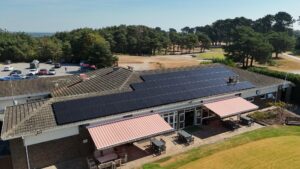
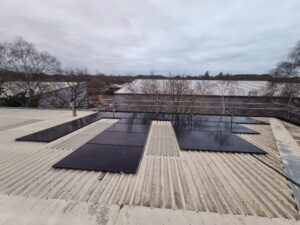
Food manufacturing sites often use substantial amounts of electricity throughout the working day. Refrigeration, ventilation, processing equipment, packaging lines and lighting can all contribute to demand. For businesses in Dorset, Poole, Bournemouth, Christchurch, Parkstone and Broadstone, commercial solar may help meet some of that demand with electricity generated on site.

The potential benefit depends on how much electricity your business uses while the panels are generating. A system designed around your site and operating pattern could reduce the amount of electricity you need to import from the grid. A commercial survey can help establish whether solar is suitable for your premises and what a tailored proposal might include.

How commercial solar works

Solar panels convert daylight into electricity. Your business can use this electricity as it is generated, with any shortfall supplied by the grid.

Solar panels can still generate electricity on cloudy days, although their output varies with the weather, season, roof orientation and other site conditions. Generation is usually greatest during daylight hours, which may suit food manufacturers whose production schedules and equipment operate during the day.

If your site uses more electricity than the panels are generating, you can continue to draw the balance from the grid. If the system generates more than the site needs at a particular time, surplus electricity may be exported, subject to the relevant connection and energy arrangements.
pro drainage commercial

Why daytime demand matters

The value of a commercial solar system is not based on panel output alone. It also depends on when your business uses electricity.

A food manufacturing site may have a steady daytime demand from refrigeration and cold storage. Production machinery, conveyors, packing equipment and cleaning processes may add to this demand during operating hours. Where solar generation coincides with that usage, the site can use more of its generated electricity directly.

This relationship between generation and consumption is important when planning a system. A large array may produce more electricity over the year, but its suitability depends on the site’s usage, available roof space and other practical factors. Reviewing half hourly consumption data can help show when demand rises and falls across a typical working day.

Could solar suit your food manufacturing site?

A solar assessment should consider more than the size of the roof. The condition and structure of the building matter, as do roof orientation, shading, access and the electrical infrastructure on site.

Your business’s operating pattern is just as important. A site that runs production and refrigeration throughout the day may have a different solar requirement from one that operates mainly at night. Seasonal production changes, planned machinery upgrades and future expansion should also be discussed before a system is designed.

It can help to prepare recent electricity bills and consumption data before requesting a proposal. This gives the installer a clearer view of your current usage and helps inform the system design. A survey can then assess the building and identify any technical matters that need further attention.

Should you consider battery storage?

Battery storage may be useful if your site regularly has surplus solar generation during the day and significant electricity demand later. A battery can store some of that electricity for use at another time, depending on the system design and operating conditions.

However, storage is not automatically necessary. If your site already uses much of its solar generation as it is produced, adding a battery may not be the right choice. The decision should follow an assessment of your energy use, required capacity, costs and intended benefits.

A tailored proposal can compare a solar system with and without battery storage. This allows your business to consider the options in the context of its own consumption rather than relying on general estimates.

What should you ask before requesting a quotation?

Before making a decision, consider what you want the installation to achieve. You may want to reduce daytime electricity imports, manage exposure to grid prices or support your environmental plans. A clear objective can help shape the assessment.

It is also sensible to ask how projected generation has been calculated, what assumptions have been used and how the system may perform across different seasons. Ask whether the assessment includes your actual consumption data, roof suitability and any relevant grid connection requirements.

Planning requirements should also be checked for the specific site. Some solar installations on non domestic buildings may fall within permitted development rights, but conditions and limitations apply. The location and design of the system can affect what approvals are needed, so confirm the requirements before work begins. legislation.gov.uk

Arrange a commercial solar survey in Dorset

Commercial solar could help a food manufacturing business reduce the electricity it imports during daylight hours, particularly when the site has a strong daytime demand. The likely benefits depend on the building, system design, operating schedule, energy consumption and available tariff arrangements. A site specific assessment is the best way to understand what may be suitable.

Save Energy UK designs and installs commercial solar systems for businesses. Its commercial service includes a survey and a system proposal tailored to the site and its energy requirements. Save Energy UK

If your food manufacturing business is based in Dorset, Poole, Bournemouth, Christchurch, Parkstone or Broadstone, contact Save Energy UK to arrange a commercial solar survey and quotation. Call 01202 986262 to discuss your site and energy use.

Frequently asked questions

Can solar panels run food production equipment?

Solar panels can supply electricity to a business while they are generating. Whether they can meet a particular site’s demand depends on the system’s output and the site’s electricity use at that time. Your business remains connected to the grid to supply any additional electricity it needs.

Will solar panels work during winter?

Solar panels can generate electricity in winter, but output varies with daylight hours, weather, shading and other site conditions. A proposal should account for seasonal variation when estimating annual generation.

Does every food manufacturing site need battery storage?

No. Battery storage may suit sites that have surplus solar generation and demand later in the day, but it is not essential for every installation. A review of your consumption can help determine whether it should be considered.

How do I find out whether my site is suitable?

Start by gathering recent electricity bills and, if available, half hourly consumption data. Save Energy UK can assess your building, energy use and requirements during a commercial solar survey, then prepare a tailored proposal.
Does the EcoFlow Ocean 2’s Built In Smart Meter Affect How Your System Is Installed?

Smart Meter Changes

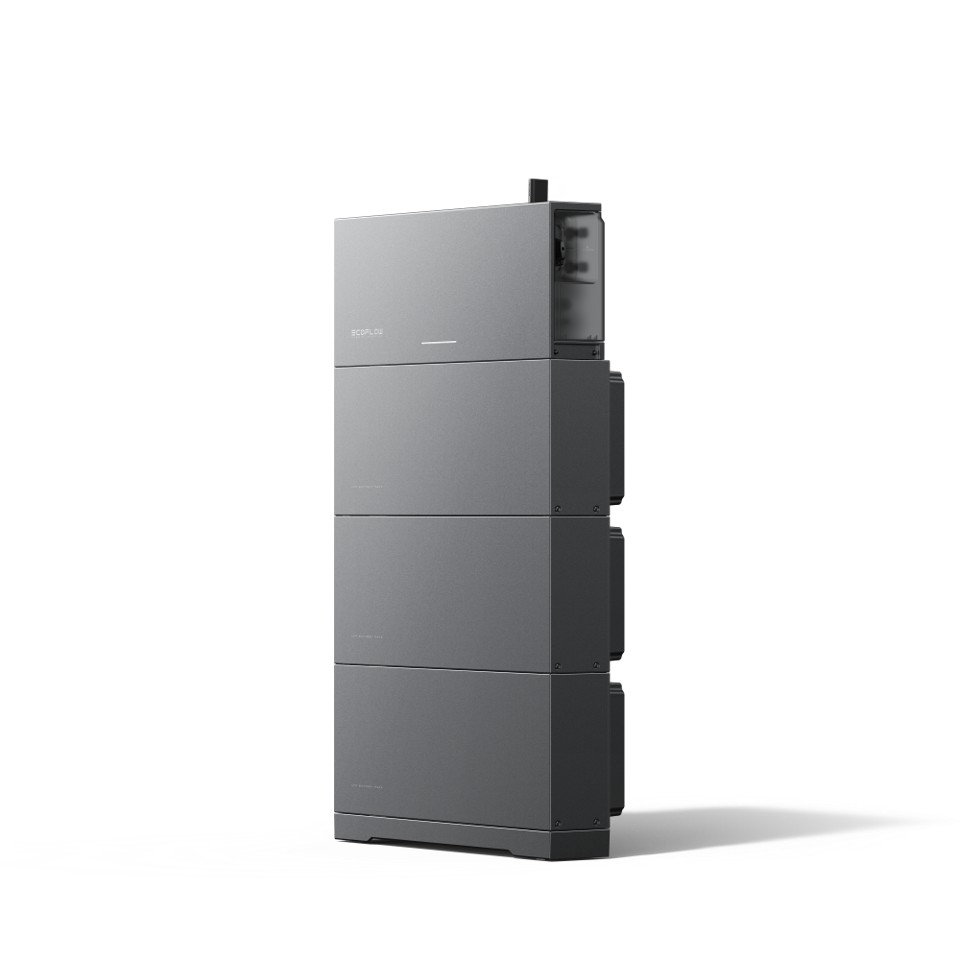
If you are considering an EcoFlow Ocean 2 battery system, you may wonder whether its built in smart meter changes the installation process. It can make energy monitoring part of the system design, but it does not remove the need to assess your property, existing equipment and electricity supply.

The installer still needs to plan how the Ocean 2 will connect to your home or business. The smart meter is one part of that wider assessment.

What does the built in smart meter do?

EcoFlow describes the Ocean 2 as having a built in smart meter. The meter helps the system monitor energy use and manage how power moves between solar panels, the battery, the building and the electricity grid. EcoFlow UK

This information helps the system respond to energy demand. For example, stored energy may be used when the building needs power, while surplus solar generation can be directed towards the battery, depending on the system configuration.

The Ocean 2’s built in meter is part of its energy management system. It is different from the electricity meter provided by your energy supplier, which records the energy you import from or export to the grid.

Does it make installation simpler?

The integrated design may help reduce the number of separate components needed for some installations. EcoFlow presents the Ocean 2 as a system designed for simpler installation, with whole home backup and a built in smart meter. EcoFlow UK

However, this does not mean every installation is the same. The installer must still check how the system will connect to the property’s electrical supply. EcoFlow’s installation guidance includes instructions for meter connections and communication with the inverter. It also notes that wiring arrangements can depend on the equipment version and system configuration. enterprise-service-eu-cdn.ecoflow.com

In practical terms, the built in meter may affect how the installer plans the system and checks its connections. It does not remove the need for careful design, testing and commissioning.

What will an installer need to assess?

Before recommending an Ocean 2 system, an installer will need to understand how your property uses electricity and what you want the system to do. An assessment may consider:

  • Your existing solar panels, inverter and battery equipment
  • The property’s electricity supply and electrical layout
  • Your typical energy use and when you use the most power
  • Whether you want backup power during a grid outage
  • The space available for the battery and other equipment
  • Whether the system is for a home or business

Existing solar equipment can be particularly important. EcoFlow says the Ocean 2 can work with some third party solar systems, which may allow a battery and backup capability to be added without replacing every existing component. The installer must still check compatibility and decide how the equipment should connect. EcoFlow UK

Could the meter change the way the system works?

The meter helps the Ocean 2 understand energy flows around the property. That information supports the system’s energy management. The final operation will depend on the equipment installed, the way it is configured and your household or business needs.

For example, a property seeking whole home backup may need a different design from one that wants to store surplus solar energy for later use. The installer will also need to consider any existing solar equipment and how it interacts with the Ocean 2.

For businesses, a site assessment is especially useful. Energy use may vary across the day, and the building may have different electrical requirements from a typical home. A tailored design can help establish whether the proposed system suits the site.

Do you still need an installation survey?

Yes. A survey gives the installer the information needed to recommend a suitable system and plan the work. The built in smart meter does not determine whether the Ocean 2 is right for your property on its own.

During a survey, the installer can discuss your priorities, inspect the available equipment and identify any details that could affect the design. This gives you a clearer understanding of the proposed installation before you make a decision.

If you are in Dorset, Poole, Bournemouth or Parkstone, Save Energy UK can discuss your requirements and arrange a quotation for a suitable solar and battery system.

Frequently asked questions

Is the Ocean 2’s smart meter the same as my electricity supplier’s smart meter?

No. The Ocean 2’s built in smart meter is part of its energy management system. Your supplier’s meter records electricity imported from and exported to the grid.

Does a built in smart meter mean fewer installation checks?

No. The installer still needs to assess your property, electrical supply, existing equipment and intended use. The meter is one feature within the wider system.

Can the Ocean 2 be added to existing solar panels?

It may be compatible with some third party solar systems. An installer will need to check your existing equipment and confirm how it can be connected. EcoFlow UK

How can I find out whether an Ocean 2 system suits my property?

Speak to an installer about your energy use, existing equipment and priorities for backup or battery storage. Save Energy UK can discuss your project and arrange a quotation for your property in Dorset, Poole, Bournemouth or Parkstone.

Can Solar Panels Be Fitted Around Rooftop Plant and Ventilation Equipment?

Rooftop Plant

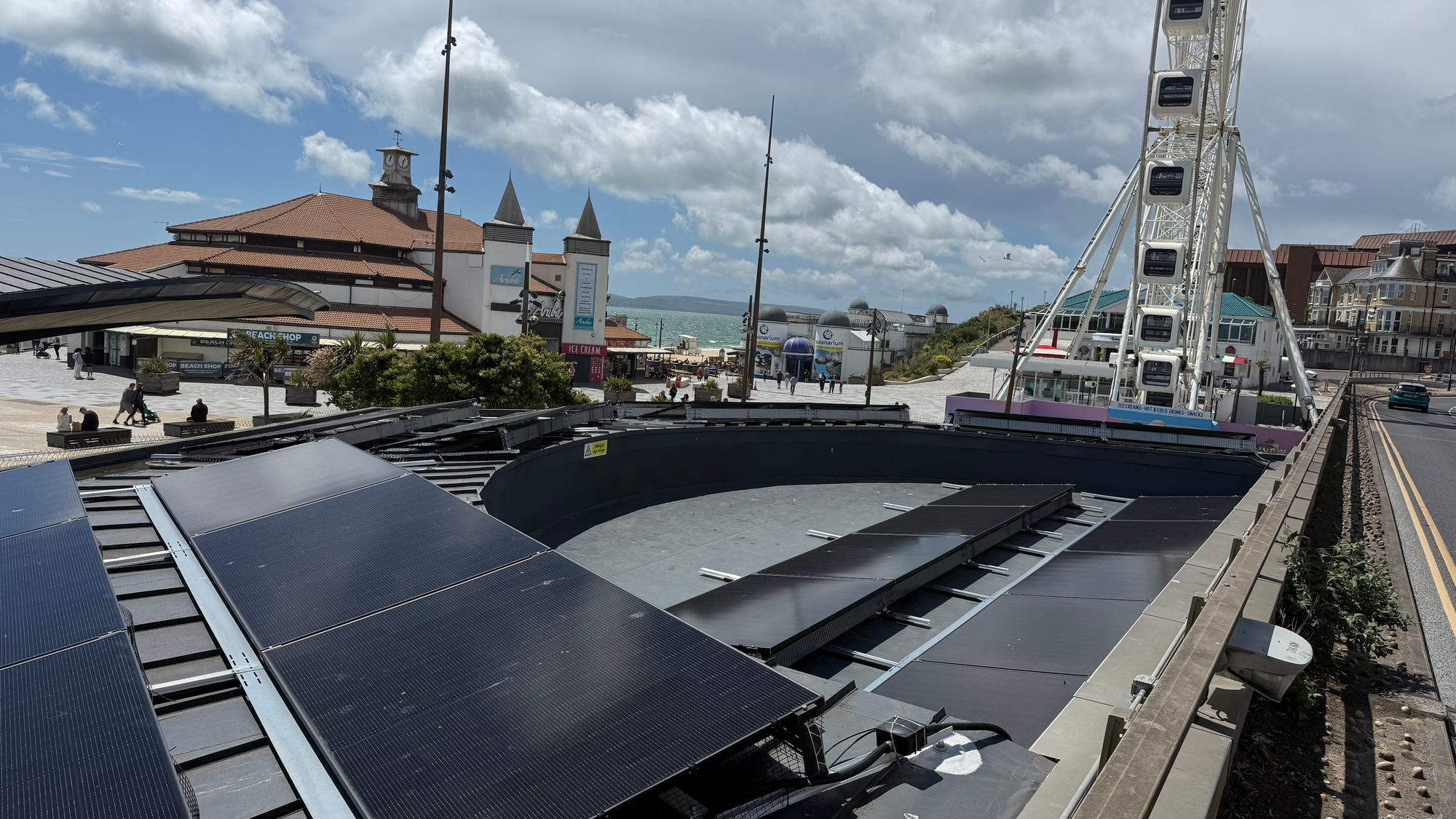
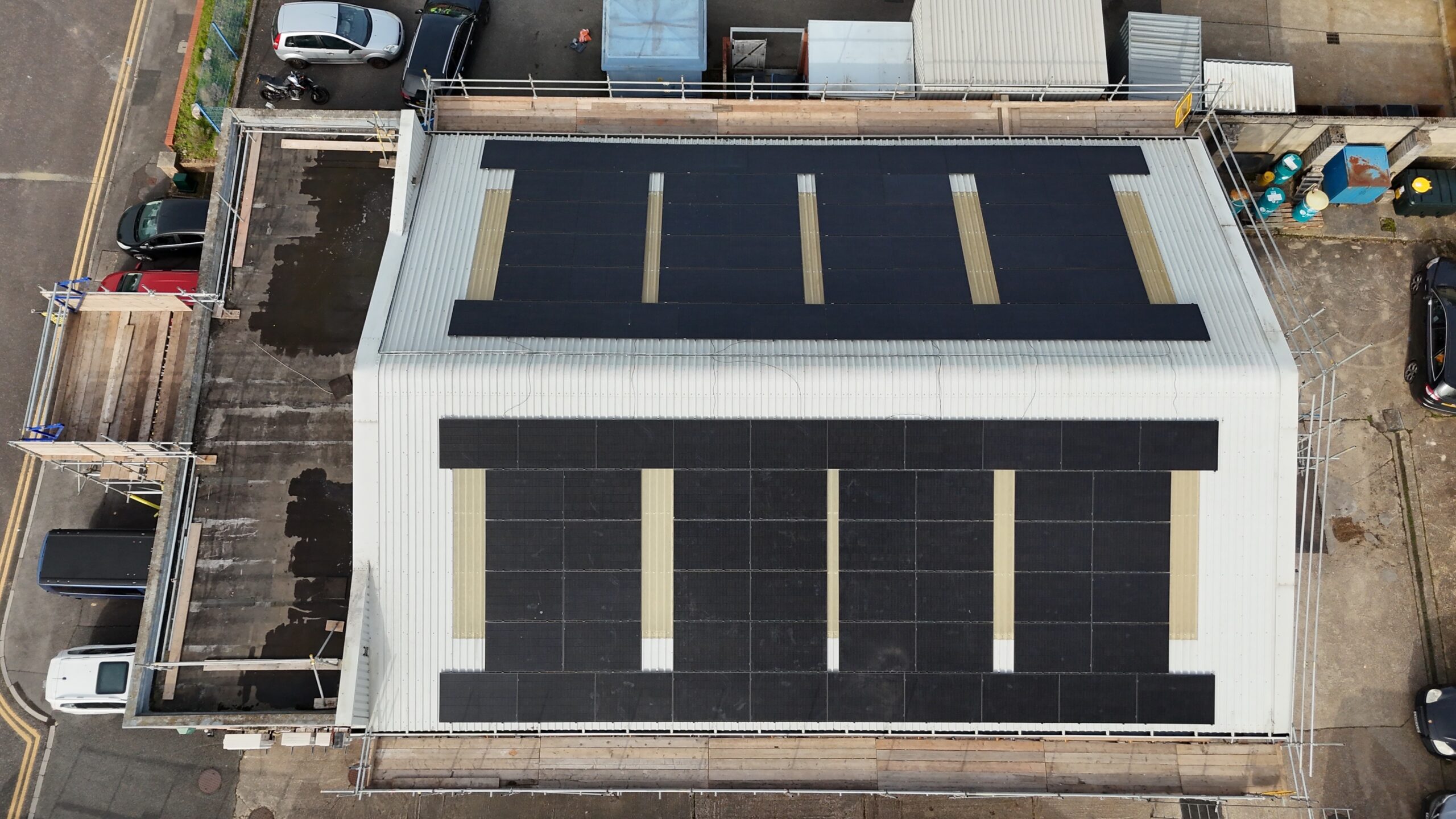
Rooftop plant and ventilation equipment do not automatically rule out solar panels. Many commercial buildings in Dorset have roofs shared by air handling units, extract fans, pipes, access routes and other essential services. With careful planning, it may be possible to install a solar panel system while keeping those services accessible and operating as intended.

The right layout depends on the building, the equipment on the roof and the amount of usable space. Save Energy UK designs and installs commercial solar systems for businesses across Dorset, with a site assessment helping determine what may work for each property. Save Energy UK

How rooftop equipment affects solar panel installation

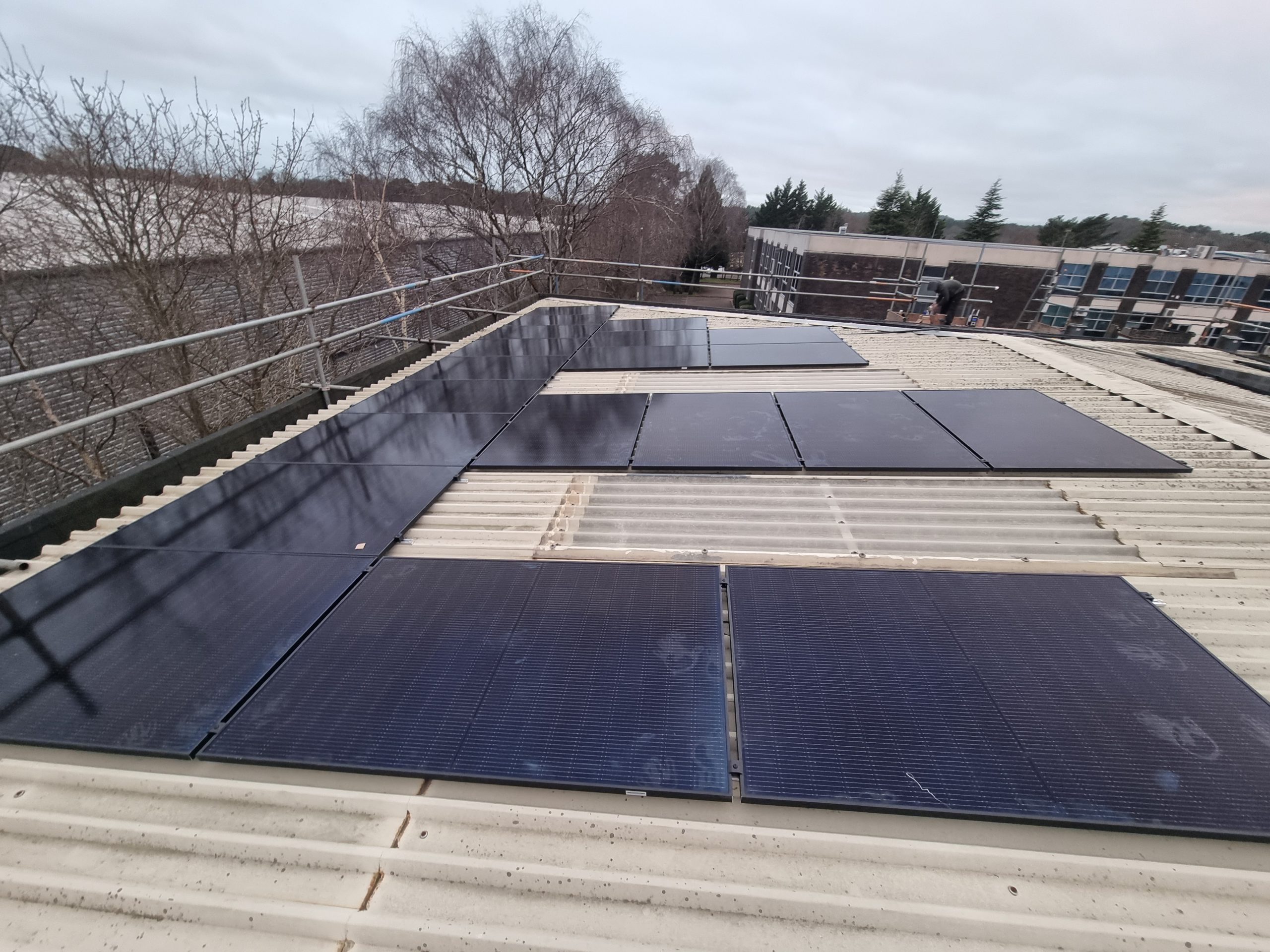
Plant and ventilation equipment can affect where panels are placed and how much electricity a system could generate. Units may cast shadows across parts of the roof, particularly at certain times of day or during different seasons. Panels placed too close to equipment might also make maintenance more difficult or interfere with the way a system operates.

This does not mean every roof obstacle makes installation impractical. A designer can assess the available roof area and consider how the position, height and shading of each item may affect the proposed layout. The aim is to make effective use of the roof while respecting the needs of the building and its services.

Can solar panels be fitted around ventilation equipment?

In some cases, panels can be positioned around ventilation equipment, with suitable space left for airflow, inspection and maintenance. The clearance required will depend on the equipment and the manufacturer’s guidance. There is no single spacing that is appropriate for every roof or unit.

Ventilation systems are part of a building’s working environment. Their performance and access requirements need to be considered as part of the design. Government fire safety research also notes that rooftop solar installations can affect firefighting operations and ventilation, making proper planning important. GOV.UK

A survey can help establish which areas should remain clear and whether the solar array needs to be arranged in separate sections. It can also identify roof features that may affect cabling, mounting equipment or safe access.

What happens during a commercial roof assessment?

Before recommending a system, an installer needs to understand how the roof is built and used. A commercial solar assessment may consider:

  • The roof’s layout, condition and usable area
  • The location and height of plant, vents and other equipment
  • Potential shading across the roof
  • Access routes for inspection and maintenance
  • The roof structure and its ability to support the proposed system
  • The building’s electricity use and the best size for the system

The roof structure matters because solar panels and their mounting equipment add weight and can be affected by wind and weather. MCS installation standards state that the roof structure should be checked by a suitably competent person to confirm that it can withstand the loads imposed by the system. mcscertified.com

Roof work also needs careful planning to protect people working at height. The Health and Safety Executive advises that safe roof access requires planning, particularly where work takes place across the roof. HSE

Planning a system around your building

A well planned layout should work with the building rather than treating the roof as empty space. This may mean keeping panels away from equipment that requires regular servicing, allowing suitable routes across the roof, and considering how the array could affect ventilation and access.

The assessment should also take account of the roof’s condition. If repairs or replacement may be needed, it is sensible to consider them before installing solar panels. This can help avoid disruption if roof work becomes necessary later.

The final design will depend on the property and its energy requirements. A roof with several units may still have useful areas for panels, while another roof with fewer obstructions may be less suitable because of its condition, structure or shading.

Is commercial solar worthwhile if roof space is limited?

A smaller usable area does not automatically make solar unviable. The potential value of a system depends on factors such as the available roof space, electricity consumption, shading and installation requirements. A tailored assessment can help a business understand what can realistically be installed and how the system may fit its energy needs.

Save Energy UK can assess commercial properties in Dorset and discuss a system designed around the building. The company has more than 21 years of experience designing, installing and maintaining solar PV and battery storage systems. Save Energy UK

Arrange a commercial solar survey in Dorset

If your commercial roof has rooftop plant or ventilation equipment, a professional assessment can help you understand the options. Save Energy UK can review your building, consider the space available and discuss a commercial solar panel system suited to your requirements.

Arrange a free survey or request a quotation from Save Energy UK to find out whether solar panels could work around your rooftop equipment.

Frequently asked questions

Do ventilation units need to be moved before solar panels are installed?

Not necessarily. The solar panel layout may be designed around existing equipment. Whether any changes are needed depends on the roof, the unit’s requirements and the proposed system.

Will rooftop plant reduce the amount of electricity solar panels generate?

It can, particularly if it casts shade across the panels. A site assessment can identify potential shading and help inform the system design and expected generation.

Can panels be installed above or beside ventilation equipment?

That depends on the equipment, roof structure, access needs and manufacturer guidance. The layout should allow essential building services to operate and be maintained safely.

Could Tesla Powerwall 3 Suit a Home Planning to Add a Heat Pump?

Heat Pump in Your Home

If you are planning to install a heat pump at your home in Dorset, Poole or Bournemouth, now is a good time to consider how your household will use electricity. A heat pump can provide efficient heating and hot water, but it will add to your home’s electricity demand. Solar panels and battery storage may help you make better use of the electricity you generate or buy.

Tesla Powerwall 3 could suit some homes planning to add a heat pump. The right arrangement depends on your property, existing equipment and patterns of energy use. Save Energy UK designs and installs solar and battery systems across Dorset and the South Coast. Our team can assess your requirements and help you decide whether Powerwall 3 is a suitable option.

How can a home battery work with a heat pump?

Solar panels generate electricity during daylight. Your home can use this electricity as it is produced, while a battery can store surplus power for later. You could then use stored electricity in the evening or at another time when your panels are generating less.

This can be useful when a heat pump is part of your home’s heating system. The heat pump will use electricity to provide heating and hot water, so your overall consumption and the times when you use electricity matter. A battery may help supply some of your home’s demand from stored solar energy. How much it can contribute will vary with the size of your solar system, your battery settings, the weather and your household’s use.

A battery cannot produce electricity. If your home needs more power than your solar panels and battery can supply, it will still draw electricity from the grid. A system assessment should therefore look at your likely heat pump consumption as well as your existing electricity use.


What does Tesla Powerwall 3 offer?

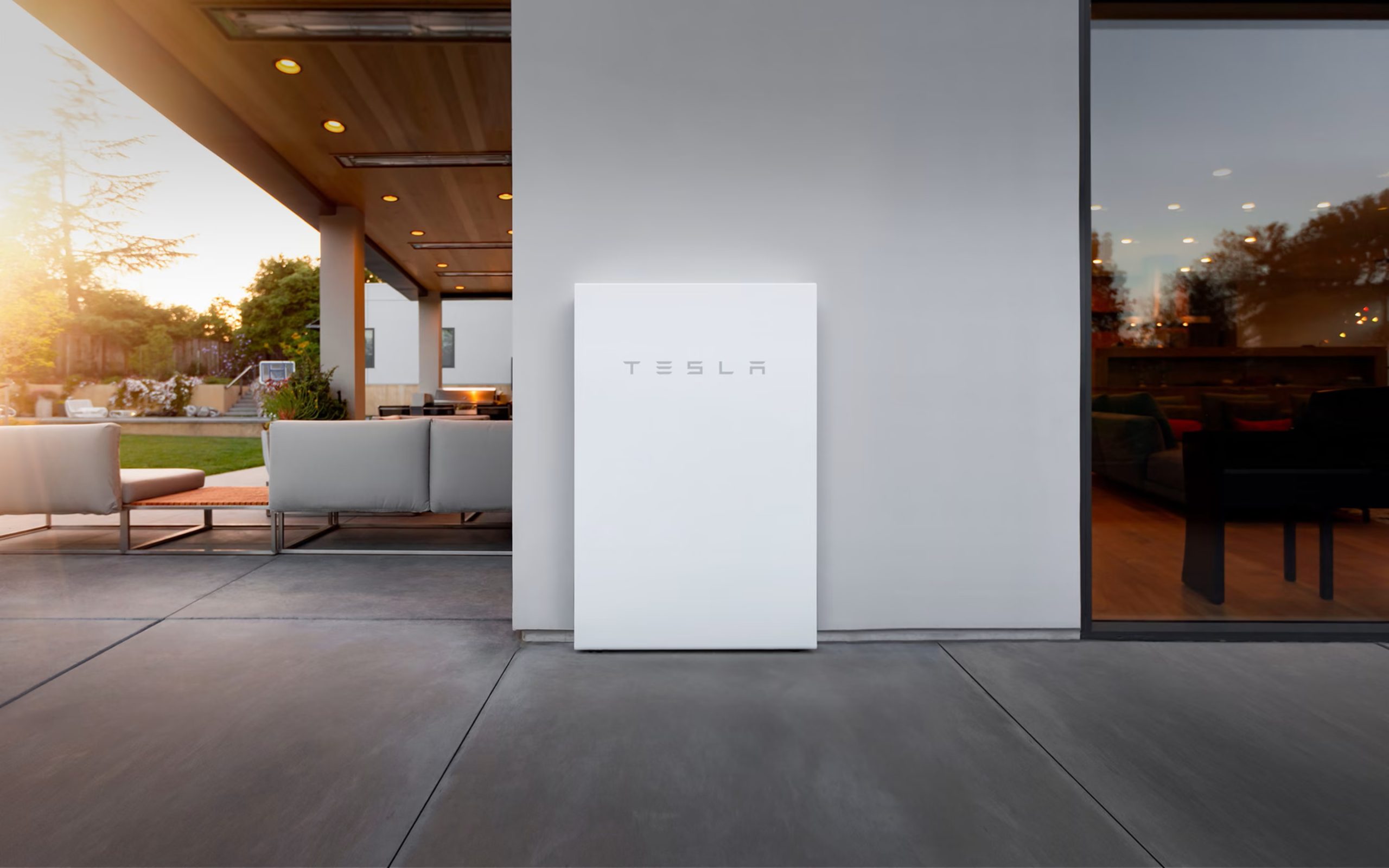
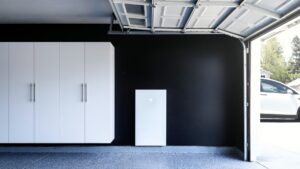
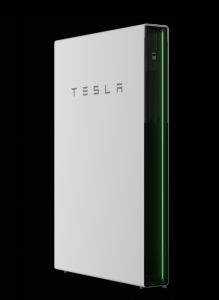
Tesla Powerwall 3 has a stated storage capacity of 13.5 kWh. Tesla lists its on grid output as up to 11.04 kW, depending on local conditions. It also has an integrated solar inverter, which may make it an option for households planning a new solar and battery installation. Tesla Support United Kingdom

Save Energy UK’s Powerwall 3 information describes the battery as suitable for indoor or outdoor installation and says it can be used with new or existing solar systems. However, the right design for an existing system depends on its inverter and other equipment. A technical assessment can confirm whether Powerwall 3 can be integrated with your current solar panels and what changes may be needed. Save Energy

Tesla also offers a Heat Pump Optimisation feature through its app. Tesla states that this feature is available when Powerwall is connected to a compatible Smart Grid Ready heat pump. This is a specific control feature. Your installer should check the heat pump model and system design before confirming whether it is available for your home. Tesla Support United Kingdom

Could Powerwall 3 suit your home?

Powerwall 3 may be worth considering if you are installing solar panels alongside your heat pump, or if you want to review how an existing solar system could work with battery storage. It could also be relevant if you want to use stored electricity at times when your panels are not generating enough for your household.

Suitability cannot be decided by battery capacity alone. Your installer will need to understand your expected electricity use, the heat pump you are considering, your roof and available space, and the design of any existing solar system. The assessment should also take account of how you want the system to operate, including whether backup power is important to you.

It is sensible to plan the solar, battery and heat pump together where possible. This gives your installer a clearer picture of how the technologies may work in your home. If you already have solar panels, provide details of your current equipment so the team can check compatibility before recommending a system.

Tesla Powerwall3

Solar and battery installation in Dorset, Poole and Bournemouth

Save Energy UK is based in Poole and has designed, installed and maintained solar PV and battery storage systems for more than 21 years. The company offers a process that includes consultation, system design, a technical survey, installation, handover and aftercare. Save Energy UK

Whether you live in Poole, Bournemouth or elsewhere in Dorset, we can discuss your plans for a heat pump and review how solar panels and battery storage might fit into your home. Every property and household is different, so our recommendations are based on your requirements rather than a standard package.

If you are planning a new solar installation, we can consider the expected demand of your heat pump as part of the system design. If you already have panels, we can review the equipment in place and discuss possible battery options. A survey helps establish the technical details before a final proposal is prepared.

Request advice about Tesla Powerwall 3

If you are planning to add a heat pump, contact Save Energy UK to discuss whether Tesla Powerwall 3 could suit your home. We can review your plans, explain the options and prepare a quotation based on your property and energy use.

Call 01202 986262 or contact Save Energy UK online to arrange a conversation with our team. We serve homeowners across Dorset, Poole and Bournemouth.


Tesla Powerwall
We supply and install Tesla Powerwall batteries to new and existing solar installations

Frequently asked questions

Can Tesla Powerwall 3 help run a heat pump?

A battery may supply some of the electricity a home uses, including electricity used by a heat pump. The amount depends on the system design, solar generation, battery charge and household demand. Your installer can assess how the battery may operate in your home.

Can I add Powerwall 3 to my existing solar panels?

It may be possible, but compatibility depends on your existing inverter and system configuration. Save Energy UK says Powerwall 3 can work with new or existing solar systems, subject to system design. A technical assessment can confirm what is suitable for your installation. Save Energy

Does Tesla Powerwall 3 work with every heat pump?

Tesla’s Heat Pump Optimisation feature requires a compatible Smart Grid Ready heat pump. This feature should not be assumed to work with every model. Check the heat pump specification and proposed system with your installer. Tesla Support United Kingdom

Could Commercial Solar Help Your Business Prepare for Flexible Energy Markets?

Electricity Costs

Businesses across Dorset and the South Coast are looking for ways to manage electricity costs and make better use of the energy available to them. Commercial solar panels can help by generating electricity on site, giving your business another way to meet its energy needs.

Flexible energy markets are creating new opportunities for some businesses to adjust when they use electricity. The National Energy System Operator’s Demand Flexibility Service, for example, allows eligible businesses to take part through registered suppliers or providers. However, installing solar panels does not automatically give a business access to these schemes. Participation depends on factors such as eligibility, metering and the arrangements offered by a supplier or aggregator. National Energy System Operator

For businesses considering their next energy investment, commercial solar can be a practical starting point. A system designed around your premises and electricity use can help you make informed decisions about on site generation, battery storage and future flexibility.

Commercial solar for businesses in Dorset and the South Coast

Save Energy UK designs and installs commercial solar systems for businesses across Dorset and the wider South Coast. Every site has different demands, from a warehouse with a large roof to an office, retail premises or farm with changing patterns of electricity use.

The right system depends on how your business operates. A survey can help establish whether your roof or available land is suitable, how much electricity you use and when demand is highest. This information helps shape a system around your premises rather than relying on a standard design.

You can find out more about commercial solar panel installation from Save Energy UK.

How solar can support a more flexible energy strategy

Solar panels generate electricity during daylight hours. Your business can use this electricity on site, reducing the amount it needs to import from the grid at those times. The value of this generation depends on how closely it matches your business’s demand.

A business that uses more electricity during the day may be able to use a greater proportion of its solar generation directly. Where generation exceeds immediate demand, some electricity may be exported, subject to the relevant connection, metering and tariff arrangements. Under the Smart Export Guarantee, eligible generators can be paid for exported electricity by a participating supplier. Rates and contract terms vary, so businesses should check the available options before making financial assumptions. Ofgem

Battery storage may also be considered as part of a wider energy system. Depending on its design, a battery can store some generated electricity for use later. It may also help a business respond to certain energy tariffs or flexibility opportunities. A battery alone does not guarantee access to a flexibility market or a particular payment. The system, supplier, provider and eligibility requirements all need to be considered.

A system designed around your premises

Commercial solar works best when the design reflects the way your business uses energy. During the assessment, Save Energy UK can consider your site layout, electricity requirements and installation goals before preparing a proposal.

The process includes an initial consultation, system design, a technical survey, installation, handover and aftercare. Save Energy UK says its commercial systems are tailored to each business, with its team working around the business’s schedule to reduce disruption. The company also works with a range of solar panel manufacturers rather than limiting every project to one brand. Save Energy UK

This planning is particularly useful if you are considering flexible tariffs or future participation in demand response schemes. A clear picture of when your business consumes electricity can help inform decisions about panel capacity, battery storage and any changes to operating patterns. It can also help you ask better questions of your energy supplier or flexibility provider.

What should your business consider before installing solar?

Before requesting a proposal, it may help to gather recent electricity bills and information about your operating hours. If your business has seasonal peaks or plans to add energy intensive equipment, mention this during the consultation.

A commercial solar assessment may consider:

  • Your site’s roof space, condition and orientation
  • Your electricity consumption and peak demand
  • The times when your business uses the most electricity
  • Whether battery storage may suit your requirements
  • The relevant export, metering and grid connection arrangements
  • Your budget and preferred installation timescale

Projected savings and generation depend on the individual site, system design, energy use and tariff. A tailored assessment is the best way to understand what may be suitable for your business. No installer can accurately promise that a system will deliver the same result for every property.

Commercial solar installation from Save Energy UK

Save Energy UK has been designing and installing solar systems since 2005. The company provides commercial solar installations across Dorset and the wider UK, with experience working on buildings including offices and warehouses. Its commercial solar page states that it is CHAS Elite accredited and offers a bespoke process from consultation through to aftercare. Save Energy UK

If your business is based in Dorset or the South Coast and you are considering solar panels, the next step is to discuss your site and energy requirements. Save Energy UK can arrange a survey and prepare a proposal based on your premises and goals.

Request a commercial solar quote from Save Energy UK to discuss your requirements.

Frequently asked questions

Can commercial solar help my business take part in flexible energy markets?

It may support a broader energy strategy, particularly when combined with suitable controls or battery storage. However, solar panels do not automatically make a business eligible for a flexibility service. Requirements vary between schemes and providers.

Does my business need battery storage?

Not necessarily. The suitability of a battery depends on your electricity use, operating hours, system design and objectives. A site assessment can help determine whether storage is worth considering.

Can my business sell unused solar electricity?

Some eligible generators may receive payment for electricity exported to the grid through an export arrangement such as the Smart Export Guarantee. Eligibility, rates and contract terms depend on the supplier and installation. Ofgem

Could Hanchu ESS Suit a Household That Wants to Expand Its Battery Capacity?

Household’s Energy

If your household’s energy needs have changed, your current battery may no longer store enough electricity for you to use when you need it. You might be using more power in the evening, planning to add an electric vehicle or simply looking for greater control over your energy use.

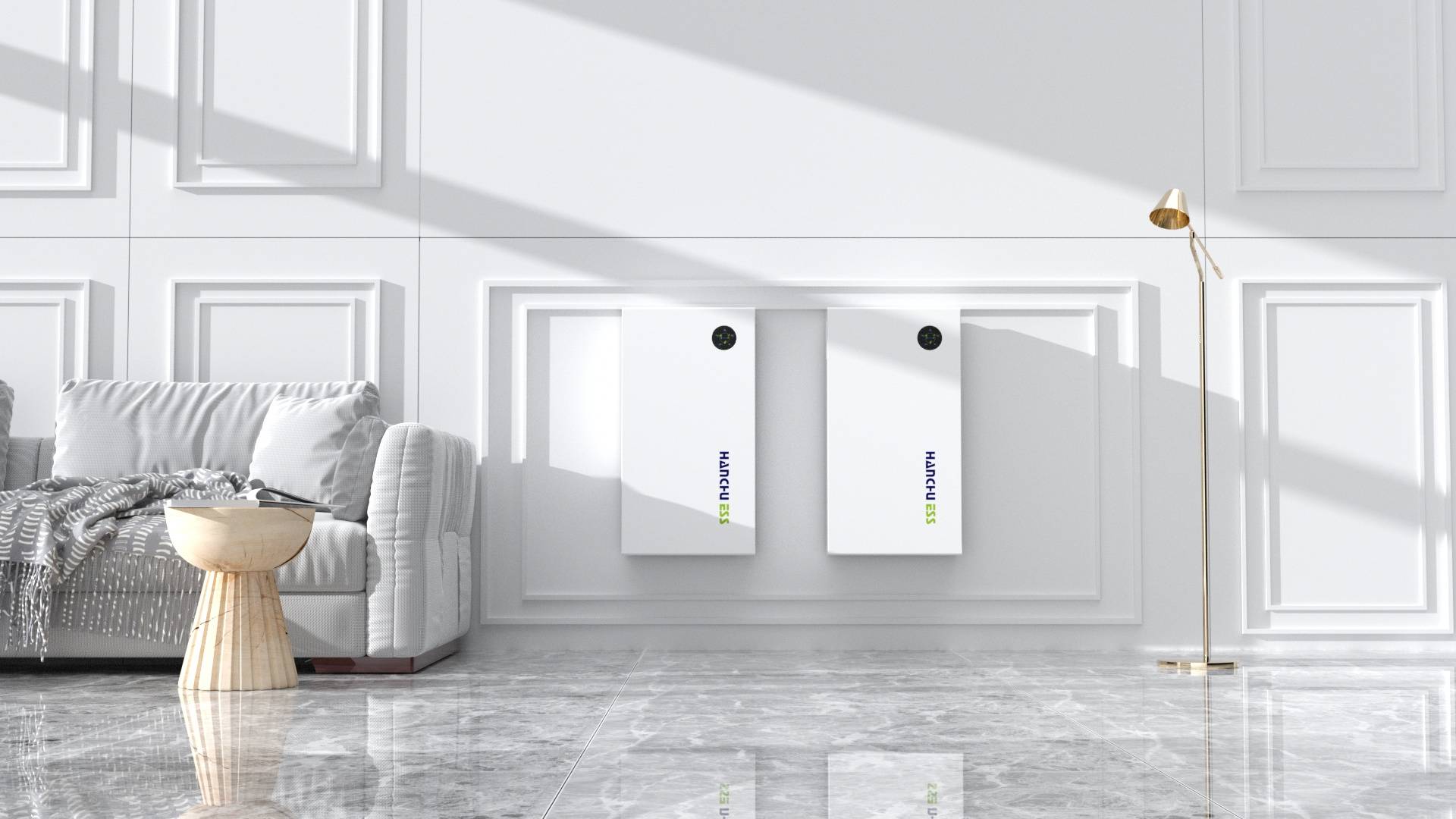
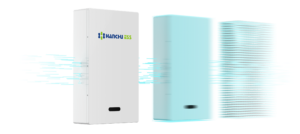
Expanding your battery capacity could be worth exploring. Hanchu ESS offers battery options listed by Save Energy UK at 5.12 kWh and 9.4 kWh, with parallel setups described for both models. Whether one can be added to your existing system depends on your current equipment and how it is configured. saveenergyuk.co.uk

When might you need more battery storage?

A battery stores electricity for use at another time. If your household regularly uses more electricity than your battery can supply, you may still need to draw power from the grid, particularly in the evening or overnight.

Your needs may have changed since your system was first installed. Perhaps you now work from home, have bought an electric vehicle or use more electricity after sunset. In these circumstances, a larger storage capacity may help you make better use of the energy your system produces.

However, a larger battery is not automatically the right choice. The best capacity depends on your electricity use, solar generation, existing equipment and budget. An assessment can help establish whether adding storage is suitable for your home.

What Hanchu ESS options are available?

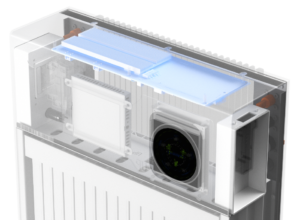
Save Energy UK lists Hanchu ESS batteries with nominal capacities of 5.12 kWh and 9.4 kWh. The company’s product information describes parallel battery setups, which may allow a system to be configured with more storage. The precise options depend on the battery model and the rest of the installation. saveenergyuk.co.uk

Battery capacity describes how much energy a battery can store. It is different from the rate at which the system can supply power to your home. Both figures matter when assessing whether a battery can meet your household’s needs.

The product specifications alone cannot confirm that a particular Hanchu battery can be added to your system. Your inverter, battery model, wiring and system configuration all need to be considered. A qualified installer can check these details and explain the options available.

Can Hanchu ESS be added to an existing solar system?

It may be possible to upgrade an existing solar system, but compatibility must be checked first. Save Energy UK says it advises on battery storage for new installations, upgrades to existing solar systems and standalone battery systems. Its team can assess your current equipment and discuss a design suited to your home. saveenergyuk.co.uk

Before recommending an expansion, an installer may need to establish:

  • The make and model of your existing battery and inverter
  • How much electricity your household uses and when
  • How much solar electricity your panels generate
  • Whether there is suitable space for additional equipment
  • What you want your system to do in the future

This assessment can help clarify whether adding Hanchu ESS storage is practical, or whether another approach would suit your property better.

Is expanding your battery capacity right for your home?

More storage may be useful if your household has a clear need for it. For example, you may want to store more of the solar electricity generated during the day for use later. A larger battery could also be relevant if your energy use has increased since your original installation.

The value of expanding your system will depend on your circumstances. Your electricity tariff, daily usage, solar generation and the cost of the proposed work can all affect the decision. Ask for a system design based on your actual energy use rather than choosing a capacity simply because it is available.

It is also sensible to think about future changes. If you expect to add an electric vehicle or another major electrical appliance, mention this during your assessment. The installer can take your plans into account when considering suitable storage.

Speak to Save Energy UK about Hanchu ESS in Dorset

Save Energy UK installs Hanchu ESS batteries and designs bespoke solar and battery systems. The company has more than 21 years of experience designing, installing and maintaining solar PV and battery storage systems across Dorset and the wider UK. saveenergyuk.co.uk

If you are considering Hanchu ESS battery capacity expansion in Dorset, contact Save Energy UK to discuss your current system and future requirements. The team can help you understand whether an upgrade is suitable and what needs to be checked before you decide.

Call 01202 986262 or email info@saveenergyuk.co.uk to arrange a conversation.

Frequently asked questions

Can I add another Hanchu battery to my existing system?

Possibly, but compatibility depends on your current battery, inverter and system configuration. Ask an installer to assess your equipment before deciding.

What Hanchu battery capacities does Save Energy UK list?

Save Energy UK lists Hanchu ESS batteries with nominal capacities of 5.12 kWh and 9.4 kWh. The available configuration depends on the system design. saveenergyuk.co.uk

Will a larger battery reduce my electricity bills?

It may help you use more stored electricity and buy less from the grid, but the result depends on your energy use, solar generation, tariff and installation costs. Savings cannot be guaranteed.

How do I find out whether an expansion would suit my home?

Contact Save Energy UK with details of your current solar and battery equipment. An assessment can establish what may be compatible and whether additional capacity makes sense for your household.