| Unit 20, Glenmore Centre, Poole, Dorset BH12 4FB | Mon–Fri 9:00am – 5:00pm
Our phone lines are currently not working. Please use our contact form or email us at info@saveenergyuk.co.uk. We apologise for any inconvenience this may cause.
01202 986262 Get a Free Quote

How Does EcoFlow Smart Energy Management Work?

EcoFlow Smart Energy Management

As more households invest in solar panels and battery storage, the question is no longer simply how much electricity a home can generate. Increasingly, homeowners want to know how that electricity can be managed intelligently, stored at the right time and used when it offers the greatest benefit.

This is where EcoFlow Smart Energy Management comes into its own. Rather than treating solar panels, battery storage and grid electricity as separate elements, EcoFlow technology can bring them together as part of a coordinated home energy system.

For homeowners in Bournemouth, Poole, Dorset and across the South Coast, this can provide a more sophisticated approach to managing household electricity. Save Energy UK can design and install EcoFlow solutions around the individual requirements of a property, helping homeowners choose a system suited to how they actually use energy.

What Is EcoFlow Smart Energy Management?

EcoFlow Smart Energy Management is designed to give homeowners greater visibility and control over the way electricity moves around their property.

A conventional solar installation generates electricity whenever sufficient daylight is available. Without battery storage, electricity that cannot be used immediately may be exported to the grid. Adding a battery allows some of this surplus energy to be stored, but smart energy management takes the concept further.

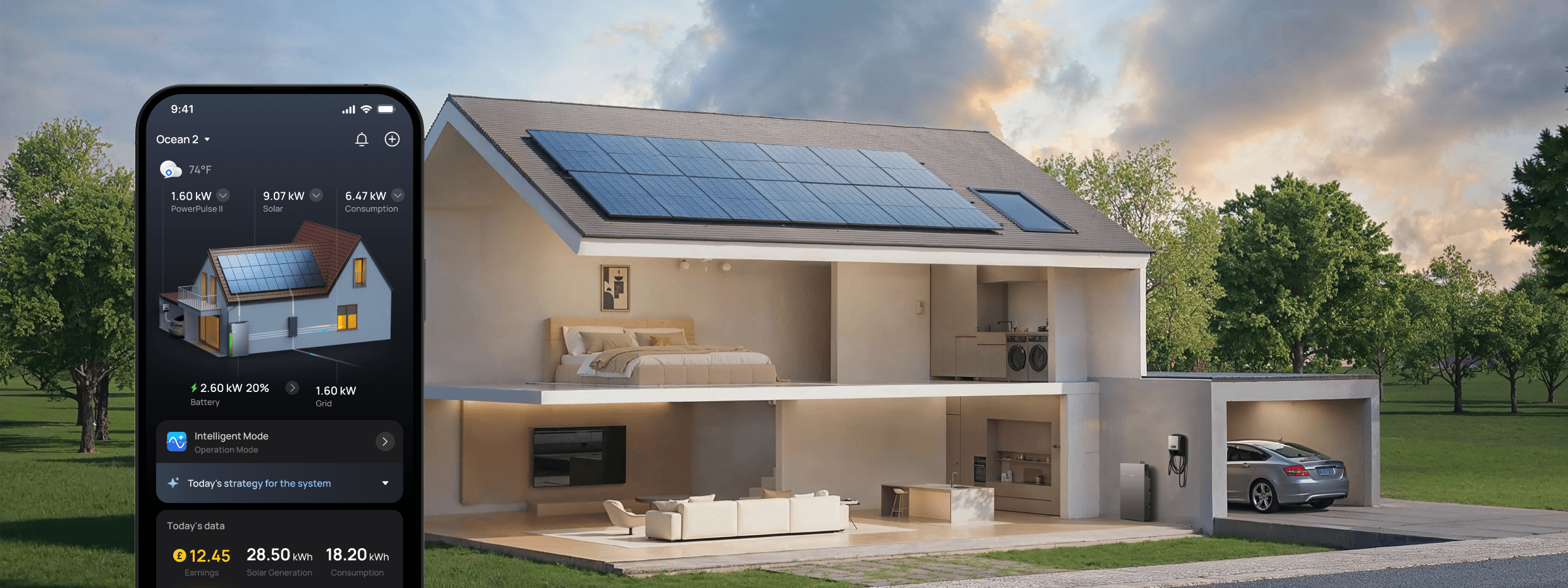
An EcoFlow home energy management system can monitor solar generation, battery storage and household consumption, helping to coordinate how available electricity is used.

The objective is straightforward: make better use of the energy available to the property.

For someone considering solar panels or battery storage, this matters because the quality of a home energy system depends upon more than the individual components. The solar array, inverter, battery and household requirements all need to work together effectively.
How Does EcoFlow Smart Energy Management Work?

In a suitably configured installation, EcoFlow Smart Energy Management continually considers what is happening across the home’s energy system.

During daylight hours, solar panels generate electricity. This electricity can be used to meet the immediate requirements of the property. When generation exceeds household demand, surplus electricity can be directed towards battery storage rather than being immediately exported.

Later, when solar generation falls or household demand increases, stored electricity can be used to help power the home. Grid electricity remains available whenever additional energy is required.

This creates an intelligent relationship between four important elements:

  • Solar generation
  • Household consumption
  • Battery storage
  • Grid electricity

The precise behaviour of the system depends upon its configuration, the equipment installed and the household’s requirements.

This is one reason professional system design is so important. A household that uses most of its electricity during the evening may require a different battery configuration from a property with consistently high daytime consumption.

Save Energy UK can assess these requirements and recommend an EcoFlow system designed around the individual property rather than taking a one size fits all approach.

How Do EcoFlow Solar Panels and Battery Storage Work Together?

Solar panels and battery storage complement one another because they address one of the fundamental challenges of domestic solar energy: electricity is not always generated at the same time that it is needed.

Imagine a home in Poole generating substantial solar electricity around midday. If nobody is home and electricity consumption is low, much of that generation may be surplus to immediate requirements.

With an appropriately designed EcoFlow solar battery system, surplus electricity can instead be stored for later use.

When the household becomes busier during the evening, stored energy can then contribute towards lighting, cooking, entertainment and other electrical requirements.

The result is a home that has the potential to consume a greater proportion of the electricity generated by its own solar panels.

Battery capacity is therefore an important consideration. An oversized battery may offer little practical benefit if the household rarely produces or consumes enough electricity to make use of it. Conversely, insufficient storage capacity could limit how much surplus solar electricity can be retained.

For homeowners considering battery storage in Dorset, a professional assessment can help establish an appropriate balance between solar generation, storage capacity and household demand.
Understanding EcoFlow PowerOcean

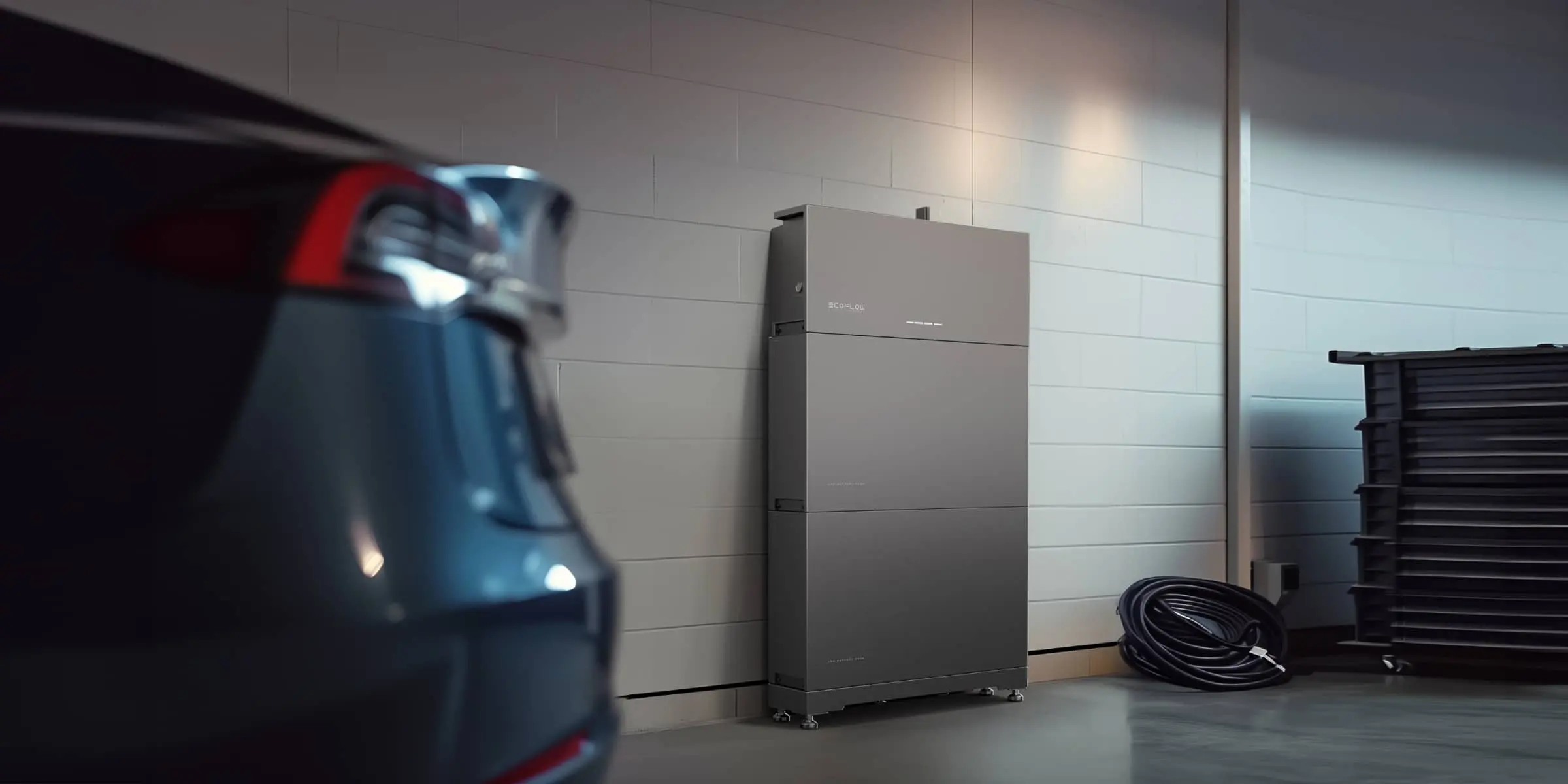
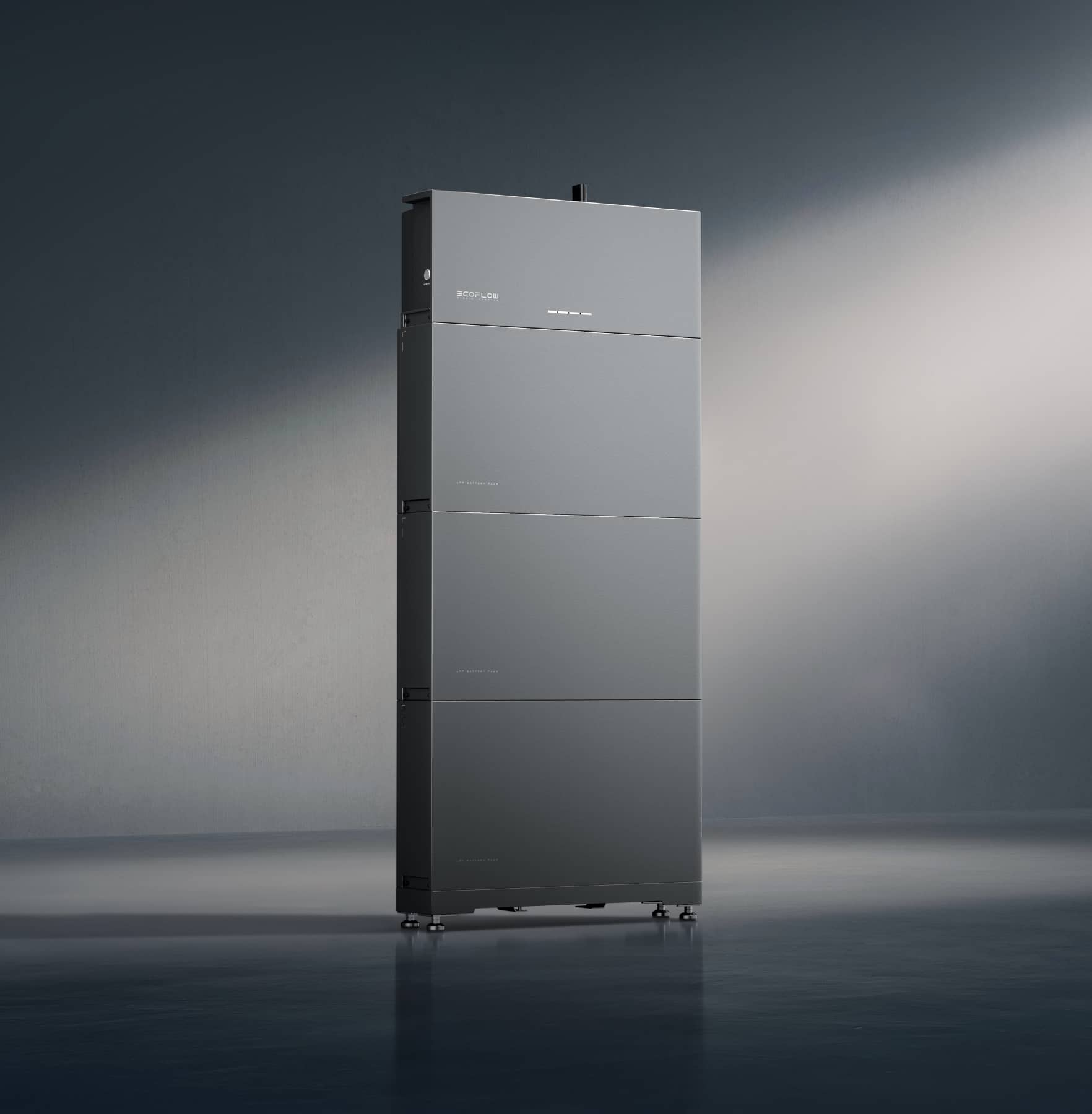
At the centre of many EcoFlow home energy installations is EcoFlow PowerOcean.

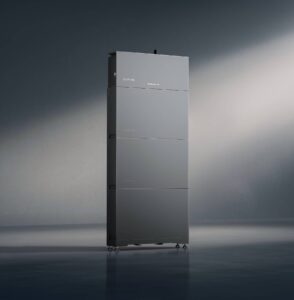
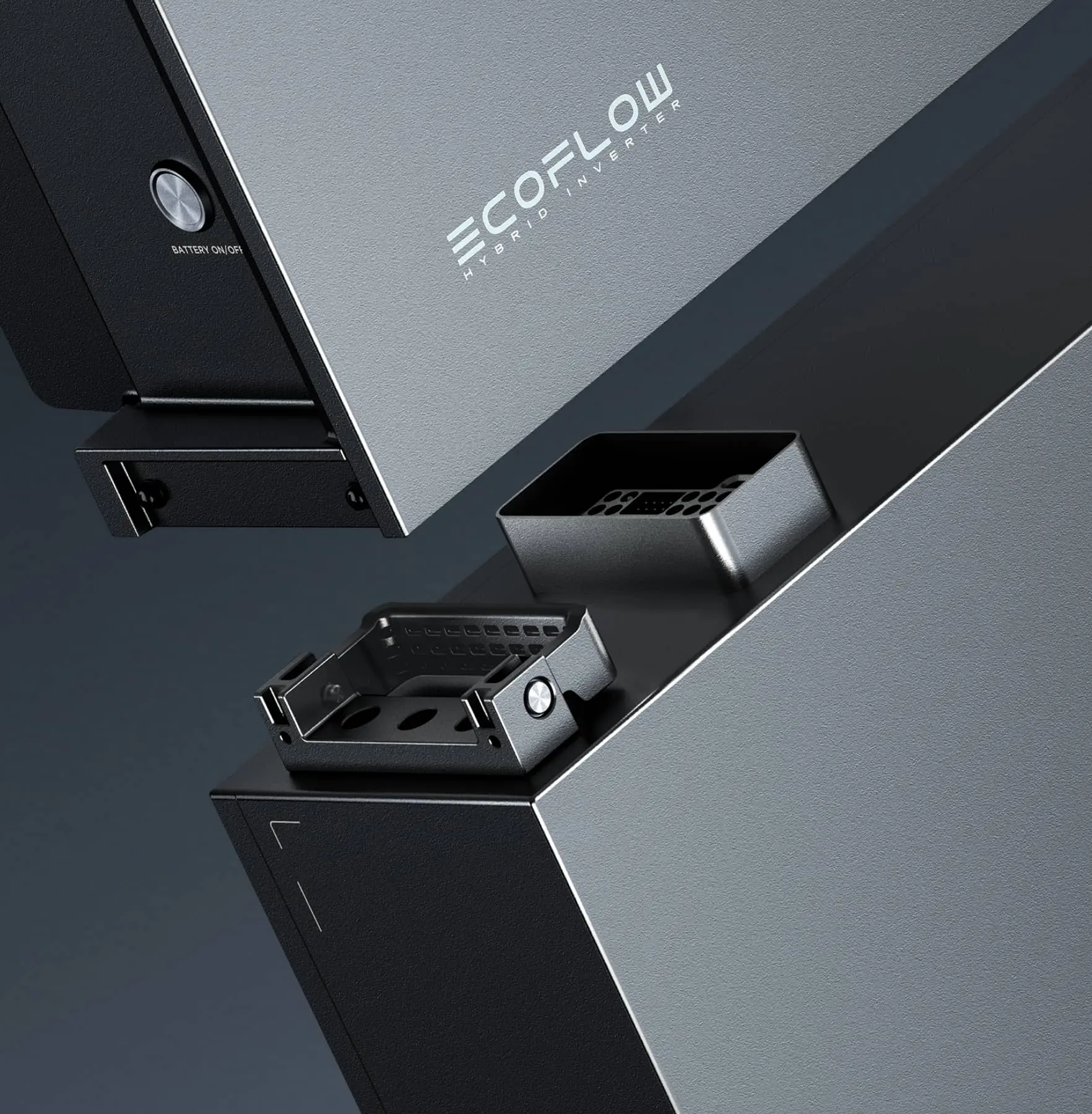
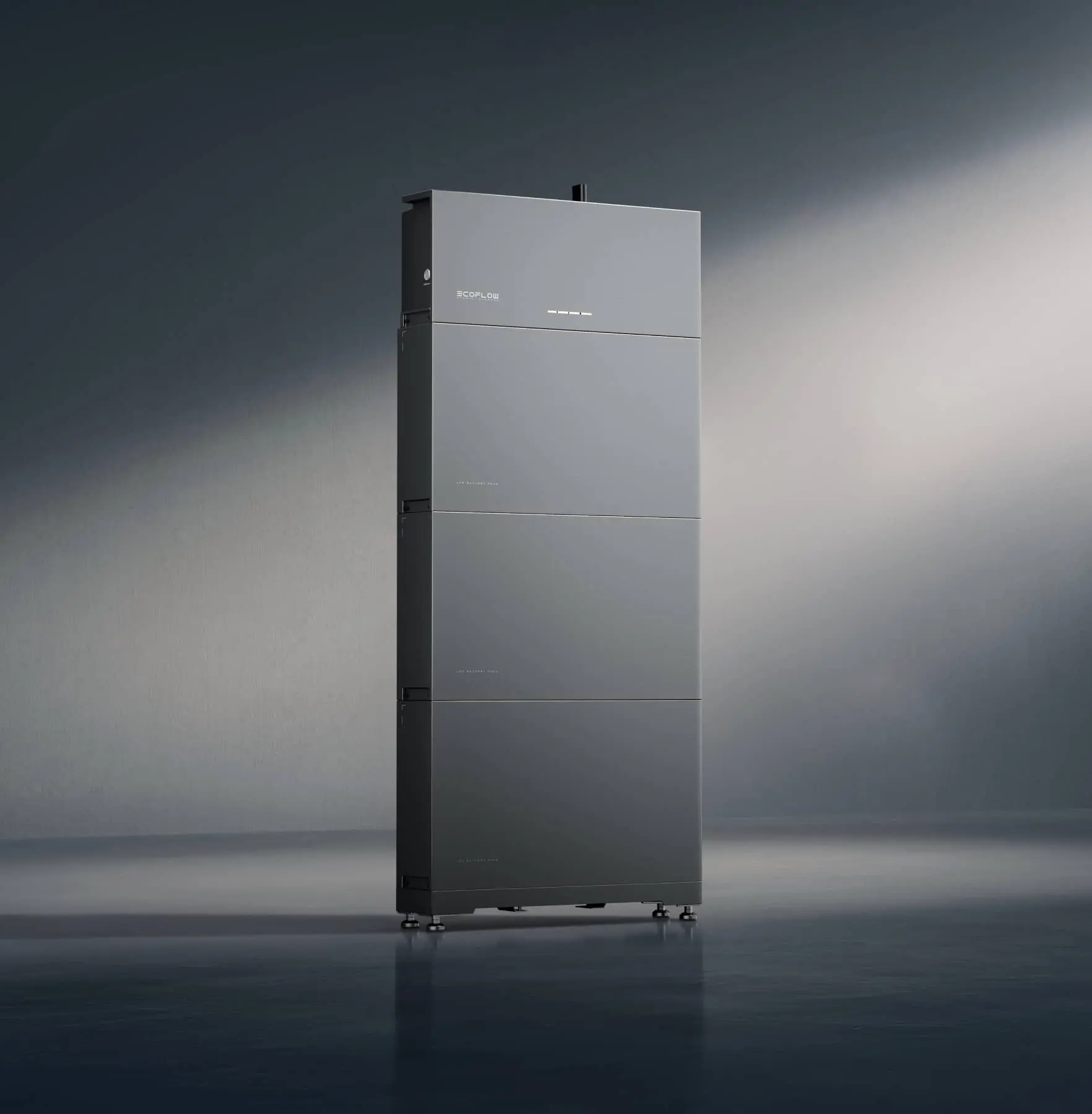
PowerOcean combines battery storage with a hybrid inverter, creating a system designed to manage solar electricity and stored energy within the home.

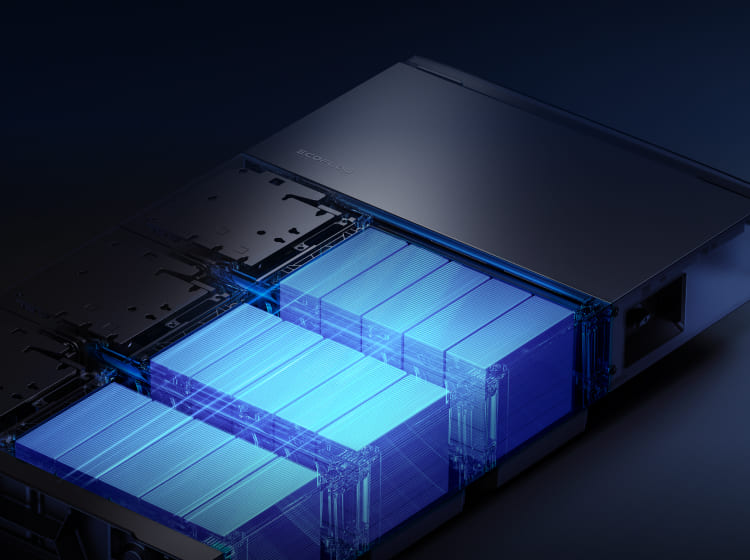
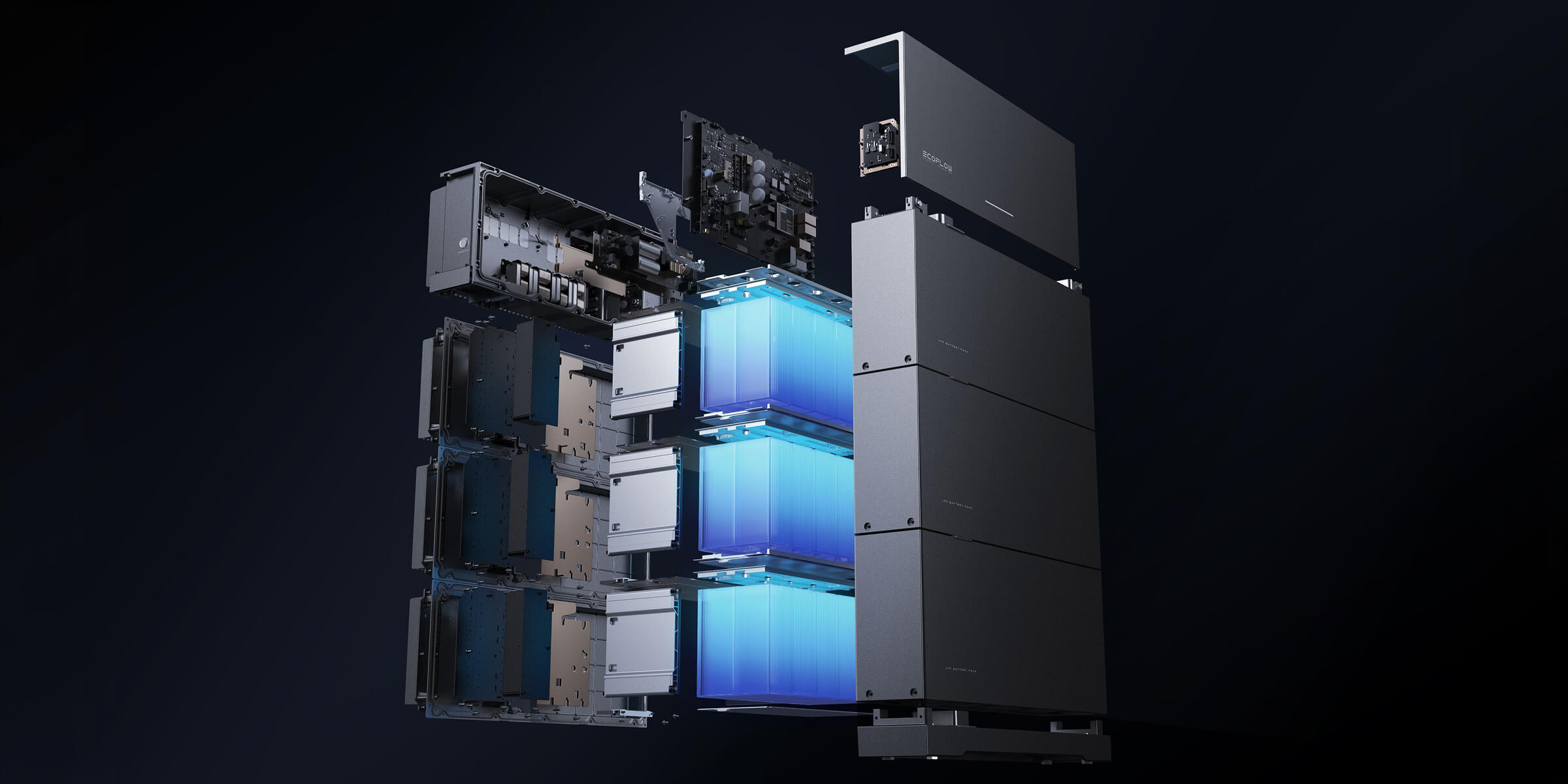
One of its particularly useful characteristics is its modular approach to battery storage. PowerOcean uses individual 5 kWh battery packs, allowing storage capacity to be configured according to the requirements of the property.

This provides greater flexibility when designing a system.

A smaller household may not require the same storage capacity as a large family home with substantial evening electricity consumption. Equally, somebody planning to purchase an electric vehicle in the future may wish to consider how their electricity requirements could change.

Save Energy UK currently offers EcoFlow PowerOcean installations and can advise on an appropriate configuration following an assessment of the property and its energy consumption.

What Is EcoFlow PowerOcean Plus?

For properties with greater or more complex electricity requirements, EcoFlow PowerOcean Plus provides another option.

PowerOcean Plus is a three phase solution capable of supporting larger solar installations and higher electricity demands. EcoFlow states that the system can accommodate up to 40 kW of solar input and provide up to 29.9 kW AC output.

For the average homeowner, the significance is not necessarily in the technical figures themselves. Rather, PowerOcean Plus demonstrates how smart energy management can be scaled for properties with considerably greater energy requirements.

This could be relevant for larger homes, properties with substantial solar arrays or households where technologies such as electric vehicle charging and heat pumps contribute to higher electricity consumption.

Choosing between PowerOcean and PowerOcean Plus should therefore be based upon the property and its requirements, rather than simply selecting the system with the highest specification.

A professional EcoFlow installer in Dorset can assess the electricity supply, available solar capacity, expected consumption and future plans before recommending the most suitable approach.
Monitoring Your Energy Through EcoFlow

An important part of smart energy management is understanding what is happening within the home.

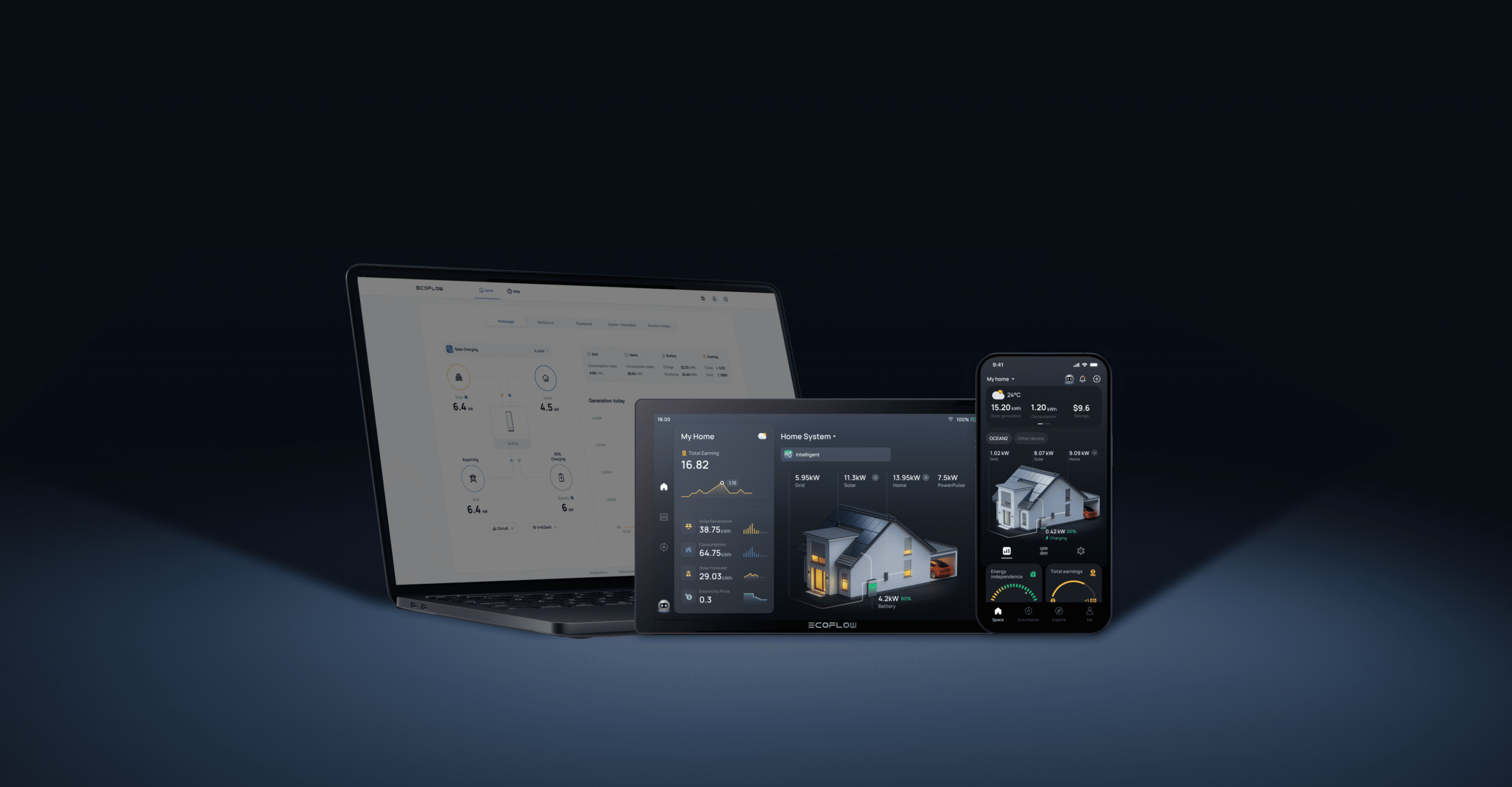
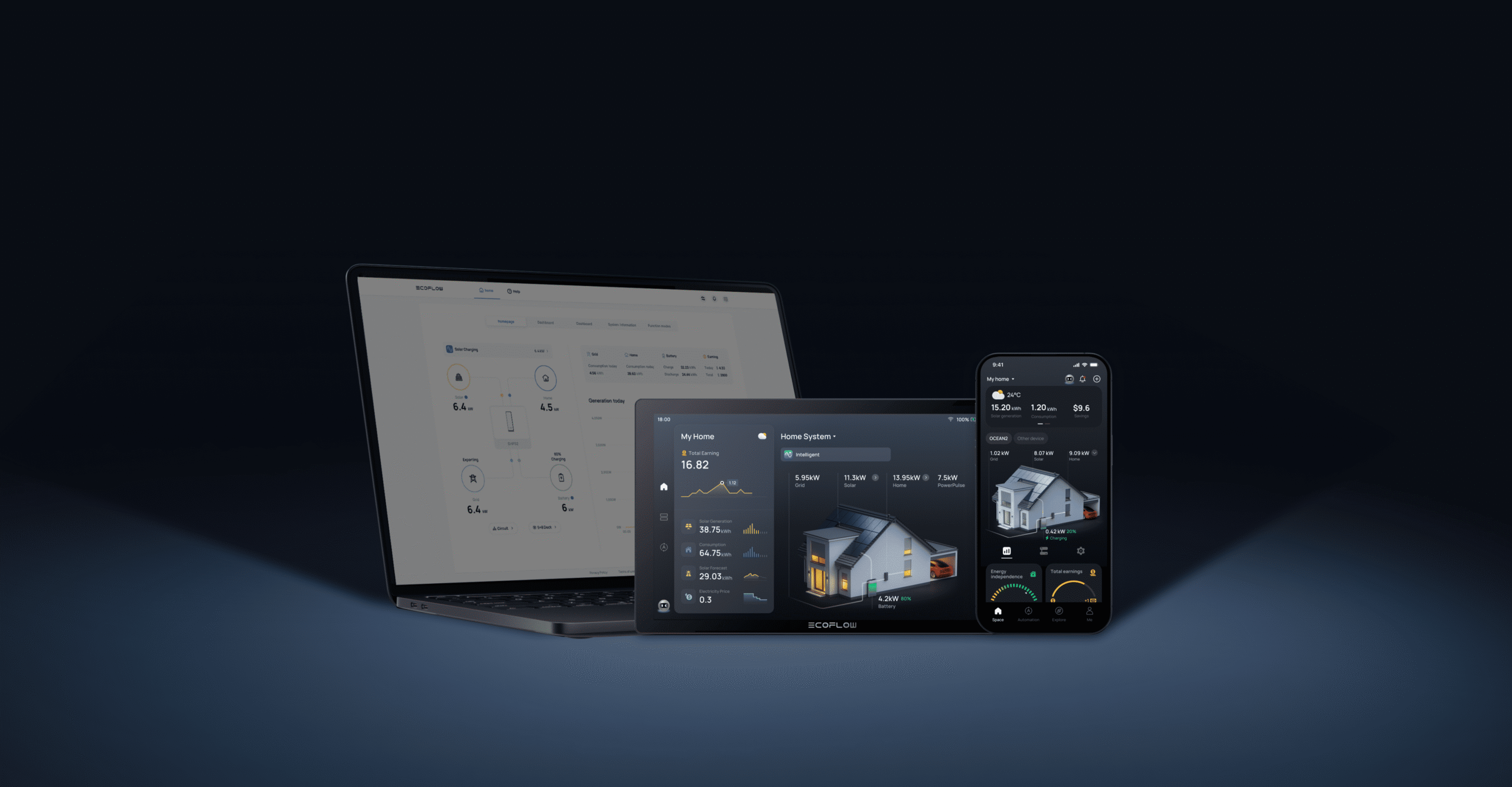
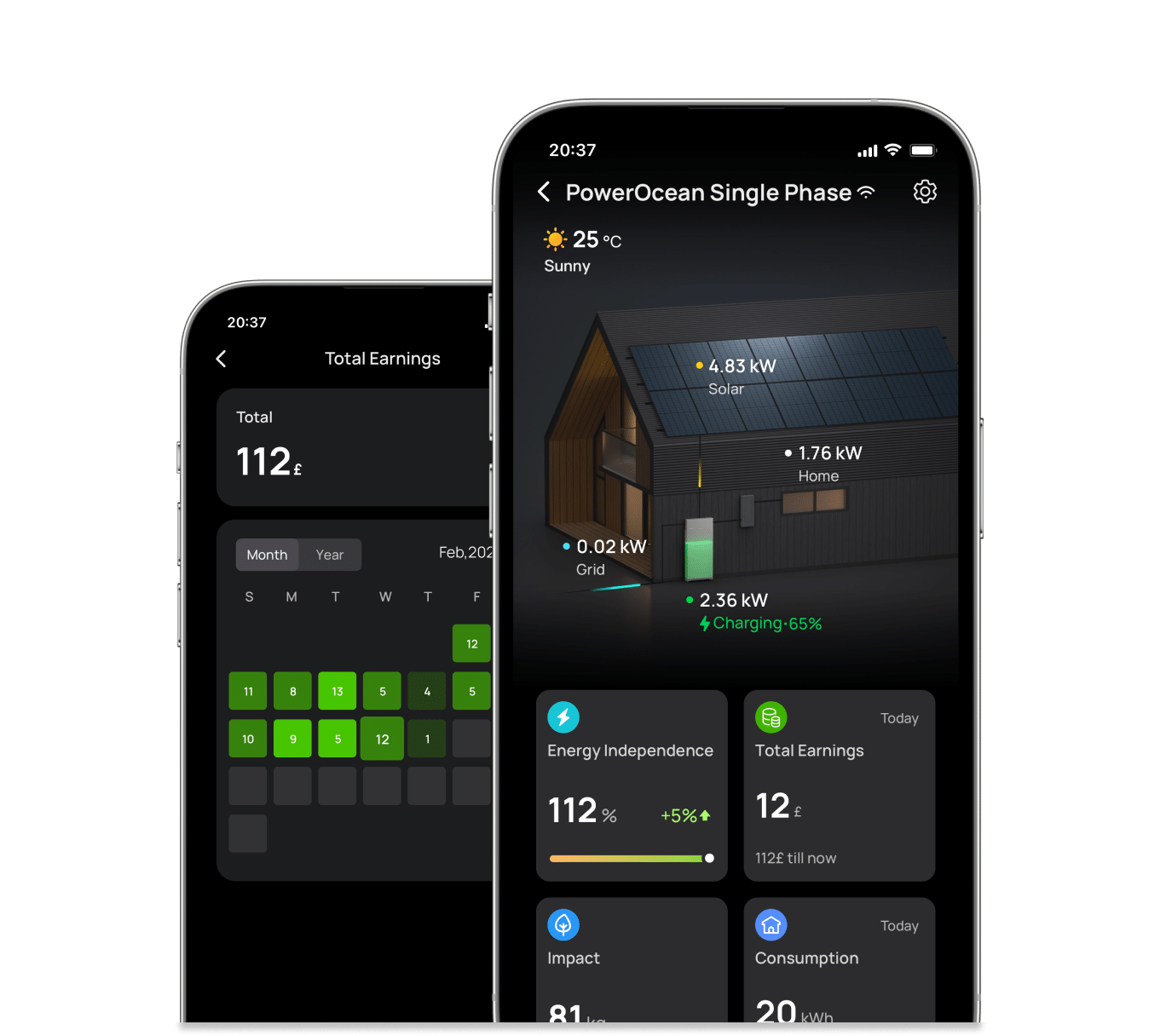
EcoFlow provides app and web based monitoring that can give homeowners visibility over areas such as solar generation, electricity consumption and battery storage.

Rather than waiting for an electricity bill to understand how much energy has been consumed, homeowners can gain a clearer picture of how their system is performing.

This information can be particularly valuable when identifying patterns.

For example, a homeowner may discover that electricity consumption rises substantially during particular periods of the day. Understanding these habits can make it easier to consider when stored energy should be used and how household consumption might be managed more efficiently.

What Does EcoFlow PowerInsight Do?

EcoFlow PowerInsight adds another layer of interaction with the home energy system.

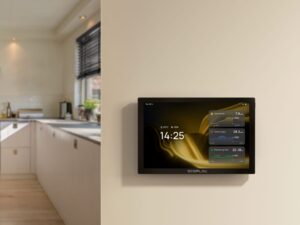
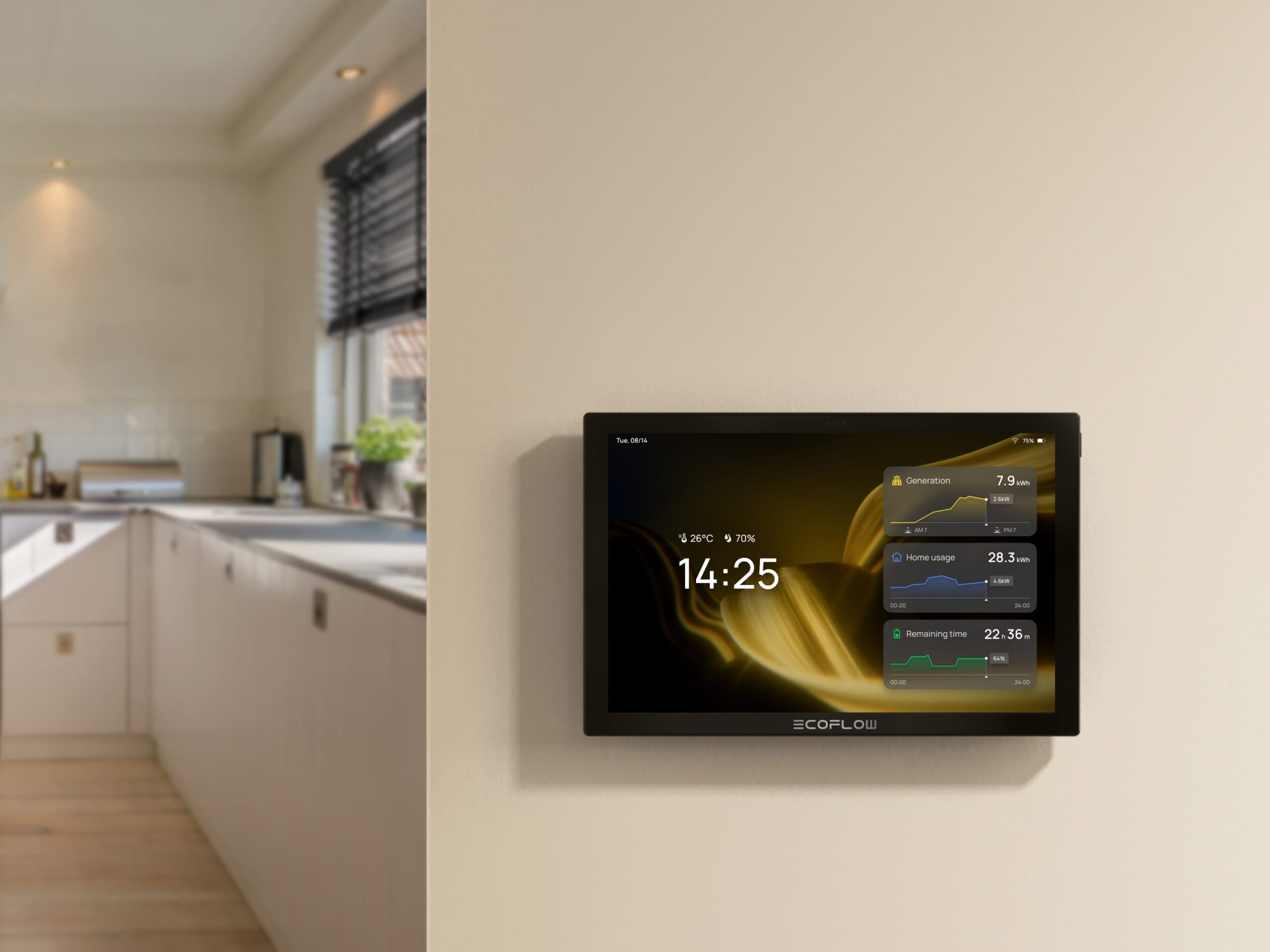
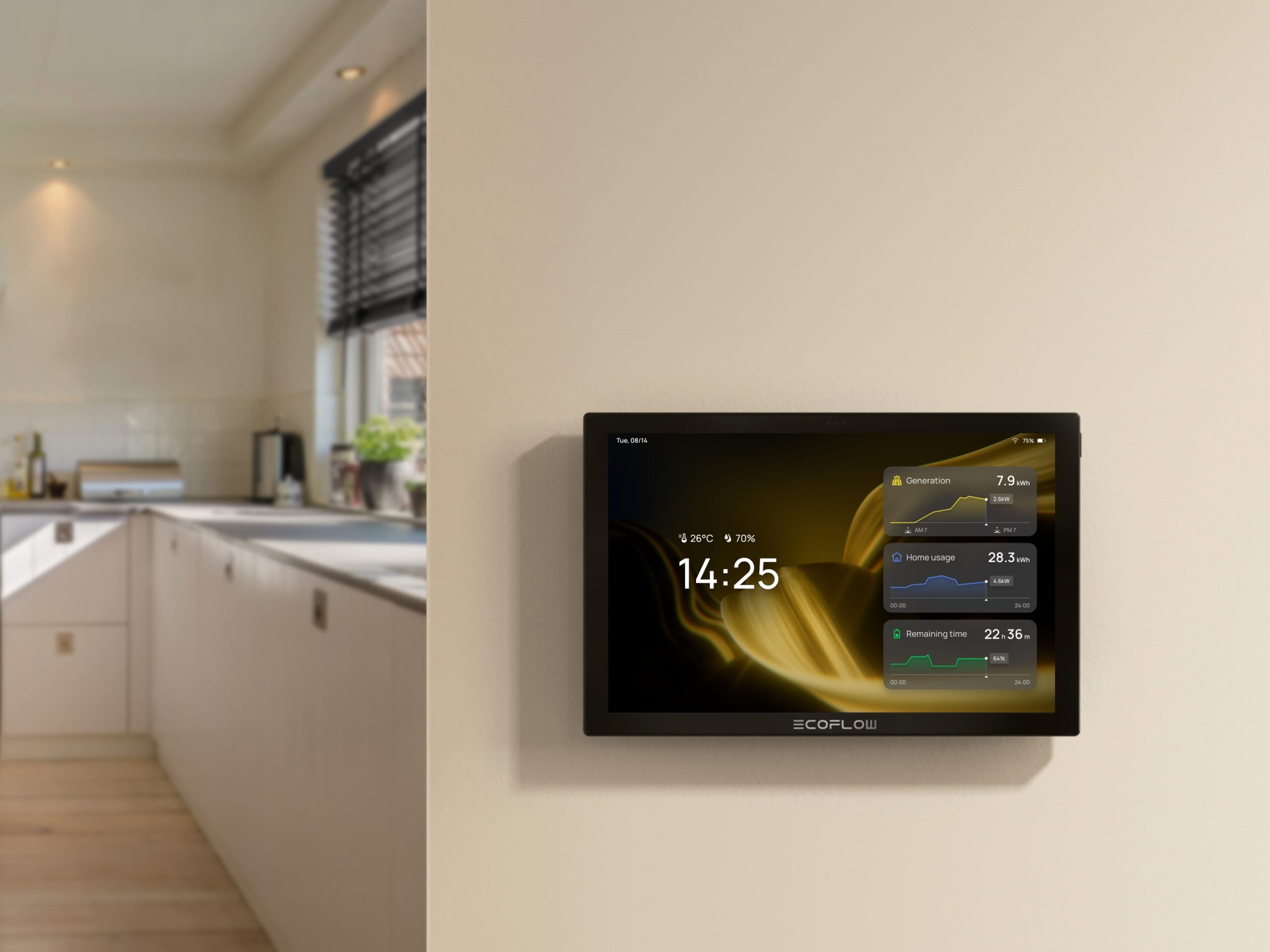
PowerInsight is a touchscreen smart energy monitor that can display information about household electricity use and interact with compatible EcoFlow and smart home technology.

It provides a convenient way to see what is happening within the energy system without relying solely upon a mobile phone.

For households building a broader smart energy ecosystem, PowerInsight can form part of a more connected approach to energy management.

The practical value is greater visibility. When homeowners can see how electricity is being generated, stored and consumed, they are better placed to understand whether their energy system is operating in the way they expect.

Can EcoFlow Work With Dynamic Electricity Tariffs?

Smart energy management becomes particularly interesting when battery storage is considered alongside modern electricity tariffs.

Some tariffs vary the price of electricity according to the time of day or prevailing market conditions. This can create opportunities for compatible systems to make more strategic decisions about when electricity is obtained from the grid.

EcoFlow offers dynamic tariff functionality designed to help users view pricing information and manage their energy accordingly.

For example, depending upon the tariff and system configuration, it may be advantageous to charge a battery using cheaper grid electricity during certain periods and retain that energy for times when electricity is more expensive.

However, savings should never be regarded as guaranteed.

The financial outcome will depend upon the property’s electricity consumption, solar generation, battery capacity, tariff structure and the way the system is configured.

If tariff optimisation is an important reason for considering battery storage, discussing this with Save Energy UK during the design stage can help ensure that your objectives are properly considered.
Can EcoFlow Manage More Than Solar and Battery Storage?

The EcoFlow ecosystem can extend beyond solar generation and batteries.

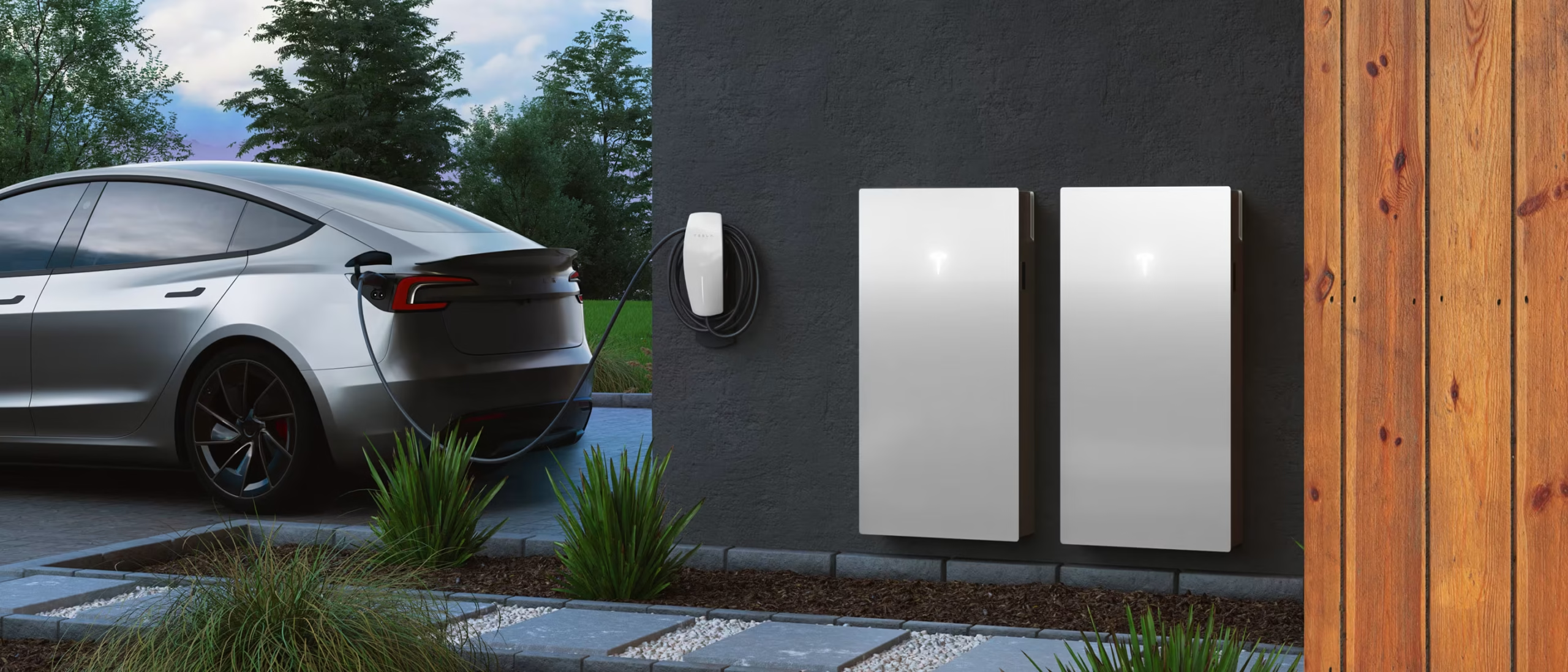
Compatible technology can include electric vehicle charging and other smart home equipment, allowing different aspects of household energy consumption to become increasingly connected.

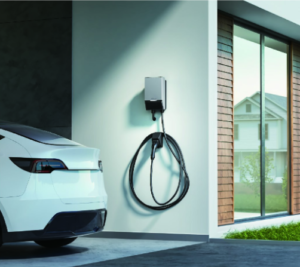
For example, EcoFlow PowerPulse 2 can integrate with PowerOcean and is designed to support intelligent electric vehicle charging. Where suitable, excess solar electricity can be prioritised for EV charging.

This can be particularly appealing to households considering how their energy requirements may change over the coming years.

A homeowner might initially be interested in solar panels in Bournemouth, but later purchase an electric vehicle or install other electrical technology. Thinking about those future requirements during the initial design process can make it easier to create an energy system with sufficient flexibility.

What Are the Benefits of EcoFlow Smart Energy Management?

The principal advantage of smart energy management is greater control over household electricity.

Depending upon the system and how it is configured, potential benefits can include:

  • Making greater use of electricity generated by solar panels
  • Storing surplus solar energy for use later
  • Reducing reliance on imported grid electricity
  • Providing clearer information about household consumption
  • Making intelligent use of compatible electricity tariffs
  • Coordinating solar generation and battery storage
  • Supporting technologies such as electric vehicle charging
  • Providing suitable backup capabilities where correctly configured

For many homeowners, the attraction is not simply installing a battery. It is creating a complete energy system in which the individual components have been selected to work effectively together.

Is EcoFlow Smart Energy Management Right for Your Home?

Whether EcoFlow is suitable for your property depends upon considerably more than the size of your roof.

Before investing in a system, it is sensible to consider your annual electricity consumption, daytime and evening usage, existing or proposed solar panels, battery requirements and electricity tariff.

Future requirements matter too.

If you are considering an electric vehicle, heat pump or another technology that could increase household electricity consumption, this should form part of the conversation when designing your system.

Your electricity supply can also influence which EcoFlow products are appropriate. Larger properties with three phase supplies and substantial energy requirements, for instance, may have different options from a conventional domestic property.

This is why speaking to an experienced installer before choosing equipment can be worthwhile.

Rather than selecting a battery solely according to capacity or price, Save Energy UK can consider how the complete system should operate within your home.

EcoFlow Installation in Bournemouth, Poole and Dorset

If you are researching an EcoFlow installer in Bournemouth, Poole or Dorset, choosing the right equipment is only part of the decision.

System design and installation can have a considerable influence on how effectively solar generation and battery storage work together.

Save Energy UK is based in Poole and provides EcoFlow PowerOcean installations alongside solar and battery solutions for homeowners across Dorset and the wider South Coast.

A professional assessment provides an opportunity to consider your electricity consumption, property, existing equipment and future energy plans before deciding upon a system.

For homeowners considering a new solar installation, the entire system can be approached as one integrated energy solution. For those who already have solar panels, battery storage and smart energy management may offer an opportunity to make more sophisticated use of the electricity being generated.

If you are considering an EcoFlow solar and battery installation on the South Coast, speak to Save Energy UK about the options available for your property and request a no obligation quotation.

Frequently Asked Questions

What is EcoFlow Smart Energy Management?

EcoFlow Smart Energy Management is an approach to coordinating solar generation, battery storage, household electricity consumption and grid energy. Compatible EcoFlow technology can monitor energy use and help manage when electricity is consumed or stored.

Can EcoFlow automatically manage solar and battery power?

Compatible EcoFlow systems can intelligently manage electricity generated by solar panels and stored within a battery. Exactly how the system operates will depend upon its configuration, installed equipment and household requirements.

Can EcoFlow PowerOcean work with solar panels?

Yes. EcoFlow PowerOcean combines a hybrid inverter with modular battery storage and is designed to operate as part of a home solar energy system. A professional installer can determine an appropriate solar and battery configuration for your property.

Can EcoFlow Smart Energy Management help reduce electricity bills?

It can potentially help households make greater use of their own solar electricity and manage stored energy more intelligently. However, actual savings vary according to solar generation, consumption, battery capacity, electricity tariffs and household behaviour.

Who installs EcoFlow PowerOcean in Bournemouth and Poole?

Save Energy UK provides EcoFlow PowerOcean installation for homeowners in Bournemouth, Poole, Dorset and across the South Coast. If you are considering EcoFlow battery storage, the team can assess your property and recommend a suitable system.

Take Greater Control of Your Home Energy With Save Energy UK

EcoFlow Smart Energy Management changes the way homeowners can think about solar and battery storage. Rather than viewing solar panels, batteries and grid electricity as separate elements, smart management allows them to operate as part of a more coordinated home energy system.

However, intelligent technology still needs intelligent design.

The appropriate solar array, inverter and battery capacity will depend upon your property, electricity consumption and future requirements. Choosing a system around those factors can help you get far more from your investment than simply selecting equipment according to headline specifications.

If you are considering EcoFlow PowerOcean, PowerOcean Plus, solar panels or battery storage in Bournemouth, Poole, Dorset or elsewhere across the South Coast, contact Save Energy UK to discuss your requirements and request a no obligation quotation.
What Should Businesses Know Before Installing EcoFlow PowerOcean?

Commercial Battery Storage

For businesses facing substantial electricity costs, investing in solar panels is often only part of the conversation. The next question is increasingly concerned with what happens to the electricity a commercial solar system generates when the building does not immediately need it.

Commercial battery storage offers an answer. Rather than exporting surplus solar electricity immediately, businesses can store energy and use it when demand increases, solar generation falls or electricity from the grid becomes more expensive.

For organisations considering this approach, EcoFlow PowerOcean presents an increasingly compelling option. The system combines solar generation, battery storage, intelligent energy management and backup capabilities within a scalable energy ecosystem. EcoFlow offers three phase configurations capable of supporting up to 60 kWh of battery capacity with one inverter, with further possibilities available through cascading system design.

However, choosing commercial battery storage should never begin with the product alone. Your electricity consumption, operating hours, existing solar installation, premises and future energy requirements should all influence the system you ultimately install.

Save Energy UK works with businesses across the South Coast and southern England to design commercial renewable energy systems around genuine energy requirements. If you are considering an EcoFlow PowerOcean installation, understanding the following points can help you make a more informed investment.

Is EcoFlow PowerOcean Suitable for Your Business?

The first consideration is whether battery storage complements the way your organisation actually consumes electricity.

Commercial buildings can have markedly different energy profiles. An office in Bournemouth may use most of its electricity between nine and five, while a hotel in Southampton could have considerable morning and evening demand. Warehouses, factories, retail premises and hospitality businesses may have different patterns again.

This is why simply choosing the largest available battery is rarely the best approach.

Save Energy UK has previously highlighted the suitability of EcoFlow battery storage for offices, warehouses, manufacturing facilities, retail premises, hotels and educational buildings. However, professional system design remains essential because every organisation has different operating hours, energy demands and plans for growth.

Before requesting an installation, it is therefore sensible to establish when your business consumes electricity, how much it uses and whether significant demand occurs outside the hours when solar panels are producing their strongest output.

Understand Your Commercial Electricity Consumption First

One of the most important stages before installing EcoFlow PowerOcean is analysing your existing electricity consumption.

Annual electricity usage is useful, but it does not tell the entire story.

Two businesses could consume exactly the same amount of electricity over twelve months yet require quite different solar and battery systems because they use that electricity at different times.

A professional commercial energy assessment can examine your consumption profile alongside existing or proposed solar generation. This allows your installer to establish when surplus electricity is likely to be available, when the battery could discharge and what capacity is likely to provide genuine commercial value.

For businesses in Poole, Bournemouth, Southampton, Portsmouth, Bristol, Reading, Brighton and elsewhere across southern England, Save Energy UK can assess these requirements before recommending an appropriate solution.

Rather than purchasing battery capacity on assumption, contact Save Energy UK to discuss your commercial electricity consumption and obtain a system recommendation based upon your actual requirements.

How Does EcoFlow PowerOcean Work with Commercial Solar Panels?

Battery storage becomes particularly valuable when it is considered as part of a wider energy strategy.

During periods of strong solar generation, your panels may produce more electricity than the building needs at that particular moment. Without suitable storage, excess generation may be exported.

A battery allows some of that electricity to be retained for later.

This can be particularly useful for businesses that continue operating into the evening. Save Energy UK notes that commercial battery storage can help sites use stored solar energy beyond daylight hours rather than relying entirely upon grid electricity later in the day.

EcoFlow also provides intelligent energy management functionality that can balance solar generation, battery storage and grid electricity. Its technology supports monitoring and management through its app, web portal and PowerInsight platform.

The commercial objective is therefore not merely to store electricity. It is to decide intelligently when that electricity offers the greatest value to your organisation.

How Much Battery Capacity Does Your Business Need?

Battery sizing deserves careful attention.

EcoFlow’s current three phase OCEAN 2 specification uses modular 5.02 kWh LFP battery units and supports up to 12 battery modules with one inverter, giving a maximum capacity of approximately 60 kWh at that level of configuration. EcoFlow also states that up to five inverters can be cascaded for on grid installations, subject to appropriate system design.

The availability of considerable storage capacity does not mean every business needs it.

The appropriate capacity should reflect factors such as:

  • Your daily and seasonal electricity consumption
  • The size and expected generation of your solar array
  • When electricity demand occurs
  • Your commercial electricity tariff
  • Peak periods of consumption
  • Your required level of backup
  • Available installation space
  • Future expansion
  • Planned EV charging or electrification

Oversizing can mean paying for capacity that your business cannot use effectively. Undersizing could leave valuable surplus solar generation unstored or provide insufficient energy when demand rises.

A tailored assessment is therefore considerably more useful than choosing a battery according to a generic package.

Can EcoFlow PowerOcean Work with an Existing Solar System?

Businesses that already have commercial solar panels may not necessarily need to replace their entire installation when considering battery storage.

EcoFlow states that its OCEAN 2 system can integrate with existing third party solar systems, making storage and backup possible without necessarily replacing the existing solar installation.

However, compatibility should be professionally assessed rather than assumed.

Your existing inverter, electrical infrastructure, solar capacity, grid connection and overall system architecture can influence what is technically appropriate.

If your business already has solar panels, Save Energy UK can assess the existing installation and determine how battery storage could be incorporated effectively.

Consider Peak Demand and Electricity Tariffs

The value of commercial battery storage extends beyond simply saving excess solar electricity.

Depending upon your tariff and system configuration, batteries can also be charged when electricity is less expensive and discharged when grid electricity becomes more costly.

Save Energy UK notes that businesses may use off peak electricity to charge batteries overnight before using stored energy during more expensive daytime periods.

For businesses with significant electricity demand, this ability to shift when grid energy is consumed can become an important part of the financial case.

The potential benefit will depend upon your tariff, consumption profile and system design, which is another reason why generic savings claims should be treated cautiously.

Think About Future Energy Requirements

A commercial solar and battery installation should not only suit your business today.

Consider where your organisation could be in five, ten or fifteen years.

You may introduce electric company vehicles, install workplace EV chargers, expand your premises, add machinery, introduce electric heating or increase operating hours.

EcoFlow PowerOcean has been designed around modular storage. EcoFlow’s three phase system currently supports up to 60 kWh with one inverter and permits cascading for larger configurations.

That scalability can be valuable where energy requirements are expected to develop.

Discussing future plans during the initial consultation allows Save Energy UK to consider them when designing your commercial energy system.

Assess the Practical Installation Requirements

Battery storage also requires careful consideration of the physical premises.

A professional survey can establish suitable equipment locations, cable routes, existing electrical infrastructure and how the battery will integrate with solar generation and the building’s supply.

EcoFlow states that its OCEAN 2 battery and three phase inverter carry an IP66 rating and can be installed indoors or outdoors in appropriate circumstances. Each battery module has a nominal capacity of 5.02 kWh and weighs 46 kg, so location and structural practicality remain genuine considerations.

The suitability of any proposed location should therefore be determined during professional system design rather than decided solely on convenience.

What About Energy Resilience?

For some businesses, the financial argument is only one part of the decision.

A power interruption can affect computers, refrigeration, communications, security equipment, machinery and other essential systems.

EcoFlow OCEAN 2 incorporates backup functionality, although the precise backup performance available to an individual business depends upon system configuration, connected loads and grid conditions. EcoFlow specifies zero millisecond grid to off grid switching under supported conditions for its current three phase system.

If continuity is particularly important to your organisation, this should be discussed during the design process. Your installer needs to understand which loads are critical rather than assuming that every circuit requires identical backup provision.

How Much Does EcoFlow PowerOcean Cost for a Business?

There is no single meaningful installation price that applies to every commercial property.

The overall investment can be influenced by battery capacity, inverter requirements, solar capacity, installation complexity, electrical work, monitoring requirements and the condition of your existing infrastructure.

A small commercial office and a substantial industrial site will naturally require different solutions.

This is why comparing battery prices alone can be misleading. The more useful question is what configuration will produce the strongest commercial case for your organisation.

Save Energy UK can prepare a tailored commercial solar and battery proposal based upon your premises, electricity consumption and objectives rather than relying upon a generic package price.

What Should Businesses Consider When Calculating ROI?

Return on investment should be approached carefully.

Commercial battery storage may create value by increasing the proportion of solar electricity consumed on site, reducing grid dependence and shifting electricity consumption away from more expensive periods.

However, the eventual financial performance of an installation depends upon numerous variables.

These include your electricity tariff, annual consumption, solar generation, battery utilisation, installation cost and how energy prices develop over time.

Businesses should therefore be wary of universal claims about savings or payback periods.

A well prepared commercial proposal should use your organisation’s own energy information wherever possible. This provides a far more credible basis for considering potential savings and long term return.

Why Choose Save Energy UK for Commercial Battery Storage?

Commercial renewable energy requires more than installing panels and batteries.

The system needs to work as a coherent whole.

Save Energy UK designs commercial solar and battery storage solutions around the individual requirements of each organisation. The company’s approach considers existing electricity usage, business objectives and future ambitions rather than relying upon standard packages.

For businesses across Bournemouth, Poole, Christchurch and the wider South Coast, as well as commercial organisations in Southampton, Portsmouth, Winchester, Salisbury, Bristol, Brighton, Reading, Guildford and London, this tailored approach can help ensure investment decisions are grounded in the realities of the site.

If you are considering EcoFlow PowerOcean, speak to Save Energy UK before deciding upon battery capacity or system configuration. A professional assessment can help establish whether the technology is appropriate for your premises and how it should form part of your wider commercial energy strategy.

Frequently Asked Questions

Is EcoFlow PowerOcean suitable for businesses?

It can be suitable for commercial premises, particularly where a business wants to combine solar generation with battery storage, intelligent energy management and greater control over grid electricity consumption. Suitability should nevertheless be established through an assessment of the individual premises and its energy profile.

How much does EcoFlow PowerOcean cost to install?

Commercial installation costs vary according to battery capacity, system configuration, existing infrastructure and the complexity of the project. Businesses should obtain a tailored quotation rather than relying upon a standard online price.

Can EcoFlow PowerOcean be added to existing commercial solar panels?

EcoFlow states that OCEAN 2 can integrate with existing third party solar systems. However, the existing installation should be professionally assessed to establish compatibility and determine the most appropriate system design.

How much commercial battery storage does my business need?

There is no universal capacity. The appropriate size depends upon electricity consumption, solar generation, operating hours, tariffs, peak demand and future energy requirements.

Can commercial battery storage reduce electricity bills?

It can help businesses reduce grid electricity purchases by storing solar generation for later use and, where suitable, shifting grid consumption towards less expensive periods. Actual savings vary considerably between businesses.

Is EcoFlow PowerOcean scalable?

Yes. EcoFlow’s current three phase OCEAN 2 system uses modular 5.02 kWh batteries and supports up to 60 kWh with one inverter. Larger system designs can make use of cascading subject to the technical requirements of the installation.

Is EcoFlow PowerOcean Right for Your Business?

EcoFlow PowerOcean offers businesses an opportunity to take greater control over how electricity is generated, stored and consumed. Its modular battery architecture, intelligent energy management and ability to integrate solar generation and storage make it an option worth considering for organisations investing in their long term energy strategy.

The crucial decision, however, is not simply whether to purchase a battery. It is determining what system will genuinely suit your organisation.

Electricity consumption, solar generation, battery capacity, operating hours, tariffs, installation requirements and future expansion should all be considered before proceeding.

Save Energy UK works with businesses across the South Coast and southern England to develop commercial solar and battery storage systems around individual energy requirements. If your organisation is considering EcoFlow PowerOcean, contact Save Energy UK to arrange an assessment, discuss the options available and request a tailored quotation for your premises.

What Size EcoFlow Battery Do I Need for My Home?

Renewable Energy

Choosing the right battery storage system is one of the most important decisions homeowners make when investing in renewable energy. Whilst many people focus on the number of solar panels installed on their roof, the battery itself plays an equally significant role in reducing electricity bills, increasing energy independence and providing reliable power when it is needed most.

However, there is no single battery size that suits every property. The ideal EcoFlow battery depends on how much electricity your household uses, whether you already have solar panels, your future energy plans and how you want to use stored energy.

Whether you are installing battery storage alongside a new solar system or purchasing an EcoFlow battery before adding solar panels later, selecting the correct capacity helps you achieve the best balance between performance, value and long term savings.

For homeowners across Dorset and the South Coast, understanding these factors can make choosing the right system far simpler.

Why Choosing the Right Battery Size Matters

Battery storage is designed to capture electricity for use when your home needs it most. If you have solar panels, the battery stores surplus electricity generated during the day instead of allowing it to be exported to the National Grid. Later, when the sun has gone down, your home can use this stored energy instead of purchasing electricity from your supplier.

Even without solar panels, an EcoFlow battery can still reduce electricity costs. Many homeowners charge their battery overnight using lower off peak electricity tariffs before using that stored energy during more expensive daytime periods.

In both situations, choosing the correct battery size has a direct impact on your overall savings.

A battery that is too small may become fully charged before all available energy has been stored. It may also become empty before the end of the evening, forcing you to purchase electricity from the grid.

Conversely, a battery that is significantly larger than your household requires may leave much of its storage capacity unused for long periods. Whilst future proofing is sensible, installing substantially more capacity than you currently need may increase upfront costs without delivering proportional financial benefits.

Selecting the right size helps maximise self consumption, improve your return on investment and ensure your system performs efficiently throughout the year.

What Determines the Right EcoFlow Battery Size?

Every household uses electricity differently. Two similar properties can have completely different energy requirements depending on the people living there and how they use electricity each day.

Several important factors influence the ideal battery size.

Daily Electricity Consumption

Perhaps the most significant consideration is how much electricity your home uses every day.

Electricity consumption is measured in kilowatt hours. Your electricity bill or smart meter can usually provide this information.

A household using 8 kilowatt hours each day requires a very different battery from one consuming 25 or 30 kilowatt hours.

The more electricity your family uses, particularly during the evening when solar panels are no longer producing energy, the larger the battery capacity is likely to be.

The Size of Your Solar Panel System

If your battery will work alongside solar panels, the amount of electricity your panels generate also influences the most appropriate battery size.

A modest solar installation may not consistently produce enough surplus electricity to fully charge a very large battery.

Likewise, a substantial solar array may regularly generate excess electricity that could be stored rather than exported.

Matching battery capacity to expected solar generation helps maximise the amount of renewable electricity your household can use.

Household Occupancy

The number of people living in your home often affects electricity demand.

Larger families generally use more lighting, appliances, entertainment systems, hot water and electrical devices throughout the day.

However, occupancy alone should never determine battery size.

A retired couple spending most of the day at home may consume more electricity than a family whose property remains empty during working hours.

Understanding actual energy consumption always provides a more accurate picture than simply counting bedrooms or occupants.

Your Future Plans

Battery storage should not only meet your current needs.

It should also consider how your household may change over the coming years.

For example, you may be planning to purchase an electric vehicle, install a heat pump or increase your solar panel capacity.

Each of these additions increases electricity demand.

Choosing a modular battery system can make future expansion much simpler without replacing the original installation.

Understanding Battery Capacity and Power Output

Many homeowners assume every battery specification measures the same thing.

In reality, two different figures are equally important.

Battery capacity refers to how much electricity the battery can store.

This is measured in kilowatt hours.

The larger the kilowatt hour capacity, the more electricity the battery can hold for later use.

Power output, meanwhile, measures how much electricity the battery can deliver at any one time.

This is measured in kilowatts.

For example, a battery with a high storage capacity may hold enough electricity to power your home throughout the evening, whilst its maximum output determines how many appliances can operate simultaneously.

Understanding the difference helps homeowners compare battery systems more accurately and choose equipment suited to their lifestyle.

The EcoFlow Ocean 2

The EcoFlow Ocean 2 has become an increasingly popular choice for homeowners looking for flexible home battery storage.

One of its greatest advantages is its modular design.

Rather than forcing homeowners to install all their battery capacity at once, the system allows additional storage to be added as household energy demands increase.

This flexibility suits many modern households.

You may begin with a system that comfortably supports your existing electricity usage before expanding it later if you purchase an electric vehicle, install additional solar panels or introduce a heat pump.

The system also integrates seamlessly with residential solar installations, allowing homeowners to store surplus renewable electricity for use during the evening.

If solar panels are not yet installed, the battery can still charge from the National Grid during lower cost off peak periods, helping reduce electricity costs before renewable generation is added.

Another important consideration is reliability.

The EcoFlow Ocean 2 benefits from a comprehensive 15 year warranty, providing homeowners with confidence that their investment has been designed for long term performance.

Combined with intelligent energy management technology, this makes the system suitable for households seeking greater energy independence whilst preparing for future changes in electricity consumption.

Can You Install an EcoFlow Battery Without Solar Panels?

Many people assume battery storage only makes sense when paired with solar panels.

In reality, that is not always the case.

An EcoFlow battery can provide immediate benefits even before solar panels are installed.

Many electricity suppliers now offer tariffs with lower overnight rates.

Homeowners can charge their battery during these cheaper periods before using that stored electricity throughout the following day when electricity prices are higher.

This approach allows households to reduce their reliance on expensive peak rate electricity whilst preparing for future solar installation.

When solar panels are eventually added, the battery simply becomes even more effective by storing renewable electricity generated on site.

For homeowners planning renewable energy improvements over several years, installing battery storage first can therefore be a practical and flexible solution.

Typical Battery Sizes for Different Homes

Whilst every property should receive an individual assessment, the following examples provide a useful starting point.

A smaller one or two bedroom home with modest electricity usage may benefit from a relatively compact battery that comfortably stores enough energy to meet evening demand.

An average family home with three or four occupants often requires greater storage capacity to support lighting, cooking, entertainment systems and everyday appliances after sunset.

Larger households with electric vehicles, heat pumps or particularly high electricity consumption usually benefit from increased battery capacity to maximise self consumption and reduce reliance on the National Grid.

These examples should always be treated as general guidance rather than fixed recommendations. Every property uses electricity differently, making a professional assessment the most reliable way to determine the correct EcoFlow battery size.

How to Estimate the Right Battery Size for Your Home

Although every property is different, you can make a sensible estimate of the battery capacity you may require before arranging a professional survey.

Review Your Electricity Bills

Your annual electricity bill provides one of the best starting points. Most suppliers show your yearly electricity consumption in kilowatt hours.

Divide this figure by 365 to estimate your average daily electricity usage.

For example, if your home uses approximately 4,380 kilowatt hours each year, your average daily consumption is around 12 kilowatt hours.

This gives a useful indication of the battery capacity that may suit your household.

Consider When You Use Electricity

Daily consumption only tells part of the story.

It is equally important to understand when your home uses electricity.

Many households consume relatively little energy during working hours before demand increases significantly during the evening.

Cooking, lighting, televisions, computers, washing machines and charging devices often place the greatest demand on the battery after sunset.

A battery that stores enough electricity to cover these evening hours often provides the greatest financial benefit.

Look at Your Solar Generation

If you already have solar panels, your installer can review how much surplus electricity your system typically produces.

The aim is to size the battery so it captures as much unused solar electricity as possible without installing unnecessary capacity that remains empty for much of the year.

A well matched system allows homeowners to increase self consumption and reduce electricity purchased from the National Grid.

Think About Future Electricity Demand

Many homeowners underestimate how quickly their electricity requirements can change.

Perhaps you intend to purchase an electric vehicle within the next few years.

You may be considering a heat pump or extending your property.

Family circumstances may also change, increasing daily electricity usage.

Planning for reasonable future demand often makes more sense than designing a system purely around today’s requirements.

The modular design of the EcoFlow Ocean 2 allows homeowners to increase storage capacity later, making future expansion far simpler than replacing an undersized battery.

Can an EcoFlow Battery Provide Backup Power?

Many homeowners also choose battery storage because they want greater protection during power cuts.

The EcoFlow Ocean 2 can provide backup power when configured appropriately as part of a professionally designed installation.

This allows selected household circuits to continue operating if the National Grid experiences an outage.

The amount of time backup power remains available depends on several factors, including battery capacity and the appliances drawing electricity.

Essential equipment such as lighting, refrigeration, internet routers and selected sockets may continue operating for significantly longer than high demand appliances such as electric showers or ovens.

Discussing your backup priorities during the design stage allows your installer to recommend the most suitable configuration for your home.

Why a Professional Assessment Makes All the Difference

Online battery calculators can provide useful estimates, but they rarely consider every aspect of your household.

Professional installers evaluate your electricity usage, solar generation, future plans and property layout before recommending an appropriate battery capacity.

This creates a system tailored specifically to your home rather than relying upon broad assumptions.

At Save Energy UK, every recommendation is based on the individual needs of the property and the people living there.

Whether you already have solar panels or are beginning your renewable energy journey with battery storage, professional advice helps ensure your investment delivers lasting value.

Conclusion

Choosing the right EcoFlow battery is about understanding how your home uses electricity both today and in the years ahead.

Daily energy consumption, solar generation, household occupancy and future plans all influence the most suitable battery capacity.

The EcoFlow Ocean 2 offers homeowners exceptional flexibility through its modular design, allowing storage capacity to grow alongside changing energy requirements. Combined with its impressive 15 year warranty, intelligent energy management and ability to charge from both solar panels and off peak electricity tariffs, it provides a practical long term solution for many households.

If you are considering an EcoFlow battery for your home in Dorset or anywhere across the South Coast, the best place to start is with a professional assessment. A tailored recommendation ensures your system matches your energy needs, helping you reduce electricity bills, increase energy independence and make the most of every unit of electricity your home generates or stores.

Frequently Asked Questions

What size EcoFlow battery does the average home need?

There is no universal answer because every household uses electricity differently. Most homes benefit from a battery sized according to daily electricity consumption, evening energy use, future plans and whether solar panels are installed.

Can I install an EcoFlow battery without solar panels?

Yes. An EcoFlow battery can charge using lower cost off peak electricity before supplying stored energy during more expensive periods. Solar panels can also be added later.

Can I increase the battery size in the future?

Yes. The EcoFlow Ocean 2 features a modular design that allows additional battery capacity to be installed as your energy requirements increase.

Why Does EcoFlow Offer a 15 Year Warranty on the Ocean 2 System?

Commercial Solar Battery Storage

Investing in commercial solar battery storage requires careful consideration. A battery system is expected to support a business for many years, often operating every day while managing considerable volumes of electricity. Understandably, business owners, property managers and energy professionals want reassurance that the technology they choose has been designed for sustained performance.

The 15 year warranty offered with the EcoFlow OCEAN 2 is therefore a significant feature. It reflects the manufacturer’s confidence in the system’s battery chemistry, protective engineering, intelligent controls and long term durability. EcoFlow states that the OCEAN 2 uses lithium iron phosphate battery cells designed to achieve more than 10,000 battery cell cycles, alongside a comprehensive warranty lasting 15 years.

For businesses across Dorset and the South Coast, this extended warranty may provide valuable reassurance when evaluating the financial and operational merits of battery storage. However, warranty eligibility can depend upon the chosen system, its intended application, correct installation and compliance with EcoFlow’s current conditions. Commercial customers should therefore confirm the precise coverage available for their project before proceeding.

Why Does EcoFlow Offer a 15 Year Warranty on the OCEAN 2?

EcoFlow can offer a 15 year warranty on the OCEAN 2 because the system has been engineered around durable lithium iron phosphate battery cells, sophisticated battery management, environmental protection and continuous performance monitoring. Together, these features are intended to reduce excessive battery stress, control operating temperatures and protect the equipment from conditions that could shorten its working life.

The warranty is not simply a statement about how long the battery may remain operational. It represents confidence in an integrated energy storage system where the battery cells, inverter, software and protective mechanisms work together.

In practical terms, EcoFlow is able to support such a lengthy warranty because the OCEAN 2 has been designed to manage many of the factors that commonly contribute to premature battery deterioration.

Why Does the Battery Chemistry Matter?

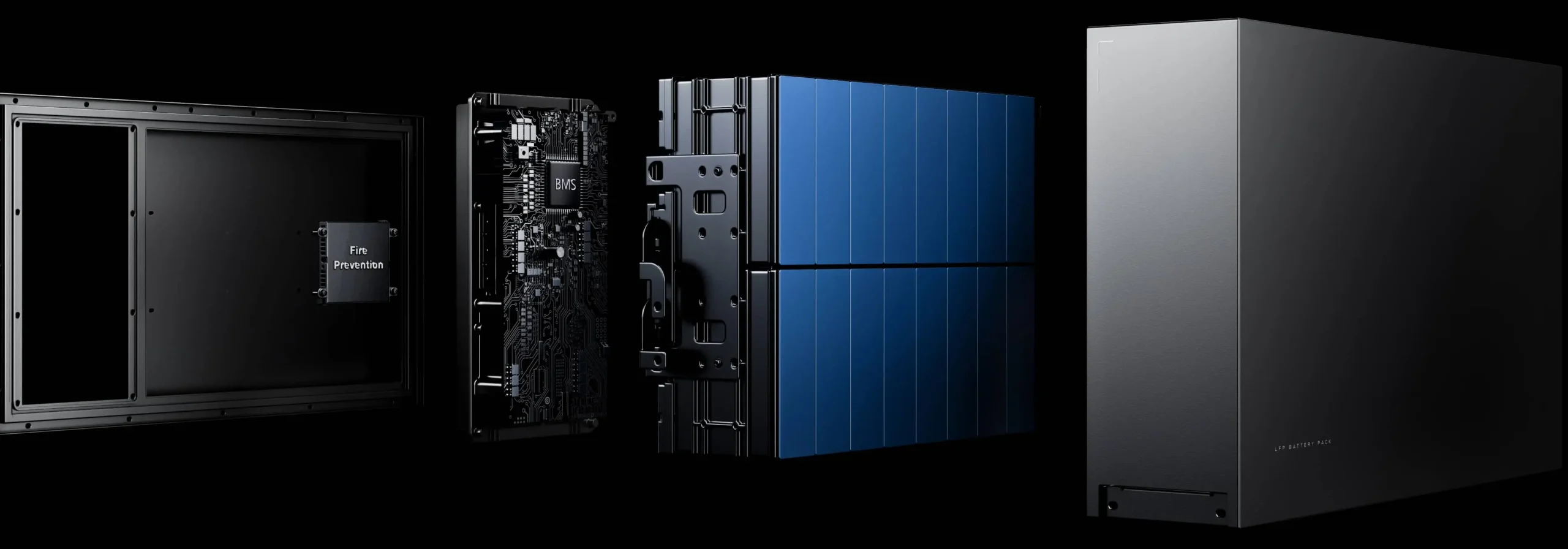
At the heart of the EcoFlow OCEAN 2 is lithium iron phosphate battery technology, commonly known as LFP or LiFePO4.

Battery chemistry has a considerable influence on safety, stability, lifespan and everyday performance. Different lithium battery chemistries offer different advantages. Some place greater emphasis on energy density, while others prioritise thermal stability and cycle life.

LFP chemistry is widely used within modern stationary energy storage because it is well suited to repeated charging and discharging. EcoFlow states that the OCEAN 2 uses new LFP battery packs capable of more than 10,000 battery cell cycles.

A cycle broadly refers to the use and replenishment of the battery’s stored energy. This does not necessarily mean that the battery must be discharged completely each time. Several partial discharges can collectively amount to a full cycle.

For a business using solar panels and battery storage throughout the year, cycle durability is particularly important. The battery may charge using surplus solar electricity during daylight hours and discharge when the building’s demand rises or electricity becomes more expensive. This process can occur frequently, meaning the underlying battery cells must be capable of tolerating repeated use without deteriorating too rapidly.

The projected cycle capability of the OCEAN 2 is one of the principal technical reasons why EcoFlow can offer a warranty extending across 15 years.

Intelligent Battery Management Protects Long Term Performance

Durable battery cells alone are not enough to produce a dependable commercial energy storage system. They must be managed carefully.

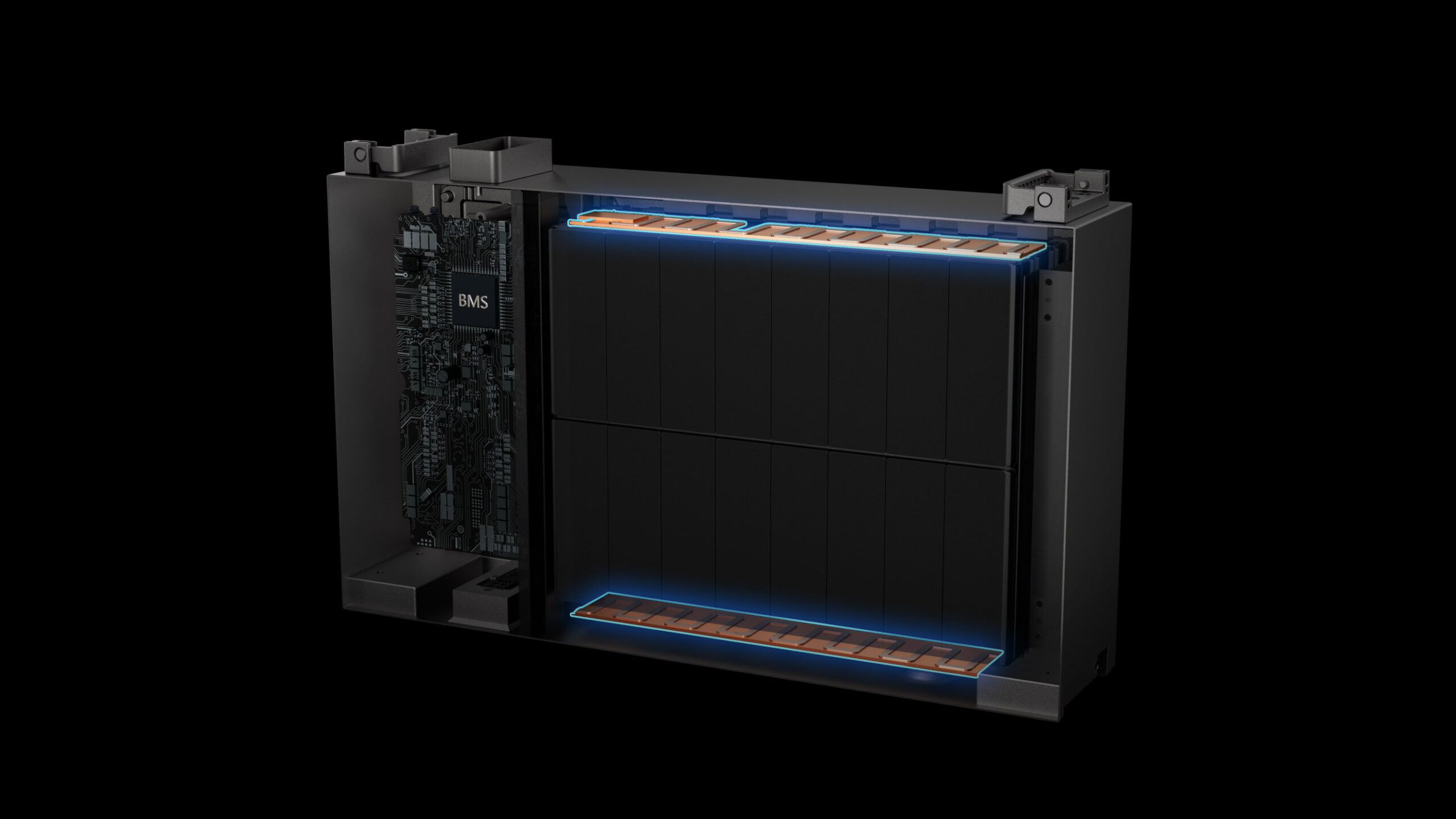
A battery management system continuously assesses the condition and operation of the battery. It monitors factors such as cell voltage, temperature, charging activity and discharging behaviour. When necessary, it can adjust the way the system operates to keep the battery within safe limits.

This protection matters because repeated overcharging, excessive discharge and prolonged exposure to unsuitable temperatures can accelerate battery degradation. Intelligent management helps reduce these risks by preventing the battery from being subjected to unnecessary strain.

EcoFlow’s earlier PowerOcean system, which preceded the OCEAN 2, uses an advanced battery management system that monitors cell health and temperature in real time. EcoFlow explains that this system is intended to protect against overcharging, deep discharge and overheating.

The OCEAN 2 continues the company’s emphasis on intelligent, integrated energy management. Its Home Energy Management System is designed to coordinate generation, storage and consumption so that the battery can be used more efficiently. Although financial savings will vary according to tariff, consumption and system design, intelligent operation may help a business avoid unnecessary cycling and use stored energy at more advantageous times.

For commercial premises, this creates two important benefits. Firstly, the system can respond more effectively to changing energy demand. Secondly, carefully managed charging and discharging may help preserve battery health over the longer term.

Temperature Control Is Essential for Battery Longevity

Temperature can have a substantial effect on battery performance.

Very cold conditions may restrict charging and reduce immediate performance, while prolonged exposure to excessive heat can accelerate chemical degradation. A battery system intended to operate reliably for 15 years must therefore be capable of managing variations in its surrounding environment.

EcoFlow has designed its battery systems with temperature management and protective controls that help keep the cells within an appropriate operating range. The company has previously incorporated automatic heating technology within its PowerOcean batteries to support dependable performance during colder weather.

This is especially relevant across Dorset and the South Coast, where external temperatures are usually moderate but installed equipment may still encounter frost, prolonged rain, direct sunlight and seasonal changes. The location of the equipment, ventilation, surrounding structures and quality of installation must all be considered during the design process.

A professional commercial site survey can identify whether the proposed installation area provides suitable conditions. It can also establish whether additional protection, repositioning or design changes may be advisable.

Strong Environmental Protection Supports Outdoor Installation

Commercial battery storage is not always installed within a perfectly controlled plant room. Depending upon the premises, the most suitable location may be outside or within an area exposed to dust, moisture and changing temperatures.

The EcoFlow OCEAN 2 battery is rated to IP66, meaning it has been designed to provide a high degree of protection against dust and water ingress. EcoFlow also states that, when installed with the appropriate base, the bottom battery module can withstand immersion for up to 72 hours under specified test conditions.

These protections do not mean the system can be installed anywhere without careful planning. Proper siting, secure mounting, drainage, clearances and adherence to the manufacturer’s instructions remain essential. Nevertheless, stronger protection against environmental exposure can reduce the risk of damage and contribute to greater long term reliability.

For coastal businesses in areas such as Bournemouth, Poole, Christchurch, Weymouth, Southampton and Portsmouth, environmental durability deserves particular consideration. Sea air, moisture and exposed locations can place additional demands upon electrical equipment. A system intended for outdoor use must therefore be selected and installed with these conditions in mind.

The OCEAN 2’s protective enclosure and ingress rating are consequently important components of the engineering that supports its 15 year warranty.

Modular Design Can Reduce Unnecessary System Strain

The EcoFlow OCEAN 2 has been designed as a modular battery storage system. This allows storage capacity to be configured according to the needs of the property rather than relying upon a single fixed arrangement.

A correctly sized system is fundamental to long term performance. If a commercial battery is consistently required to operate beyond the demands for which it was designed, its usable life and effectiveness may be affected. Conversely, a system that is considerably larger than necessary may provide poor value and fail to deliver the expected financial return.

Modularity allows an installer to assess the building’s electricity use, solar generation, working hours, peak demand and future plans before recommending an appropriate configuration.

EcoFlow states that the three phase OCEAN 2 can support battery capacity of up to 60 kWh with one inverter, while wider expansion options are available for certain configurations. However, the suitability of any configuration for a commercial property must be established through a detailed technical assessment.

This ability to design the system around genuine energy requirements may help avoid excessive loading and inefficient operation. It also gives growing businesses greater flexibility when planning for changes such as additional machinery, electric vehicle charging or increased use of renewable electricity.

Continuous Monitoring Helps Maintain Performance

Modern commercial battery storage extends well beyond the battery itself. Intelligent software now plays a central role in ensuring systems operate efficiently and reliably over many years.

The EcoFlow OCEAN 2 is designed to work as part of an integrated energy management system that continuously monitors how electricity is generated, stored and consumed. Rather than allowing the battery to operate without oversight, the software analyses performance and responds to changing energy demands throughout the day.

For businesses, this intelligent monitoring can provide valuable insight into electricity usage, battery performance and solar generation. It also enables the system to optimise charging and discharging according to demand, helping businesses make greater use of their renewable energy while reducing unnecessary strain on the battery.

Early identification of potential issues is equally valuable. Monitoring allows installers and building managers to identify irregularities before they develop into more significant problems, helping to protect both system performance and long term reliability.

Comprehensive Safety Engineering Inspires Confidence

When businesses invest in battery storage, safety is naturally one of the foremost considerations.

The EcoFlow OCEAN 2 has been designed with multiple layers of protection intended to safeguard both the battery and the surrounding property. Whilst lithium iron phosphate chemistry already offers excellent thermal stability compared with many other lithium battery technologies, EcoFlow has incorporated additional protective features throughout the system.

These include sophisticated battery management, temperature monitoring, protective electrical controls and structural engineering designed to support dependable operation.

Commercial customers also benefit from professional installation, ensuring every component is correctly configured, commissioned and tested before the system enters service.

Rather than relying upon a single protective feature, the OCEAN 2 uses several complementary systems that work together to maintain safe operating conditions throughout its lifespan.

What Does a 15 Year Warranty Mean for Businesses?

A lengthy warranty offers far more than simple peace of mind.

Commercial renewable energy projects are significant investments that are often expected to deliver financial benefits over many years. The longer key equipment remains dependable, the greater opportunity there is for businesses to recover their initial investment and continue benefiting from lower operating costs.

A 15 year warranty may therefore help businesses by providing greater confidence in several important areas.

Improved Investment Protection

Every commercial solar and battery installation represents a long term financial decision.

Knowing that the manufacturer is prepared to support its equipment over an extended period may provide reassurance that the technology has been engineered with durability in mind.

More Predictable Operating Costs

Unexpected equipment replacement can have a considerable financial impact.

Whilst every warranty has specific terms and conditions, longer warranty periods can help businesses better understand the long term ownership costs associated with their battery storage system.

Greater Energy Resilience

Battery storage enables businesses to make better use of the electricity generated by their solar panels.

Rather than exporting surplus electricity during the day and purchasing more expensive electricity later, stored energy can be used when it is needed most. This can improve energy resilience whilst reducing dependence upon fluctuating electricity prices.

Confidence for Long Term Sustainability

Many organisations are investing in renewable technologies as part of wider sustainability strategies.

Installing battery storage alongside commercial solar panels allows businesses to increase self consumption of renewable electricity whilst supporting carbon reduction objectives. A lengthy warranty complements these long term environmental ambitions by providing confidence that the equipment has been designed for sustained operation.

How Does the EcoFlow OCEAN 2 Compare with Other Battery Storage Systems?

The commercial battery storage market continues to evolve rapidly, with several respected manufacturers offering high quality products.

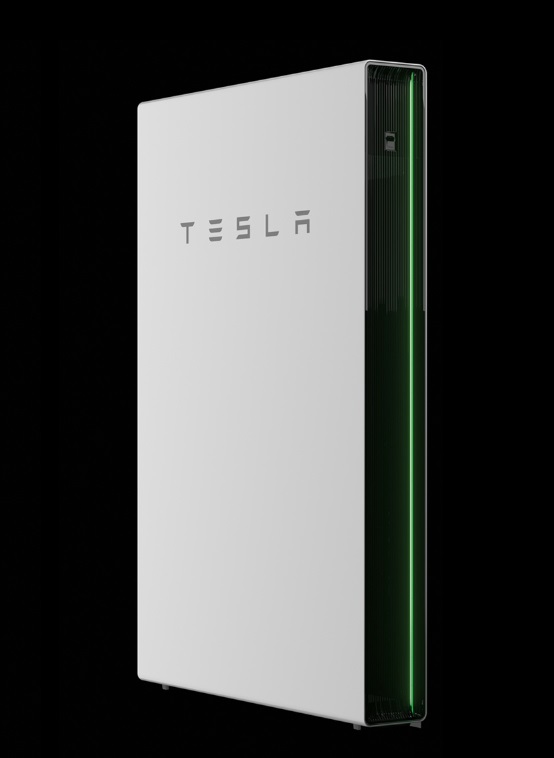
Tesla, Sigenergy and FoxESS each provide capable battery storage solutions with their own strengths, software ecosystems and installation requirements.

The EcoFlow OCEAN 2 distinguishes itself through its combination of long warranty support, lithium iron phosphate battery chemistry, modular design, intelligent energy management and scalable storage options.

The most appropriate solution will always depend upon the individual requirements of the business. Factors including electricity consumption, available roof space, future expansion plans, budget, existing solar infrastructure and operational priorities should all be considered before selecting a system.

An experienced commercial installer can assess these requirements and recommend the solution that best meets both current and future energy demands.

Understanding Warranty Conditions

Whilst a 15 year warranty is undoubtedly attractive, it is important to understand that every manufacturer’s warranty contains conditions.

Coverage may depend upon factors such as professional installation, correct commissioning, suitable operating conditions and ongoing compliance with the manufacturer’s guidance.

Commercial customers should always read the latest EcoFlow warranty documentation carefully before making purchasing decisions. This ensures there is a clear understanding of the warranty period, eligibility criteria, exclusions and any maintenance responsibilities that may apply.

Treating the battery appropriately, ensuring it is installed correctly and following the manufacturer’s recommendations all contribute towards achieving the best possible long term performance.

Why Choose Save Energy for an EcoFlow OCEAN 2 Installation?

Selecting the right battery storage system is only one part of a successful commercial renewable energy project. Equally important is choosing an experienced installer capable of designing a solution that reflects the specific requirements of your business.

At Save Energy, every project begins with a detailed assessment of your premises, electricity consumption and operational objectives. Rather than recommending a standard configuration, the team designs bespoke commercial solar and battery storage systems that are tailored to each property.

This considered approach helps ensure the battery capacity, inverter specification and wider system design are appropriate for both current energy usage and future expansion.

Professional installation is equally important. Correct positioning, secure mounting, safe electrical connections and thorough commissioning all play a vital role in delivering dependable long term performance.

Following installation, ongoing monitoring and technical support help businesses continue to maximise the value of their investment.

Commercial Case Study Placeholder

Insert a genuine Save Energy commercial installation demonstrating how an EcoFlow battery system has improved energy efficiency, reduced electricity costs or enhanced operational resilience for a local business.

Commercial Case Study Placeholder

Insert a second verified project highlighting the successful integration of commercial solar panels with EcoFlow battery storage for a business operating within Dorset or the South Coast.

By combining technical expertise with carefully considered system design, Save Energy helps businesses invest confidently in renewable energy solutions that are built to perform for many years.

Conclusion

The 15 year warranty offered with the EcoFlow OCEAN 2 is far more than a marketing statement. It reflects confidence in the engineering principles that underpin the system, from its lithium iron phosphate battery chemistry and intelligent battery management to its environmental protection, modular architecture and sophisticated monitoring capabilities.

Whilst no battery system can be considered entirely maintenance free, thoughtful design, quality components and professional installation all contribute towards achieving dependable long term performance.

For businesses throughout Dorset and the South Coast, investing in commercial battery storage is not simply about reducing electricity bills today. It is about creating greater energy resilience, improving operational efficiency and preparing for an increasingly sustainable future.

If you are considering commercial solar panels or battery storage for your business, Save Energy  can provide expert guidance, bespoke system design and professional installation tailored to your operational requirements.

Frequently Asked Questions

Does the EcoFlow OCEAN 2 warranty cover commercial installations?

Warranty availability and coverage may vary depending upon the system configuration, application and installation. Businesses should always consult Save Energy and review EcoFlow’s latest official warranty documentation to confirm the applicable terms.

How long do lithium iron phosphate batteries typically last?

Lithium iron phosphate batteries are recognised for their long cycle life and durability. Actual lifespan depends upon usage patterns, operating conditions, installation quality and ongoing maintenance.

What could invalidate a battery warranty?

Warranty conditions vary between manufacturers. Incorrect installation, misuse, unauthorised modifications or failure to comply with the manufacturer’s guidance may affect warranty eligibility. Always refer to the latest official warranty documentation.
Is the EcoFlow OCEAN 2 suitable for large commercial premises?

The modular design allows the system to be configured for a wide range of applications. A professional site survey is essential to determine whether it is appropriate for a particular commercial property.

Can battery storage reduce business electricity costs?

Battery storage may reduce electricity costs by storing surplus solar energy for later use and reducing reliance on imported electricity during periods of higher demand. The level of savings will depend upon electricity tariffs, energy consumption, solar generation and system design.

How Does EcoFlow Ocean 2 Work with Solar Panels?

Rising Energy Prices

More homeowners across Dorset and the South Coast are investing in solar panels to reduce their reliance on rising energy prices. While generating your own electricity is an excellent first step, many households quickly discover that a significant proportion of their solar energy is exported back to the National Grid during the day when nobody is at home to use it.

This is where battery storage transforms the value of a solar installation.
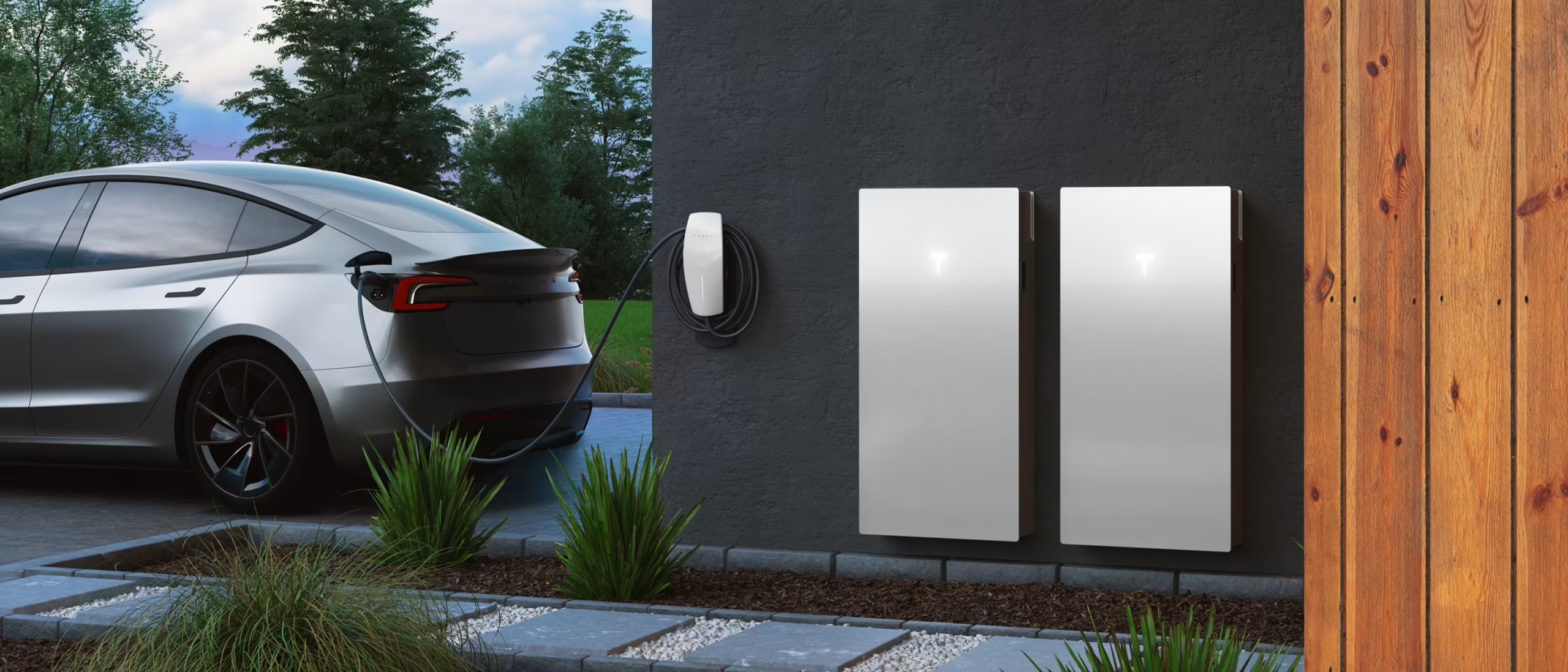
The EcoFlow Ocean 2 has been designed to capture surplus solar energy, store it safely and intelligently, then supply it back to your home whenever you need it. Rather than allowing valuable renewable electricity to leave your property, the system helps maximise self consumption, reduce electricity bills and provide greater energy independence throughout the year.

Whether you are installing a brand new solar PV system or upgrading an existing one, understanding how the EcoFlow Ocean 2 works alongside solar panels can help you decide whether it is the right investment for your home.

Why Pair Solar Panels with Battery Storage?

Solar panels only generate electricity when daylight is available. While generation often peaks around midday, household electricity demand is usually highest during the morning and evening when families are cooking, watching television or charging devices.

Without battery storage, much of the electricity produced during the middle of the day is exported to the grid. Although export tariffs can provide some financial return, they are often considerably lower than the cost of buying electricity back later in the day.

Adding a battery allows you to keep more of the energy your solar panels produce.

Instead of purchasing electricity from your supplier after sunset, your home simply draws power from the battery. This significantly increases your self consumption, allowing you to benefit from more of the renewable energy generated on your own roof.

For many households, this leads to lower electricity bills and improved long term returns from their solar investment.

What Is the EcoFlow Ocean 2?

The EcoFlow Ocean 2 is a modular home battery storage system designed to work seamlessly alongside residential solar panel installations.

Unlike traditional battery systems with fixed capacities, the Ocean 2 has been engineered with flexibility in mind. Homeowners can begin with a battery size suited to their current energy consumption before expanding capacity as their requirements change.

This makes it particularly attractive for growing families, homeowners planning to purchase an electric vehicle or those considering installing a heat pump in the future.

The system combines advanced lithium iron phosphate battery technology with sophisticated energy management software that continually monitors electricity production, household demand and battery charge levels.

Rather than relying on manual settings, the Ocean 2 automatically determines the most efficient way to manage your home’s energy.

How Does the EcoFlow Ocean 2 Work with Solar Panels?

The relationship between your solar panels and the Ocean 2 is remarkably straightforward.

Throughout the day, your solar panels generate direct current electricity whenever sunlight reaches the photovoltaic cells.

This electricity passes through your solar inverter, which converts it into alternating current suitable for household use.

Your home always uses available solar electricity first.

If your appliances are consuming all the electricity your panels are producing, the battery remains idle.

However, when generation exceeds demand, the excess electricity is diverted into the EcoFlow Ocean 2 instead of being exported immediately to the National Grid.

The battery stores this surplus energy safely until your household requires it.

Later that evening, when your solar panels are no longer producing electricity, the battery begins supplying stored energy back into your home.

This intelligent process happens automatically without any intervention from the homeowner.

The result is a far greater proportion of your home’s electricity coming directly from renewable energy generated on your own property.

Intelligent Energy Management

One of the most impressive aspects of the EcoFlow Ocean 2 is its intelligent energy management system.

Rather than simply charging and discharging whenever possible, the system continually analyses multiple factors, including:

  • Current solar generation
  • Household electricity demand
  • Battery charge level
  • Electricity import tariffs
  • Time of day
  • Weather forecasts where applicable

Using this information, the battery determines the most efficient strategy for storing and using electricity.

For example, during a bright summer afternoon, the battery may fully charge before any remaining electricity is exported to the grid.

During winter, when solar generation is lower, the system carefully balances available renewable energy with household demand to maximise savings.

This automation removes much of the complexity traditionally associated with battery storage while ensuring homeowners achieve the greatest possible value from their solar installation.
Can the EcoFlow Ocean 2 Work with Existing Solar Panels?

Yes. One of the major advantages of the EcoFlow Ocean 2 is its compatibility with many existing residential solar installations.

Homeowners who installed solar panels several years ago often assume they must replace their entire system before adding battery storage.

In many cases, this is not true.

Subject to compatibility with the existing inverter and electrical infrastructure, a professionally installed Ocean 2 can often be integrated with an existing solar array.

This allows homeowners to improve the performance of an older solar installation without replacing functioning solar panels.

A professional assessment from an experienced installer such as Save Energy UK will determine the most suitable configuration for your property, ensuring the battery integrates safely and efficiently with your existing renewable energy system.

Why Is This Particularly Beneficial for Homes Across Dorset and the South Coast?

Homes throughout Dorset and the South Coast benefit from favourable solar conditions compared with many other parts of the United Kingdom.

Longer daylight hours during spring and summer allow solar panels to generate significant amounts of electricity, often producing more energy than households can immediately use.

Without battery storage, much of this valuable renewable electricity leaves the property.

With the EcoFlow Ocean 2, homeowners can retain far more of the electricity generated during these productive months and continue using it after sunset, reducing their dependence on imported electricity and helping shield themselves from future energy price rises.

For households looking to make the most of their solar investment, battery storage has become an increasingly important part of creating a more efficient and resilient home energy system.

Battery Capacity and Scalability

Every household uses electricity differently. A retired couple may consume most of their energy during the day, while a growing family might not use much electricity until the evening. This is why choosing the right battery capacity is just as important as selecting the right solar panels.

The EcoFlow Ocean 2 has been designed with flexibility in mind. Its modular design allows homeowners to begin with a battery that suits their current energy needs before increasing the storage capacity as those needs change.

This is particularly useful for households planning future improvements, such as purchasing an electric vehicle, installing a heat pump or extending their property. Rather than replacing the entire battery system, additional storage can often be added as demand grows.

A tailored design ensures you are not paying for unnecessary capacity today whilst retaining the option to expand in the future.

Backup Power During a Power Cut

For many homeowners, one of the most appealing features of battery storage is the ability to maintain power during an unexpected outage.

When configured correctly, the EcoFlow Ocean 2 can provide backup power to selected circuits within your home. Essential appliances such as lighting, refrigeration, internet routers and other important electrical equipment can continue operating even if the grid experiences an interruption.

The precise backup capability depends on the system design and the property’s electrical configuration. Not every appliance is typically connected to the backup supply, as high demand equipment may quickly deplete the stored energy.
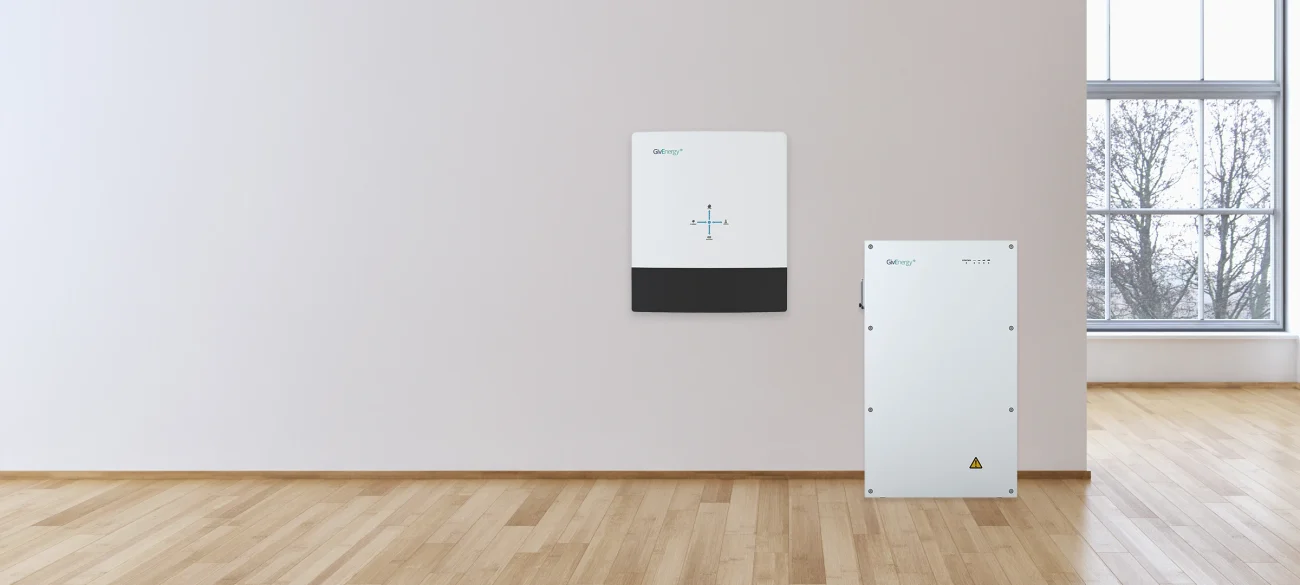
An experienced installer will discuss your priorities and design a system that keeps the most important parts of your home running during an outage.

Is the EcoFlow Ocean 2 Suitable for Every Home?

Although the EcoFlow Ocean 2 is suitable for many properties, there is no universal battery solution.
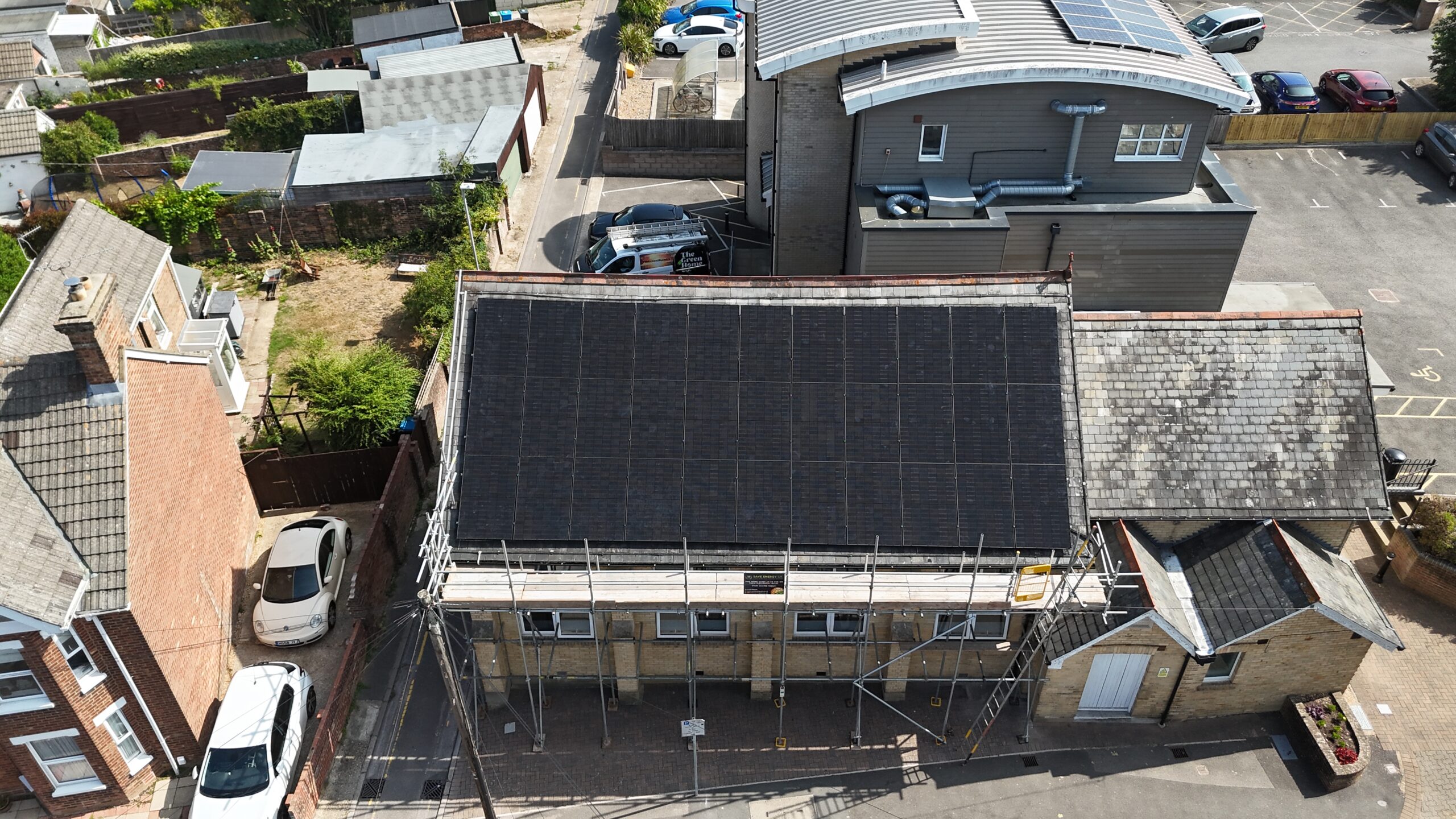
The ideal system depends upon several factors, including:

  • The size of your solar panel installation
  • Your daily electricity consumption
  • Whether you own an electric vehicle
  • Your household occupancy
  • Your future energy plans
  • Available installation space
  • Your budget

This is why a professional survey remains essential.
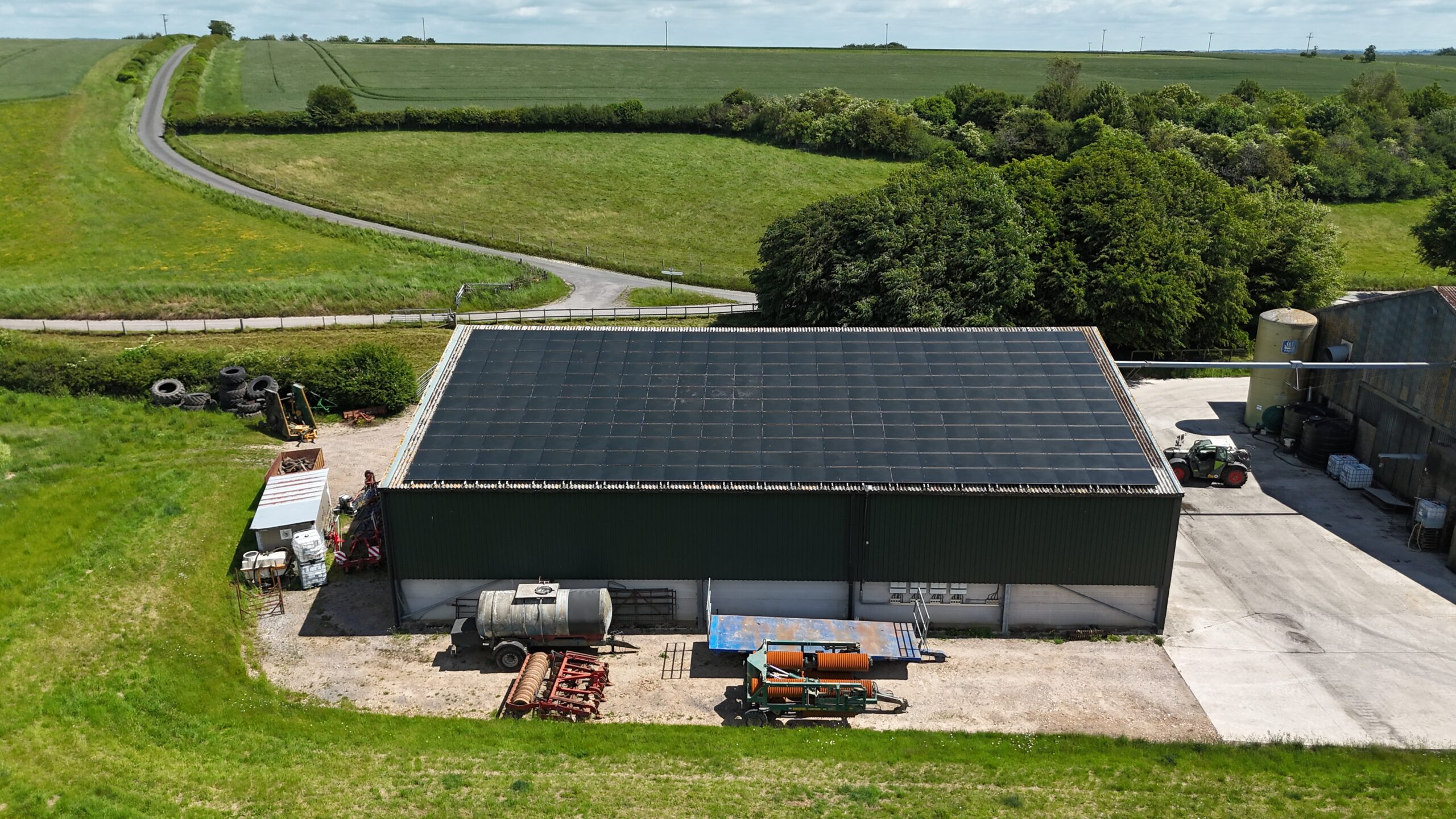
At Save Energy UK, every recommendation is based upon the individual property’s energy usage rather than a one size fits all approach. This ensures homeowners invest in a battery system that genuinely delivers long term value.

How Much Could You Save?

The financial benefits of battery storage vary from one household to another.

Without a battery, much of the electricity generated during sunny periods may be exported back to the grid while the homeowner later purchases electricity at a higher rate during the evening.

By storing surplus solar generation, the EcoFlow Ocean 2 allows far more of your own electricity to be used within your home.

The exact savings depend upon several factors, including:

  • Solar panel size
  • Battery capacity
  • Household electricity usage
  • Energy tariffs
  • Export rates
  • Seasonal sunlight levels

For households with high evening electricity demand, battery storage can significantly reduce reliance on imported electricity throughout the year.

As electricity prices continue to fluctuate, increasing self consumption also provides greater protection against future price rises.

Why Professional Installation Matters

Even the highest quality battery cannot perform to its full potential if it has been poorly designed or incorrectly installed.

Professional installation ensures your battery communicates efficiently with your solar panels, inverter and household electrical system.

It also ensures compliance with current electrical regulations and manufacturer requirements.

A properly commissioned system will operate safely, efficiently and reliably for many years whilst giving you confidence that every component has been optimised to maximise performance.

Why Trust Save Energy UK?

Choosing the right battery storage system involves far more than comparing technical specifications.

Save Energy UK provides honest, professional advice based on your property’s individual energy requirements.

Every installation begins with a detailed assessment of your home, electricity consumption and future ambitions before recommending the most appropriate renewable energy solution.

From the initial consultation through to installation and ongoing support, the focus remains on helping homeowners make informed decisions with complete confidence.

Whether you are installing solar panels for the first time or upgrading an existing system with battery storage, Save Energy UK delivers carefully designed renewable energy solutions that prioritise long term performance, efficiency and customer satisfaction.

Conclusion

The EcoFlow Ocean 2 offers homeowners an intelligent way to maximise the value of their solar panels by storing surplus electricity for use whenever it is needed most.

Rather than relying heavily on imported electricity after sunset, households can make greater use of the renewable energy they generate themselves, reducing electricity bills whilst improving energy independence.

Its expandable design, smart energy management and compatibility with many existing solar installations make it an attractive option for homeowners planning both today’s energy needs and tomorrow’s.

The best battery system will always depend on your property’s individual requirements, which is why expert advice remains invaluable.

If you are considering solar battery storage or would like to understand whether the EcoFlow Ocean 2 is the right choice for your home, contact Save Energy UK. Their experienced team can assess your property, explain your options and design a renewable energy system tailored to your household, helping you make the most of every unit of electricity your solar panels generate.

Frequently Asked Questions

What is the EcoFlow PowerOcean 2?

The EcoFlow PowerOcean 2 is a modular home battery storage system that stores surplus electricity generated by solar panels, allowing homeowners to use renewable energy during the evening, overnight or when solar generation is low.

Can I add more battery storage later?

Yes. One of the system’s biggest advantages is its modular design, allowing additional battery capacity to be added if your electricity usage increases in the future.

Does the EcoFlow PowerOcean 2 work during a power cut?

When installed with the appropriate backup configuration, the system can continue supplying electricity to selected essential circuits during a power outage.

Does battery storage reduce electricity bills?

Yes. By storing excess solar energy instead of exporting it immediately, battery storage allows homeowners to buy less electricity from the grid, helping reduce monthly energy bills.

What Are the Benefits of EcoFlow Ocean 2 for Commercial Buildings?

Energy Security

Businesses across the South Coast continue to face rising electricity prices, increasing pressure to reduce carbon emissions and a growing need for greater energy security. While commercial solar panels have become an increasingly common investment, many organisations are now recognising that generating electricity is only part of the solution. To maximise the value of renewable energy, businesses also need an effective way to store it.

The EcoFlow Ocean 2 has been developed to help commercial buildings make better use of the energy they generate. By storing excess electricity for use when demand is highest, it enables businesses to reduce their dependence on the National Grid, lower operating costs and improve resilience during periods of peak demand or unexpected power interruptions.

Whether you operate an office, warehouse, manufacturing facility, retail premises, hotel or educational building, a commercial battery storage system can play an important role in improving energy efficiency while supporting long term sustainability goals.

Why Businesses Are Investing in Battery Storage

Commercial electricity consumption rarely follows a predictable pattern. Many businesses experience periods of high demand during working hours, while solar panels often generate their greatest output during the middle of the day.

Without battery storage, much of this surplus electricity may be exported to the grid instead of being used within the building. Although export payments can provide some financial return, they are often considerably lower than the cost of purchasing electricity later in the day.

Battery storage changes this equation. Rather than allowing valuable renewable energy to leave the site, the system stores it until it is needed. Businesses can then use their own electricity during periods of higher demand, reducing the amount they purchase from the grid.

For organisations seeking greater control over energy costs, this can represent a significant long term advantage.

What Is the EcoFlow Ocean 2?

The EcoFlow Ocean 2 is an advanced battery storage solution designed to work alongside commercial solar photovoltaic systems. It enables businesses to capture surplus electricity generated during daylight hours and use it when solar production falls or demand increases.

Unlike traditional energy systems that rely almost entirely on electricity supplied by the grid, the Ocean 2 helps businesses make greater use of their own renewable energy generation.

The system incorporates intelligent energy management technology that automatically determines the most efficient times to store and discharge electricity. This allows organisations to reduce unnecessary energy purchases while maintaining reliable power throughout the working day.

Its scalable design also means it can be tailored to suit a wide variety of commercial premises, from smaller office buildings through to larger industrial facilities with substantial energy requirements.

Lower Electricity Costs

One of the most immediate benefits of the EcoFlow Ocean 2 is the potential to reduce ongoing electricity expenditure.

Energy prices have become increasingly unpredictable, making budgeting more difficult for many businesses. Every unit of electricity that can be generated and stored on site represents one less unit that needs to be purchased from the National Grid.

By storing excess solar energy during periods of strong generation and using it later, businesses can significantly reduce reliance on imported electricity.

Over time, these savings can accumulate into a substantial financial benefit, particularly for organisations with consistently high energy consumption.

Better Use of Commercial Solar Panels

Installing commercial solar panels is an excellent first step towards lowering energy costs, but battery storage allows businesses to maximise the value of that investment.

Without storage, excess electricity generated during quieter periods may simply be exported back to the grid. Although export payments can offset some costs, they are often less valuable than using that electricity directly within the business.

The EcoFlow Ocean 2 allows organisations to retain more of the renewable energy they generate, improving overall system efficiency and increasing the financial return on their solar installation.

This helps businesses achieve greater value from every kilowatt hour their solar panels produce.

Reducing Peak Energy Demand

Many commercial electricity tariffs include charges based on peak demand. Even brief periods of exceptionally high electricity usage can have a significant impact on operating costs.

Battery storage provides an effective way to manage these peaks.

Rather than drawing large amounts of electricity directly from the grid during busy periods, stored energy can supplement the building’s electrical demand. This reduces pressure on the supply connection while helping businesses avoid unnecessary peak demand charges.

For organisations operating machinery, refrigeration equipment, manufacturing processes or multiple electrical systems simultaneously, this can provide considerable long term savings.

Greater Energy Independence

Energy independence has become an increasingly important consideration for businesses of every size.

Reliance on external electricity suppliers exposes organisations to changing tariffs, market volatility and wider energy supply issues.

The EcoFlow Ocean 2 helps reduce this dependence by allowing businesses to generate, store and use more of their own electricity.

While complete independence from the National Grid may not always be practical, significantly reducing reliance upon imported electricity offers greater financial stability and improved operational resilience.

For many organisations, this increased control over their own energy supply provides valuable peace of mind.

Improved Protection During Power Interruptions

Power interruptions can have serious consequences for commercial operations.

Lost productivity, interrupted manufacturing processes, damaged equipment, compromised security systems and disrupted customer service all carry financial consequences.

Battery storage can provide valuable support during unexpected power failures by supplying stored electricity when grid power becomes unavailable.

Depending upon the overall system design and backup configuration, businesses may be able to continue operating essential systems until normal electricity supplies are restored.

For organisations where continuity is critical, this additional resilience can be just as valuable as the financial savings.

Supporting Sustainability Goals

Environmental responsibility has become increasingly important for businesses across every sector.

Customers, investors and stakeholders increasingly expect organisations to demonstrate genuine commitments towards reducing carbon emissions and improving sustainability.

The EcoFlow Ocean 2 supports these objectives by enabling businesses to make greater use of clean, renewable electricity generated from commercial solar panels.

Every additional unit of renewable energy consumed on site reduces dependence upon electricity generated from fossil fuels, helping organisations lower their overall carbon footprint.

For many businesses, these environmental benefits complement wider corporate sustainability strategies while strengthening their reputation among environmentally conscious customers.

Suitable for a Wide Range of Commercial Buildings

One of the strengths of the EcoFlow Ocean 2 is its flexibility.

The system can support energy management across many different commercial environments, including offices, warehouses, retail premises, manufacturing facilities, hospitality venues, healthcare settings, educational buildings and agricultural operations.

Each business has unique energy demands, operating hours and growth plans. Professional system design ensures the battery storage capacity matches these individual requirements rather than applying a one size fits all approach.

This tailored approach helps maximise efficiency while ensuring the system continues to deliver value for many years.

Smart Energy Management

The EcoFlow Ocean 2 offers more than simple battery storage. Its intelligent energy management system continuously monitors electricity generation, consumption and storage levels to ensure energy is used as efficiently as possible.

Rather than relying upon manual intervention, the system automatically determines when to store surplus electricity and when to discharge it based on the building’s energy demands. This intelligent operation helps businesses maximise the value of every unit of electricity they generate.

For organisations with varying energy usage throughout the day, this level of automation can significantly improve overall efficiency while reducing unnecessary energy expenditure.

Many businesses also appreciate the ability to monitor system performance through dedicated software, allowing facility managers and business owners to understand energy consumption patterns and identify further opportunities for improvement.

A Scalable Solution for Growing Businesses

Commercial buildings rarely remain unchanged.

Businesses expand, additional equipment is installed and energy demands often increase over time. Choosing a battery storage system that can adapt to future growth is therefore an important consideration.

The EcoFlow Ocean 2 has been designed with scalability in mind, allowing systems to be configured according to current requirements while providing the flexibility to expand where appropriate in the future.

This makes it an attractive option for growing organisations that wish to invest in an energy solution capable of supporting long term business development without requiring a complete replacement.

A professionally designed system considers both current electricity consumption and anticipated future growth, ensuring the investment continues to deliver value for many years.

Long Term Return on Investment

Although installing commercial battery storage represents a significant investment, the financial benefits should always be considered over the long term.

Reducing electricity purchases, making better use of solar generation, lowering peak demand charges and improving energy efficiency all contribute towards reducing operating costs year after year.

As electricity prices continue to fluctuate, businesses with greater control over their own energy generation and storage are often better positioned to manage future cost increases.

The precise financial return will depend upon factors including energy usage, system size, electricity tariffs and the amount of renewable energy generated. For this reason, every commercial installation should be carefully designed around the individual needs of the business rather than relying upon generic calculations.

Supporting Business Continuity

Modern businesses rely heavily upon electricity.

Computers, servers, security systems, lighting, communications equipment, refrigeration, production machinery and heating or cooling systems all depend upon a reliable electrical supply.

Unexpected interruptions can quickly lead to lost productivity, delayed operations and dissatisfied customers.

A well designed battery storage system provides an additional layer of resilience by helping essential systems continue operating when the grid experiences disruption.

For organisations where downtime carries significant financial consequences, this additional security can become one of the most valuable aspects of the overall investment.

Preparing for the Future of Energy

The way commercial buildings consume electricity continues to evolve.

Electric vehicle charging, increasing digitalisation, smarter building management systems and continued growth in renewable energy generation all place new demands upon commercial electrical infrastructure.

Battery storage helps businesses prepare for these changes by providing greater flexibility in how electricity is generated, stored and consumed.

Investing today may also place organisations in a stronger position to adapt to future technologies and changing energy markets without requiring substantial infrastructure upgrades later.

Forward thinking businesses increasingly recognise that battery storage is becoming an important component of long term energy planning rather than simply an optional addition.

Common Misconceptions About Commercial Battery Storage

Some business owners assume battery storage only benefits organisations with exceptionally high electricity consumption.

In reality, many commercial buildings can benefit from storing surplus renewable energy, particularly where electricity usage continues beyond peak solar generation hours.

Another common misconception is that battery storage only provides value during power cuts.

While backup power is undoubtedly beneficial, most businesses achieve the greatest financial savings through improved energy management, increased self consumption of solar electricity and reduced reliance upon imported energy.

It is also sometimes assumed that every battery storage system is identical.

In practice, systems vary considerably in terms of capacity, efficiency, scalability, software functionality and integration with commercial solar installations. Selecting the most appropriate solution requires careful assessment by experienced professionals.

Why Trust Save Energy?

Save Energy has extensive experience in designing and installing bespoke commercial renewable energy systems for businesses across the South Coast.

Every project begins with understanding the client’s objectives, current energy usage and future ambitions. Rather than recommending standard packages, the team designs tailored commercial solar and battery storage systems that reflect the specific requirements of each organisation.

From the initial consultation through to installation, commissioning and ongoing support, Save Energy remains committed to delivering high quality workmanship, practical advice and long term customer satisfaction.

Whether a business is investing in commercial solar panels for the first time or looking to enhance an existing installation with advanced battery storage, expert guidance helps ensure every system delivers maximum value.

Conclusion

The EcoFlow Ocean 2 offers far more than simply storing electricity.

It enables commercial buildings to reduce operating costs, improve energy independence, increase the value of their commercial solar installation and strengthen resilience against rising energy prices and unexpected power interruptions.

Its intelligent energy management, scalable design and ability to support a wide variety of commercial premises make it an excellent solution for businesses planning for the future.

Every commercial property has different energy requirements, which is why professional system design remains essential. Selecting the correct battery capacity, integrating it effectively with existing infrastructure and planning for future growth all contribute towards achieving the greatest long term return.

If your business is considering commercial battery storage or would like to explore how the EcoFlow Ocean 2 could support your energy strategy, contact Save Energy today. Our experienced team works with businesses across the South Coast to design bespoke commercial solar and battery storage systems that reduce costs, improve efficiency and provide lasting value.

Is EcoFlow PowerOcean a Good Alternative to Tesla Powerwall?

Intelligent Software

For homeowners considering solar battery storage, Tesla Powerwall has long been regarded as one of the best known options on the market. Its sleek design, intelligent software and impressive performance have made it a popular choice for households seeking greater energy independence.

However, the market has evolved considerably in recent years. Innovative manufacturers are now producing battery storage systems that rival, and in some respects surpass, Tesla’s offering. One system attracting significant attention is the EcoFlow PowerOcean.

So, is EcoFlow PowerOcean a good alternative to Tesla Powerwall?

For many homeowners across Dorset and Hampshire, the answer is yes. The EcoFlow PowerOcean combines outstanding performance, excellent safety credentials, flexible expansion and sophisticated energy management into a system designed specifically for modern homes. When installed correctly alongside a high quality solar panel system, it can significantly reduce electricity bills whilst providing reliable backup power during outages.

The right battery ultimately depends on your property’s energy requirements, your budget and your future plans. Understanding the strengths of both systems will help you make an informed decision.

EcoFlow PowerOcean at a Glance

EcoFlow has earned an excellent reputation for developing innovative energy products, from portable power stations through to comprehensive home energy systems. The PowerOcean represents the company’s flagship residential battery storage solution, offering homeowners a scalable system capable of adapting as household electricity demands increase.

Unlike many fixed capacity batteries, the PowerOcean has been designed with flexibility in mind. Homeowners can begin with a smaller installation and increase storage capacity over time without replacing the entire system.

Another notable advantage is its use of Lithium Iron Phosphate battery technology, often referred to as LFP. This chemistry offers exceptional thermal stability, a long operating life and improved safety compared with some older lithium battery technologies.

When combined with solar panels, the system stores surplus electricity generated during daylight hours. Rather than exporting all unused electricity to the grid, homeowners can retain that energy for use during the evening when electricity demand is often highest.

The result is greater self sufficiency and lower reliance on increasingly expensive grid electricity.

Tesla Powerwall at a Glance

Tesla introduced the Powerwall with the ambition of transforming domestic energy storage, and it quickly became one of the most recognised home batteries available.

Its appeal lies in its simplicity. Each Powerwall unit provides a substantial amount of usable storage, intelligent monitoring through the Tesla app and seamless integration with solar photovoltaic systems.

Tesla’s software continually learns household energy consumption patterns, helping homeowners maximise the value of every unit of electricity generated.

The Powerwall also provides whole home backup when installed correctly, allowing many properties to continue operating during power interruptions.

Although Tesla remains a premium choice, growing demand and product availability have encouraged many homeowners to consider alternative systems that offer comparable performance with greater installation flexibility.

Tesla Powerwall

Battery Capacity and Scalability

Every household consumes electricity differently.

A retired couple living in a modest bungalow will have very different energy requirements from a growing family with electric vehicles, home offices and heat pumps.

This is where EcoFlow PowerOcean excels.

Rather than requiring homeowners to commit to a large storage capacity immediately, the system allows capacity to be increased as circumstances change.

For example, a homeowner may initially install solar panels alongside battery storage sized for their current electricity consumption. Several years later they may purchase an electric vehicle, install air source heating or extend their property.

Instead of replacing the battery, additional storage modules can simply be incorporated into the existing installation.

This approach offers greater financial flexibility whilst helping homeowners future proof their investment.

Tesla Powerwall also supports expansion through additional units, although many homeowners appreciate the modular nature of EcoFlow’s system and the ease with which capacity can be tailored to individual requirements.

Safety Matters More Than Ever

Battery safety is understandably one of the first questions homeowners ask when investing in energy storage.

EcoFlow PowerOcean utilises Lithium Iron Phosphate cells, which are widely regarded as one of the safest battery chemistries currently available.

These batteries demonstrate excellent thermal stability and are less susceptible to overheating than certain alternative lithium technologies.

For families seeking long term reliability, this provides valuable peace of mind.

The PowerOcean has also been engineered for outdoor installation where appropriate. Its IP65 rating means the system is well protected against dust ingress and water, allowing greater flexibility when planning installations around the property.

Tesla Powerwall also maintains rigorous safety standards and performs exceptionally well, but many homeowners specifically value the inherent stability offered by LFP battery technology.

Intelligent Energy Management

Modern battery storage is about much more than simply storing electricity.

Sophisticated software continually analyses household consumption, solar generation and electricity availability to determine the most efficient way to use stored energy.

EcoFlow’s intelligent management platform enables homeowners to monitor electricity generation, battery levels and household consumption in real time through an intuitive application.

The system automatically prioritises self generated solar electricity before drawing power from the grid wherever possible.

This intelligent operation helps reduce electricity costs without requiring constant user intervention.

For households in Dorset and Hampshire where electricity prices continue to fluctuate, this automated optimisation can produce meaningful savings throughout the year.

Reliable Backup When You Need It Most

Power cuts are relatively uncommon in the United Kingdom, but they can still occur without warning due to severe weather, accidental damage to infrastructure or maintenance work. For many households, even a short interruption can be inconvenient. For those working from home or relying on electrically powered medical equipment, maintaining power can be far more important.

Both EcoFlow PowerOcean and Tesla Powerwall can provide backup power when installed with the appropriate equipment. EcoFlow’s Smart Gateway is designed to detect an outage and switch the home to battery power with minimal interruption. This allows essential appliances such as lighting, refrigeration, internet routers and selected sockets to continue operating until grid power returns.

For homeowners who value resilience as well as energy savings, this capability provides reassurance that extends beyond reducing electricity bills.

Seamless Integration with EcoFlow PowerPulse

As electric vehicles become increasingly common across Dorset and Hampshire, homeowners are looking for ways to charge them more economically.

EcoFlow addresses this with the PowerPulse EV charger, which integrates with the wider PowerOcean ecosystem. When paired with solar panels and battery storage, homeowners can make greater use of self generated electricity to charge their vehicle rather than relying solely on imported electricity from the grid.

This intelligent approach allows excess solar generation to be used efficiently, helping to reduce charging costs while making better use of renewable energy produced at home.

For households planning to purchase an electric vehicle in the coming years, this level of integration makes EcoFlow an attractive long term investment.

Which Battery Offers Better Value?

Choosing a home battery should never be based solely on the purchase price. The true value lies in how effectively the system meets your needs over many years.

Tesla Powerwall continues to be an excellent premium product with an outstanding reputation and highly refined software. For many homeowners, it remains a strong option.

However, EcoFlow PowerOcean delivers several compelling advantages.

Its modular design allows homeowners to expand capacity without replacing the original system. The use of Lithium Iron Phosphate technology provides exceptional durability and safety. Integration with products such as the PowerPulse EV charger and Smart Gateway creates a complete home energy ecosystem that can evolve alongside changing household requirements.

For many families, these features make EcoFlow a particularly attractive alternative.

How Does EcoFlow Compare with Other Battery Brands?

Homeowners researching battery storage often encounter several respected manufacturers alongside Tesla and EcoFlow.

FoxESS has become popular thanks to its competitive pricing and dependable performance. It offers excellent value for many households, particularly where affordability is a key consideration.

Sunsynk provides highly flexible battery systems and hybrid inverters, making it a strong choice for more complex installations.

Duracell Energy combines a trusted household name with reliable battery technology and straightforward operation.

GivEnergy has established itself as another respected British brand, offering intelligent battery systems with advanced monitoring capabilities.

Each manufacturer has its strengths, but EcoFlow distinguishes itself through its combination of safety, scalability, elegant design and seamless integration with complementary products. Rather than competing on one feature alone, it delivers a balanced solution suitable for a wide variety of homes.

Which Battery Is Best for Homeowners in Dorset and Hampshire?

There is no universal answer because every property uses electricity differently.

For households with modest daytime electricity usage and limited future expansion plans, either EcoFlow PowerOcean or Tesla Powerwall may perform exceptionally well.

However, EcoFlow becomes particularly appealing for homeowners who are planning ahead.

If you expect to purchase an electric vehicle, install additional solar panels, extend your property or increase your electricity consumption over time, the flexibility of the PowerOcean system allows it to grow with your household.

Its weather resistant construction also makes it well suited to external installation where internal space may be limited.

Working with an experienced installer ensures the battery is correctly sized, configured and integrated with your existing solar system to maximise performance from day one.

solar panel installation

Why Professional Installation Matters

A battery storage system represents a significant investment, and its long term performance depends heavily on correct design and installation.

Factors such as household electricity usage, roof orientation, solar generation, future energy demands and available installation space should all be considered before selecting a battery.

Professional installers undertake detailed surveys to determine the most suitable system rather than recommending a one size fits all solution.

This ensures homeowners achieve the greatest possible financial return while maintaining safe and reliable operation throughout the system’s lifespan.

Why Trust Save Energy UK?

Choosing the right installer is every bit as important as choosing the right battery.

Save Energy UK has built an excellent reputation for delivering professionally designed renewable energy systems tailored to each customer’s property and energy requirements.

Rather than offering generic packages, every installation begins with a detailed assessment of the home, allowing the team to recommend the most appropriate combination of solar panels, battery storage and complementary technologies.

Whether you are considering EcoFlow PowerOcean, Tesla Powerwall or another leading battery solution, Save Energy UK provides expert guidance based on your individual circumstances rather than sales targets.

From the initial consultation through to installation and ongoing support, homeowners can expect knowledgeable advice, quality workmanship and a commitment to helping them reduce their reliance on the grid for many years to come.

Is EcoFlow PowerOcean a Good Alternative to Tesla Powerwall?

For many homeowners, absolutely.

Tesla Powerwall remains one of the best known battery storage systems available and continues to deliver excellent performance.

However, EcoFlow PowerOcean has emerged as a genuine competitor.

Its flexible modular design, advanced Lithium Iron Phosphate battery technology, intelligent energy management, seamless backup capability and integration with products such as the EcoFlow PowerPulse EV charger make it an outstanding choice for households looking towards the future.

When paired with professionally installed solar panels, EcoFlow PowerOcean provides an efficient, safe and scalable solution capable of reducing electricity bills while increasing energy independence.

If you are considering battery storage for your home in Dorset or Hampshire, speaking with experienced professionals will help you identify the system that offers the greatest long term value.

Save Energy UK can design and install a bespoke renewable energy solution that meets your current needs while allowing for future expansion, giving you confidence that your investment will continue delivering benefits for years to come.

Frequently Asked Questions

Is EcoFlow PowerOcean better than Tesla Powerwall?

Both systems offer excellent performance. EcoFlow PowerOcean stands out for its modular expansion, Lithium Iron Phosphate battery technology and integration with EcoFlow’s wider home energy ecosystem, while Tesla Powerwall is renowned for its refined software and proven reliability.

Can EcoFlow PowerOcean work with existing solar panels?

Yes. EcoFlow PowerOcean is compatible with many existing solar photovoltaic systems when installed by experienced professionals.

Does EcoFlow PowerOcean provide backup power?

Yes. When installed with the EcoFlow Smart Gateway, the system can continue supplying power to your home during a power cut.

Can AI Optimise Your Home Battery for Maximum Savings?

Electricity Costs

As energy prices continue to fluctuate across the United Kingdom, homeowners and businesses are searching for smarter ways to take control of their electricity costs. Solar panels and battery storage systems have already transformed how many properties consume energy, but a new development is taking efficiency even further.

Artificial intelligence is rapidly becoming one of the most exciting innovations in home energy management. Rather than simply storing electricity for later use, modern battery systems can now learn household habits, analyse weather forecasts, monitor electricity tariffs, and make intelligent decisions about when to charge and discharge.

For homeowners in Bournemouth, Poole, Christchurch, and throughout Dorset, this raises an important question.

solar panel installation in dorset

Can AI Optimise Your Home Battery for Maximum Savings?

Yes. AI can optimise a home battery by analysing electricity prices, household energy usage, solar generation forecasts, and weather conditions. It automatically charges the battery when electricity is cheapest and discharges it when prices are highest, helping homeowners maximise savings and improve energy efficiency.

What Is AI Home Battery Optimisation?

AI home battery optimisation refers to the use of machine learning and advanced software algorithms to control how and when a battery stores and releases electricity.

Traditional battery systems typically operate according to fixed schedules or basic user settings. An AI enabled battery system continuously learns from data and adapts automatically.

It can monitor:

  • Household electricity consumption
  • Solar panel generation
  • Weather forecasts
  • Electricity tariff changes
  • Grid demand
  • Historical energy usage patterns

The result is a system that constantly seeks the most cost effective way to manage your energy.

How Smart Home Batteries Work

A home battery stores electricity that can be used later when energy demand increases or when electricity prices rise.

Without battery storage, excess electricity generated by solar panels is often exported to the grid.

With battery storage, that surplus energy can be stored for use later in the day.

Modern battery systems such as the Tesla Powerwall and Qcells Battery solutions can store enough energy to power many household essentials during the evening when solar production falls.

The process is relatively straightforward.

Solar panels generate electricity during daylight hours.

The property uses what it needs immediately.

Excess electricity charges the battery.

Stored electricity is then used when solar production drops or when electricity prices rise.

When combined with AI, this process becomes significantly more sophisticated.

How AI Learns Your Household Energy Habits

One of the greatest strengths of artificial intelligence is its ability to identify patterns.

After a short learning period, an AI driven battery system begins to understand:

  • When your household uses the most electricity
  • How much electricity you typically consume
  • Seasonal changes in demand
  • Electric vehicle charging habits
  • Heat pump operating patterns

For example, if your household consistently uses more electricity between six o’clock and nine o’clock in the evening, the AI system can ensure sufficient stored energy is available during those hours.

Likewise, if poor weather is forecast for the following day, the system may decide to charge the battery overnight using cheaper electricity to compensate for reduced solar production.

This proactive decision making can significantly improve savings.

How AI Works with Solar Panels and Battery Storage

For homeowners investing in Solar Panels Bournemouth, Solar Panels Poole, or Solar Panels Christchurch, AI optimisation can unlock even greater value from a renewable energy system.

Rather than simply storing surplus electricity, AI software continuously evaluates:

  • Predicted solar generation
  • Electricity import prices
  • Export tariffs
  • Household consumption

If the system expects strong sunshine tomorrow, it may leave spare battery capacity available to capture solar energy.

If cloudy weather is expected, it may charge overnight when electricity is cheaper.

This intelligent balancing act helps maximise the value of every unit of electricity generated.

Benefits of AI Powered Battery Optimisation

Reduced Electricity Bills

The most obvious benefit is lower energy costs.

Many smart tariffs now offer significantly cheaper overnight electricity rates than daytime pricing. AI can automatically purchase electricity during these cheaper periods and store it for later use. Some UK battery focused tariffs now offer off peak rates as low as approximately 7p per kilowatt hour.

Better Use of Solar Generation

Without optimisation, solar energy can sometimes be exported when it would have been more valuable to store it.

AI ensures that available battery capacity is used intelligently, helping homeowners maximise self consumption.

Time of Use Tariff Optimisation

Time of use tariffs are becoming increasingly popular.

AI can respond dynamically to changing prices throughout the day, ensuring electricity is purchased when rates are lowest and consumed when rates are highest.

Reduced Grid Dependency

By improving battery performance, homeowners become less reliant on the National Grid.

This can provide greater energy independence and increased resilience.

Increased Battery Lifespan

Advanced systems can also manage charging cycles more carefully.

Rather than constantly charging and discharging at maximum rates, AI can optimise battery operation to reduce unnecessary wear.

Which Is Best?

For many Dorset homeowners seeking advanced AI functionality, Tesla Powerwall often leads the market. However, the best solution depends on budget, property size, electricity consumption, and future energy plans.

Which Option Is Best for Commercial Solar Customers?

Commercial properties often benefit even more from AI optimisation.

Businesses frequently experience predictable peaks in electricity demand.

AI can:

  • Reduce demand charges
  • Improve energy forecasting
  • Optimise battery utilisation
  • Maximise solar self consumption
  • Improve return on investment

For businesses operating throughout Dorset, battery optimisation can become a significant competitive advantage.

Common Mistakes Homeowners Make

Many property owners make avoidable mistakes when investing in battery storage.

These include:

Choosing the Wrong Battery Size

Oversized or undersized systems can reduce financial returns.

Ignoring Tariff Selection

The right tariff can dramatically improve savings.

Failing to Monitor Performance

Even intelligent systems benefit from occasional review.

Choosing Price Over Quality

A cheaper battery may not provide the software features necessary for long term optimisation.

Overlooking Future Needs

Electric vehicles and heat pumps can significantly alter household energy demand.

Future Trends in AI Energy Management

Artificial intelligence is only beginning to transform the energy sector.

Future developments are expected to include:

  • Real time energy trading
  • Predictive electricity purchasing
  • Vehicle to grid integration
  • Virtual power plants
  • Advanced smart home integration

Several suppliers already offer AI driven tariff optimisation that automatically responds to market conditions.

As battery technology continues to improve, AI will become increasingly important in helping households maximise value from renewable energy systems.

Why Trust Save Energy UK?

Save Energy UK combines local expertise with a deep understanding of solar energy and battery storage technologies.

Our team helps homeowners and businesses throughout Bournemouth, Poole, Christchurch, and Dorset identify the most effective renewable energy solutions for their specific needs.

From solar panel installations to advanced battery storage systems, we focus on delivering practical advice, quality workmanship, and long term value.

Our goal is simple.

To help customers reduce energy costs, improve energy independence, and make informed decisions about their future energy needs.

Puredrive-Battery-Install-3

Frequently Asked Questions

Can AI control a home battery automatically?

Yes. Modern AI systems can automatically manage charging and discharging without requiring daily user input.

Does Tesla Powerwall use artificial intelligence?

Tesla Powerwall incorporates advanced software that analyses usage patterns, solar generation, and weather forecasts to optimise performance.

How much can AI battery optimisation save?

Savings vary depending on energy usage, tariff structure, and battery size, but optimisation can significantly improve the financial return of battery storage.

Conclusion

Artificial intelligence is changing the way homeowners and businesses manage energy.

Rather than relying on fixed schedules and manual adjustments, AI powered battery systems can analyse consumption patterns, monitor tariffs, forecast weather conditions, and make intelligent decisions that maximise savings.

For property owners considering Solar Panels Bournemouth, Solar Panels Poole, Solar Panels Christchurch, or advanced battery storage solutions throughout Dorset, AI optimisation represents one of the most exciting opportunities to reduce energy costs and improve efficiency.

If you would like expert advice on solar panels, battery storage, Tesla Powerwall installations, or intelligent energy management systems, contact Save Energy UK today and discover how much you could save.

How Octopus Intelligent Go Works with Home Battery Storage

What Is Octopus Intelligent Go and How Does It Work with Home Battery Storage?

Octopus Intelligent Go is a smart electricity tariff designed to provide access to lower cost electricity during selected off peak periods. When paired with a home battery storage system, homeowners can charge their battery when electricity is cheapest and use that stored energy throughout the day, helping to reduce electricity bills and reliance on the grid.

Introduction

With energy prices continuing to fluctuate and homeowners becoming increasingly conscious of both costs and sustainability, interest in home battery storage has grown considerably across the United Kingdom.

At the same time, energy suppliers have introduced innovative tariffs designed to reward consumers who can shift their electricity usage away from peak demand periods. Among the most popular of these is Octopus Intelligent Go.

When combined with solar panels and a modern battery storage system, Intelligent Go offers an opportunity to take greater control of household energy consumption. Rather than purchasing electricity when demand and prices are highest, homeowners can store lower cost electricity and use it when it is needed most.

For households across Bournemouth, Poole, Christchurch and the wider Dorset area, this combination is becoming an increasingly attractive way to improve energy efficiency and reduce long term costs.

Please note that tariff rates and eligibility requirements can change. Always check the latest information directly with Octopus Energy before making any decisions.

What Is Octopus Intelligent Go?

Octopus Intelligent Go is a smart electricity tariff developed to help customers make use of lower cost electricity during off peak hours.

Unlike traditional tariffs that provide a single rate throughout the day, Intelligent Go uses smart technology to optimise charging schedules. Originally designed with electric vehicles in mind, the tariff has become increasingly appealing to homeowners with battery storage systems.

The principle is straightforward. Electricity tends to be cheaper when demand across the grid is lower, particularly overnight. Intelligent Go allows eligible customers to access these lower rates and use smart controls to charge connected devices automatically.

Benefits of Intelligent Go include:

  • Reduced electricity costs
  • Greater flexibility in energy usage
  • Improved utilisation of battery storage
  • Better integration with renewable energy systems
  • Increased control over household energy consumption

For many homeowners, Intelligent Go represents a practical step towards a smarter and more efficient home energy strategy.

What Is Home Battery Storage?

Home battery storage allows electricity to be stored for use at a later time.

Rather than consuming electricity immediately when it is generated or purchased from the grid, a battery stores surplus energy and releases it when required.

Many homeowners first encounter battery storage through solar panel installations. During daylight hours, solar panels often generate more electricity than a household can use. A battery allows this excess energy to be stored rather than exported.

However, modern battery systems can also charge directly from the grid. This capability is particularly valuable when paired with tariffs such as Octopus Intelligent Go.

The key advantages of battery storage include:

  • Lower electricity bills
  • Reduced dependence on the National Grid
  • Better use of solar generated electricity
  • Increased resilience during power interruptions
  • Reduced household carbon emissions

As battery technology continues to advance, systems are becoming more efficient, more intelligent and increasingly accessible for homeowners throughout the United Kingdom.

How Octopus Intelligent Go Works with Home Battery Storage

The relationship between Intelligent Go and battery storage is based on one simple principle: buy electricity when it is cheaper and use it when it is more expensive.

A typical process works as follows:

Step One: Overnight Charging

During off peak periods, the battery charges using lower cost electricity supplied through the Intelligent Go tariff.

Step Two: Energy Storage

The battery stores this electricity until it is needed.

Step Three: Daytime Usage

Throughout the day, the battery supplies electricity to the home instead of importing electricity from the grid.

Step Four: Reduced Peak Rate Consumption

Because stored energy is used during higher priced periods, the household purchases less expensive electricity from the grid.

This process is often referred to as energy shifting and can produce meaningful savings over time.

For homeowners with solar panels, the benefits become even greater. The battery can charge from inexpensive overnight electricity and also store surplus solar generation during the day.

The result is a highly efficient system that maximises every unit of electricity produced or purchased.

Can You Use Octopus Intelligent Go with Solar Panels?

Absolutely. In fact, solar panels and Intelligent Go can complement one another exceptionally well when paired with a home battery.

During daylight hours, your solar panels generate electricity which can power your home directly. Any surplus electricity can then be stored within your battery system rather than being exported to the grid.

When solar generation is lower, particularly during winter months or periods of poor weather, Intelligent Go can be used to top up your battery overnight using lower cost electricity.

This approach creates a highly efficient energy ecosystem.

For homeowners considering Solar Panels Bournemouth, Solar Panels Poole or Solar Panels Christchurch, combining solar generation, battery storage and a smart tariff can help maximise the value of every unit of electricity produced.

The result is:

  • Greater self sufficiency
  • Lower electricity bills
  • Improved return on investment
  • Reduced exposure to energy price fluctuations

A modern solar panel installation on a residential roof under a clear sky, representing efficient solar energy capture.

Intelligent Go

Intelligent Go is often the strongest option for households with battery storage systems and electric vehicles. The lower overnight rates allow batteries to charge at a reduced cost and discharge throughout the day.

Flux

Flux is specifically designed for homes with solar panels and battery storage. It offers enhanced export rates during peak periods, allowing homeowners to sell excess electricity back to the grid at more attractive rates.

Cosy

Cosy was developed primarily with heat pump users in mind. It provides multiple lower cost periods throughout the day which can work well for households with flexible energy consumption.

For many homeowners investing in battery storage, Intelligent Go often delivers the most straightforward route to reducing electricity costs, whilst Flux can be particularly attractive for households generating significant surplus solar energy.

Best Battery Storage Systems for Intelligent Tariffs

Not all battery systems are created equally. Smart functionality, capacity and integration capabilities can significantly influence overall performance.

Tesla Powerwall

The Tesla Powerwall remains one of the most recognised battery storage systems available in the UK.

Benefits include:

  • Intelligent energy management
  • Automatic backup functionality
  • Excellent monitoring software
  • Strong integration with solar systems
  • Proven reliability

For households seeking a premium battery solution, the Powerwall remains one of the strongest options available.

Qcells Battery

Qcells has established an excellent reputation within the renewable energy sector.

Advantages include:

  • High efficiency performance
  • Smart energy management capabilities
  • Flexible installation options
  • Strong warranty protection
  • Compatibility with modern solar systems

Many homeowners appreciate the balance between performance and value that Qcells products provide.

What Are the Potential Savings?

Savings vary depending on:

  • Household consumption
  • Battery size
  • Solar generation
  • Tariff rates
  • Seasonal energy demand

A well configured battery system can substantially reduce electricity imported during expensive periods.

Many homeowners report meaningful reductions in annual electricity expenditure after combining battery storage with smart tariffs.

Battery payback periods commonly range from approximately seven to twelve years depending on installation costs, energy usage and future electricity prices.

Whilst savings can never be guaranteed, the long term financial benefits are becoming increasingly attractive as energy management technology improves.

Benefits of Combining Intelligent Tariffs and Battery Storage

There are several compelling advantages.

Lower Electricity Bills

Charging batteries during lower priced periods can significantly reduce overall energy costs.

Greater Energy Independence

Homeowners become less dependent on purchasing electricity during expensive peak periods.

Improved Solar Performance

More solar generated electricity is used within the home rather than exported.

Reduced Carbon Emissions

Using renewable energy more effectively supports lower household carbon emissions.

Protection Against Rising Energy Costs

Greater control over energy consumption can help households manage future energy price increases more effectively.

Is Octopus Intelligent Go Worth It?

For many households, the answer is yes.

The tariff is particularly attractive for:

  • Battery storage owners
  • Electric vehicle owners
  • Solar panel owners
  • High electricity users

However, there are some considerations.

Battery systems involve an upfront investment.

Compatibility requirements may apply.

The greatest benefits are typically achieved when battery storage, solar generation and smart energy management work together.

For homeowners prepared to invest in a long term energy strategy, Intelligent Go can form an important part of a highly efficient home energy system.

Why Trust Save Energy UK?

At Save Energy UK, we understand that every home has unique energy requirements.

Our team specialises in helping homeowners identify the most effective renewable energy solutions for their property, whether that involves solar panels, battery storage, electric vehicle charging or complete home energy optimisation.

We focus on practical advice, quality installations and long term value, ensuring our customers can make informed decisions with confidence.

By combining industry expertise with a customer first approach, we help homeowners across Dorset and beyond reduce energy bills whilst moving towards a more sustainable future.

Conclusion

The combination of Octopus Intelligent Go and home battery storage represents one of the most effective ways for modern households to take control of their energy consumption.

By storing lower cost electricity and using it when demand is highest, homeowners can significantly improve energy efficiency whilst reducing reliance on the grid.

When combined with solar panels, the benefits become even greater, helping households maximise self generated electricity and improve long term savings.

If you would like expert guidance on solar panels, battery storage systems or smart energy solutions, contact Save Energy UK today and discover how renewable technology can help transform your home’s energy performance.

Does Battery Storage Only Work with New Solar Panels?

Introduction

One of the most common misconceptions surrounding solar energy is the belief that battery storage can only be installed alongside a brand new solar panel system. It is an understandable assumption. After all, many advertisements showcase gleaming new roofs fitted with both solar panels and batteries as part of a complete package. However, the reality is rather different.

For thousands of homeowners across the United Kingdom, battery storage can be added to an existing solar installation with remarkable ease. Whether your solar panels were installed two years ago or more than a decade ago, there is every chance that a modern battery storage system could help you make better use of the electricity your home already generates.

As energy prices continue to fluctuate and households look for practical ways to reduce their dependence on the national grid, solar battery storage has become one of the most sought after home energy upgrades available. Rather than exporting excess electricity back to the grid during daylight hours, a battery allows you to store that energy for use later in the evening when demand within the home is often at its highest.

For homeowners in Bournemouth, Poole, Christchurch and throughout Dorset, this presents an opportunity to extract greater value from an existing solar investment without necessarily replacing the panels already installed.

In this guide, we will explore how battery storage works, whether it can be connected to older solar systems, the benefits and limitations of retrofitting a battery, and how solutions such as the Tesla Powerwall and Qcells Battery are helping homeowners take greater control of their energy consumption.

What Is Battery Storage and How Does It Work?

At its simplest, battery storage is a system designed to store electricity for later use.

When solar panels generate electricity during daylight hours, that energy is used to power appliances and electrical devices within the home. If the property does not consume all of the electricity being produced, the surplus is typically exported to the national grid.

Without a battery, much of the energy generated during sunny periods may leave the property altogether. While homeowners may receive payments through export schemes, the financial return is often lower than the cost of purchasing electricity back from the grid later in the day.

A solar panel battery changes this equation.

Instead of exporting all excess electricity, the battery stores surplus energy until it is required. This stored electricity can then be used during the evening, overnight, or during periods of poor weather when solar generation is reduced.

The result is a more efficient energy system that allows homeowners to use a greater proportion of the renewable electricity generated by their own solar panels.

Can Battery Storage Be Added to Existing Solar Panels?

The simple answer is yes.

In most cases, battery storage for existing solar panels is entirely achievable and has become increasingly popular as battery technology has improved and installation costs have become more accessible.

Many homeowners who installed solar panels several years ago did so before domestic battery systems became widely available or financially viable. As a result, there are countless properties throughout the United Kingdom generating renewable electricity without taking full advantage of the energy they produce.

Retrofitting a battery allows these households to capture excess solar generation and store it for later use.

The process generally begins with an assessment of the existing solar system. Factors such as inverter type, system age, electrical configuration, and available installation space will all influence the most suitable battery solution.

Fortunately, modern battery systems are designed with compatibility in mind. Many can be integrated with existing solar installations without requiring extensive alterations to the original system.

For homeowners with Solar Panels Bournemouth, Solar Panels Poole, or Solar Panels Christchurch installations, a professional assessment can quickly determine whether battery storage is a suitable addition and identify the most effective solution for the property.

What Existing Solar Systems Are Compatible with Battery Storage?

One of the most encouraging aspects of modern battery technology is its flexibility. Many existing solar installations can accommodate battery storage regardless of when they were originally installed.

The key factor is not necessarily the age of the solar panels themselves but the wider configuration of the system.

Solar panels are remarkably durable and frequently continue operating efficiently for twenty five years or more. As a result, a homeowner who installed panels a decade ago may still have a highly effective solar array capable of supporting a battery upgrade.

The most important consideration is often the inverter. This is the device responsible for converting the direct current produced by solar panels into the alternating current used within the home.

In some situations, an existing inverter can work seamlessly alongside a new battery system. In others, a replacement or supplementary inverter may be recommended to ensure optimal performance.

Homeowners may also encounter the terms AC coupled and DC coupled systems.

An AC coupled battery system is typically the preferred solution when adding battery storage to an existing solar installation. The battery operates independently from the original solar inverter, making installation relatively straightforward.

A DC coupled system is more commonly used when solar panels and battery storage are installed simultaneously. While highly efficient, this arrangement is generally associated with new installations rather than retrofits.

Benefits of Adding Battery Storage to Existing Solar Panels

For many households, the decision to install battery storage is driven by a desire to make greater use of the electricity already being generated on the roof.

However, the advantages extend far beyond simple energy storage.

Reduced Electricity Bills

Perhaps the most immediate benefit is a reduction in electricity costs.

Without battery storage, homeowners often purchase electricity from the grid during the evening despite having exported surplus solar energy earlier in the day.

A battery allows that surplus electricity to be retained and used when needed, reducing the amount of energy that must be imported from the grid.

Greater Energy Independence

Energy independence has become an increasingly important consideration for many households.

By storing and using more self generated electricity, homeowners become less reliant on energy suppliers and less exposed to fluctuating electricity prices.

Better Use of Renewable Energy

Battery storage helps maximise the environmental benefits of solar power.

Rather than allowing excess renewable energy to leave the property, homeowners can use a larger proportion of the clean electricity generated by their own system.

Improved Return on Investment

Adding a battery can increase the value derived from an existing solar installation.

For households already generating significant amounts of solar electricity, battery storage often enhances long term savings and improves the overall financial performance of the system.

Future Ready Energy Management

Many modern home battery systems include sophisticated monitoring and management tools.

These technologies allow homeowners to track energy usage, optimise charging schedules, and integrate with smart tariffs to further increase savings.

Are There Any Limitations?

While battery storage offers significant benefits, it is important to approach any installation with realistic expectations.

Initial Investment

Battery systems require an upfront financial commitment.

Although prices have fallen considerably in recent years, quality products such as the Tesla Powerwall and Qcells Battery remain substantial investments. The long term savings often justify the cost, but homeowners should carefully consider their energy consumption patterns and financial objectives.

Existing Equipment Compatibility

Older systems may require upgrades to electrical components or inverters before battery storage can be installed.

This does not necessarily prevent installation, but it may influence the overall project cost.

Available Space

Battery systems require suitable installation space.

Many homeowners choose to install batteries within garages, utility rooms, or other protected areas. A professional survey will identify the most appropriate location.

Return on Investment Varies

Every household uses electricity differently.

Properties that consume most of their energy during daylight hours may see a different financial return compared with households that use substantial amounts of electricity during evenings and overnight periods.

A detailed assessment can help determine whether battery storage is likely to provide meaningful savings.

Popular Battery Storage Options

The domestic battery market has evolved rapidly, providing homeowners with a range of reliable and high performing solutions.

Tesla Powerwall

The Tesla Powerwall remains one of the most recognised battery systems available.

Known for its sleek design, substantial storage capacity, and intelligent energy management capabilities, it has become a popular choice among homeowners seeking premium performance.

The Powerwall can store excess solar energy, provide backup functionality in certain configurations, and integrate with smart energy tariffs to optimise savings.

Qcells Battery

The Qcells Battery has also earned a strong reputation within the renewable energy sector.

Offering dependable performance, advanced technology, and compatibility with a variety of solar systems, it provides an attractive alternative for homeowners seeking efficient energy storage.

Choosing the Right Battery

Selecting the most appropriate battery depends on several factors, including:

  • Household electricity consumption
  • Existing solar generation
  • Budget
  • Available installation space
  • Future energy goals

A professional consultation is often the most effective way to determine which system will deliver the greatest value over the long term.

Is Battery Storage Worth It for Homeowners?

For many homeowners, the answer is a resounding yes.

Consider a household that generates substantial solar electricity during the day while the occupants are at work. Without battery storage, much of that energy may be exported to the grid. The family then returns home in the evening and purchases electricity to power lighting, cooking, entertainment systems, and appliances.

Similarly, homeowners working remotely may benefit from combining solar generation with battery storage and smart energy management to further reduce ongoing energy costs.

While every property is unique, battery storage often delivers the greatest benefits when households wish to maximise self consumption and reduce dependence on external energy suppliers.

Why Trust Save Energy UK?

Choosing the right battery storage solution requires more than simply selecting a product from a catalogue. It requires expert guidance, careful system design, and professional installation.

At Save Energy UK, we help homeowners across Bournemouth, Poole, Christchurch, and the wider Dorset region understand how battery storage can work alongside both new and existing solar panel systems.

Our team remains committed to providing honest advice, tailored recommendations, and high quality installations that deliver genuine long term value. Whether you are considering your first solar battery or looking to enhance an existing solar array, we take the time to understand your property, your energy usage, and your objectives.

Our goal is simple: to help homeowners gain greater control over their energy consumption while making renewable technology accessible, practical, and financially rewarding.

Conclusion

Battery storage is no longer reserved for brand new solar installations. Thanks to advances in technology, many existing solar panel systems can be upgraded with battery storage, allowing homeowners to store excess electricity and use it when it matters most.

Whether your solar panels were installed recently or many years ago, battery storage could help reduce electricity bills, improve energy independence, and maximise the value of the renewable energy your home already generates.

If you would like to discover whether battery storage is suitable for your property, contact Save Energy UK today. Our experienced team can assess your existing system and recommend the most effective solution to help you make the most of your solar investment.

Frequently Asked Questions

Can I add a battery to my existing solar panels?

Yes. Many existing solar panel systems can be upgraded with battery storage. A professional assessment will determine compatibility and identify the most suitable solution.

Does battery storage work without solar panels?

Yes. Some battery systems can charge using electricity from the grid, particularly during cheaper tariff periods, although they are often most effective when paired with solar panels.

How long do solar batteries last?

Most high quality solar batteries last between ten and fifteen years, with many manufacturers offering extensive performance warranties.

Is Tesla Powerwall worth it in the UK?

For many homeowners, Tesla Powerwall offers excellent performance, smart energy management features, and substantial storage capacity, making it a popular premium option.