| Unit 20, Glenmore Centre, Poole, Dorset BH12 4FB | Mon–Fri 9:00am – 5:00pm
01202 986262 Get a Free Quote

The Impact of Solar Power on Rural Communities

Introduction

In the heart of the United Kingdom, nestled among its verdant countryside and traditional rural communities, lies a silent revolution that is reshaping the landscape of energy consumption. Solar power, once a fringe concept, is now at the forefront of this transformation, offering a sustainable and cost-effective alternative to traditional energy sources. Save Energy UK, a pioneer in the realm of renewable energy solutions, is playing a pivotal role in this transition, empowering rural communities with an array of solar products and services.

The Dawn of a New Era in Rural Energy

Rural communities in the UK, often characterised by their remote locations and limited access to the national grid, have faced longstanding challenges in obtaining reliable and affordable energy. This is where solar power, with its ability to harness the sun’s abundant energy, comes into play. The introduction of Domestic and Commercial Solar Panels by companies like Save Energy UK has revolutionised the way these communities access electricity.

Sustainable and Cost-Effective Solutions

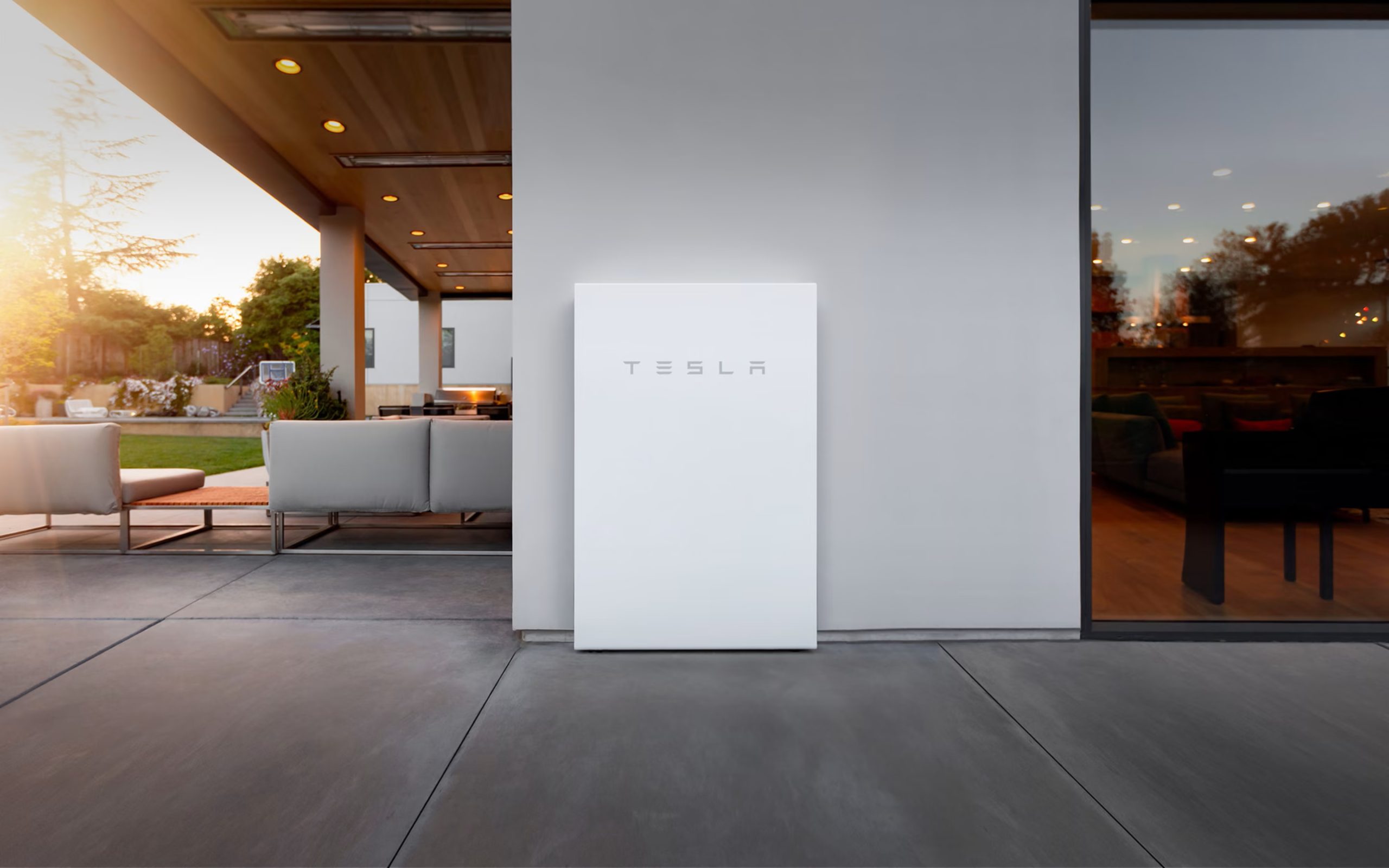
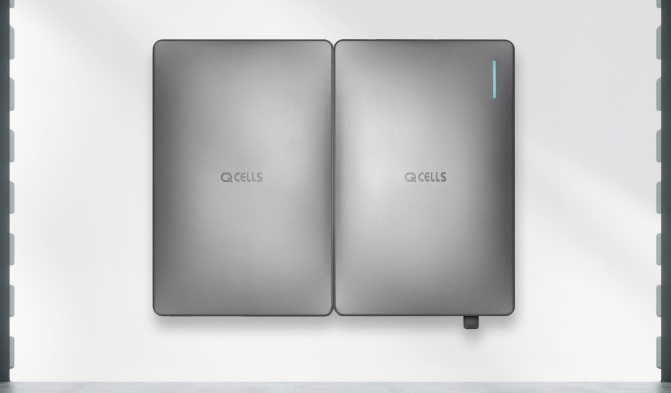
One of the primary benefits of solar power in rural areas is its sustainability. By adopting Qcells Solar PV and Recom Tech Solar, rural households and businesses are not only reducing their carbon footprint but also contributing to a greener planet. Moreover, the cost-effectiveness of solar energy cannot be overstated. With products like GivEnergy and Puredrive Solar Batteries, rural inhabitants are now able to store excess solar energy, ensuring a consistent power supply while significantly reducing electricity bills.

Advanced Solar Technology

Save Energy UK is at the forefront of solar technology, offering cutting-edge products like Sunsynk and Qcell Solar Batteries. These advanced systems are designed to maximize energy efficiency, ensuring that rural communities can harness and utilize solar power effectively. Furthermore, innovations like Solar iBoost allow for the intelligent use of solar energy, diverting it to heat water, thereby further reducing energy costs.

Protecting Local Biodiversity

An often-overlooked aspect of solar panel installation is its impact on local wildlife, particularly birds. Save Energy UK addresses this concern with its Solar Panel Bird Protection solutions, ensuring that solar installations do not disrupt the local ecosystem. This approach reflects a commitment to not just harnessing energy but doing so responsibly and ethically.

Integrating Solar Power with Daily Life

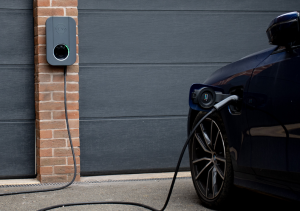
The versatility of solar power extends beyond just lighting homes and running appliances. With the rise of electric vehicles (EVs), the need for accessible charging solutions has become paramount. Save Energy UK’s EV Charging Stations and Solar Carport Installation services provide rural communities with the infrastructure needed to support eco-friendly transportation. This integration of solar power into daily life is a testament to its adaptability and relevance in the modern world.

Enhancing Home Efficiency

Beyond solar panels and batteries, Save Energy UK recognizes the importance of overall energy efficiency in homes. Their Loft & Cavity Wall Insulation services ensure that homes are not just generating sustainable energy but also retaining it effectively, leading to enhanced comfort and further savings on energy bills.

The Broader Impact on Rural Communities

The benefits of solar power in rural communities extend beyond mere energy provision. They have catalysed economic growth, creating jobs and fostering local businesses that revolve around the installation, maintenance, and support of solar systems. Additionally, by reducing reliance on fossil fuels, these communities are cushioned against fluctuating energy prices, contributing to greater economic stability.

The Future is Bright

As the world moves towards a more sustainable future, the role of solar power, particularly in rural areas, cannot be overstated. Companies like Save Energy UK are not just providing energy solutions; they are empowering communities, protecting the environment, and paving the way for a sustainable, self-sufficient future.

Conclusion

The impact of solar power on rural communities in the UK is profound and far-reaching. Through the offerings of Save Energy UK, from advanced solar panels and batteries to comprehensive home insulation solutions, rural areas are witnessing a transformative change. This change not only heralds a new era of energy independence and sustainability but also symbolises a brighter, greener future for generations to come.

Harnessing the Sun: An In-Depth Exploration of Net Metering and Solar Energy with Save Energy UK

Introduction

In an era where sustainable living has become more than a choice but a global necessity, the adoption of solar energy has seen an unprecedented increase. In the United Kingdom, forefront companies like Save Energy UK are leading this green revolution, offering not just solar panel installations but also comprehensive energy-saving solutions. Amongst these, net metering emerges as a key concept, enabling homeowners and businesses to maximise their solar investments. This blog delves into the intricacies of net metering and its synergy with solar energy systems.

Understanding Net Metering

Net metering is a billing mechanism that credits owners of solar energy systems for the electricity they contribute to the grid. Essentially, if your solar panels produce more electricity than you need, the excess is sent back to the power grid. In return, you receive credit which can offset your future electricity bills.

The Mechanism of Net Metering

Picture a sunny day where your solar panels are at their peak, generating more electricity than your home can use. With net metering, this surplus doesn’t go to waste. Instead, it flows back into the public grid, effectively turning your electricity meter backwards. This process contributes to a credit that can be used to draw power during less sunny times, like at night or during overcast days.

Net Metering in the UK Context

In the UK, net metering policies vary, and it’s crucial to understand the specifics as offered by different energy providers. Save Energy UK plays a pivotal role here, helping customers navigate these policies to maximise their benefits from solar installations.

Solar Energy: A Primer

Solar energy, harnessed through photovoltaic (PV) panels, is a clean, renewable power source. When sunlight hits these panels, it creates an electric field, generating direct current (DC) electricity. This DC electricity is then converted to alternating current (AC), the form used in homes and businesses.

Benefits of Solar Energy

  1. Environmental Impact: Solar energy significantly reduces carbon footprints, contributing to a healthier planet.
  2. Energy Independence: It reduces reliance on traditional power grids, offering a self-sustaining energy supply.
  3. Long-Term Savings: Despite the initial installation cost, solar panels result in substantial savings on electricity bills over time.

Integrating Solar Energy with Net Metering

When combined with net metering, solar energy systems not only provide immediate energy needs but also ensure optimal utilisation of excess production. This integration is particularly beneficial in the UK, where sunlight availability can be variable.

The Role of Save Energy UK

Save Energy UK is more than just an installation service; it’s a holistic approach to energy efficiency. The company specialises in:

  1. Tailored Solar Solutions: Understanding individual energy needs and offering customised solar panel installations.
  2. Advanced Solar Batteries: Providing state-of-the-art solar batteries to store excess energy, enhancing the efficiency of the solar system.
  3. Expert Guidance: Assisting in navigating the complexities of net metering policies and energy savings.

Challenges and Considerations

Whilst the benefits are numerous, prospective solar energy adopters should consider:

  1. Initial Investment: The upfront cost of solar panel installation.
  2. Site Suitability: Not all locations are ideal for solar panels; factors like roof orientation and shading play a role.
  3. Maintenance Requirements: Regular maintenance is necessary to ensure optimal performance.

Future of Solar Energy and Net Metering in the UK

The future looks bright for solar energy and net metering in the UK. With technological advancements, increased government support, and heightened public awareness, the adoption of these green solutions is set to rise. Companies like Save Energy UK are instrumental in this transition, offering not just services but also education and support to those embarking on their solar journey.

Conclusion

Net metering, combined with the power of solar energy, offers a promising pathway towards sustainable living. With the expertise of Save Energy UK, transitioning to this eco-friendly solution is not only feasible but also financially advantageous. Embracing solar energy today is a step towards a greener, more sustainable tomorrow.

UK Achieves New Milestone in Solar Energy with Significant Growth in Rooftop Installations

In 2023, the United Kingdom has witnessed an unprecedented surge in rooftop solar power installations, exceeding the total number of installations recorded in the previous year, according to recent data.

In 2023, the UK has seen a remarkable increase in rooftop solar power installations, overtaking the total count from 2022, as per MCS data.

Records indicate that since December, there have been 138,336 solar photovoltaic installations, marginally surpassing the 137,926 installations from the previous year.

These figures pertain to installations with a capacity of up to 50kW, typical for homes, schools, and small businesses. A standard household installation usually boasts around a 4kW capacity.

Based on current trends, the UK is on track to exceed the record high of 203,120 installations set in 2011 during the height of the Feed-in Tariffs scheme.

This program concluded at the end of 2019, having achieved its objective of lowering the costs of photovoltaic energy.

The surge in solar installations is underscored by the fact that over the last 13 months, more than half of the total solar capacity installed in the past four and a half years has been added.

Ian Rippin, CEO of MCS, commented: “Small-scale solar offers both homeowners and businesses a way to gain energy autonomy and shield themselves from the escalating costs of electricity.

“While there’s still progress to be made in facilitating the shift to low carbon technologies for UK consumers, 2023 has already become the most successful year for solar panel installations on residential and commercial properties in our history.”

Chris Hewett, Chief Executive of Solar Energy UK, remarked: “The rapid pace of rooftop solar deployment is driven by straightforward factors. Grid electricity continues to be costly, whereas solar energy is affordable, with most cases seeing a return on investment within a few years.

“For homeowners and small businesses, it ranks as one of the most beneficial financial decisions. Alongside heightened awareness of climate change and record-breaking global temperatures, it’s unsurprising that so many are opting to reduce their carbon footprint through solar energy.”

Updated Regulations to Accelerate Solar Energy Adoption and Reduce Electricity Costs

Residential property owners will now have a streamlined process for fitting solar panels on their rooftops, bypassing expensive and time-consuming planning procedures.

Streamlined Regulations for Easier Rooftop Solar Panel Installation Announced for Homes and Businesses

Under newly announced regulations, both homes and businesses will find it simpler to install rooftop solar panels, thanks to modifications in the permitted development rights rules. This change enables a broader range of property owners to add solar panels without navigating the complexities of the planning system.

Presently, the planning system requirements cause delays of over eight weeks and additional expenses for those involved. The new approach aims to foster wider adoption of solar panels on properties, thereby reducing energy costs and minimizing harmful emissions.

Housing and Planning Minister Lee Rowley MP commented:

“To align our homes with future standards and our net zero goals, it’s essential to streamline the planning system. These changes will allow homeowners and businesses to add solar panels more efficiently, avoiding expensive hold-ups. It’s important to note that these rights come with necessary conditions, especially regarding their application in conservation areas.”

Energy Security and Net Zero Minister Graham Stuart MP added:

“We’re eliminating bureaucratic obstacles today to simplify the process for businesses installing rooftop solar panels. By removing the 1MW limit for industrial rooftop solar, we’re advancing towards our 70GW solar power goal by 2035. This initiative will support numerous long-term skilled jobs in the UK, strengthen our leading position in renewables, and lower energy bills for those with panels.”

The revisions include allowing homes with flat roofs to install panels without needing planning permission, aligning these rules with business regulations. The current requirement for businesses to seek planning permission for solar panels generating more than one megawatt will also be abolished, enabling more extensive solar panel installations without the hassle and expense of planning permission.

The government emphasizes utilizing already developed land for solar panels, which is why the new rules facilitate installing panels in structures like car park canopies, provided they are situated more than ten meters from residential properties.

These changes in permitted development rights are part of the government’s broader efforts to expedite the planning process and reduce bureaucracy, as outlined in the recently enacted Levelling Up and Regeneration Act.

These measures align with the objectives of the British Energy Security Strategy published last year, taking essential steps to address climate change and achieve net zero greenhouse gas emissions by 2050.

Key Considerations Before Solar Panel Installation in Bournemouth, Christchurch, and Poole

Introduction:

With the growing emphasis on sustainability and energy efficiency, homeowners and businesses in the Bournemouth, Christchurch, and Poole regions are increasingly turning to solar panels as a viable energy solution. Save Energy UK, a specialist in solar panel installation and energy conservation, stands at the forefront of this eco-friendly transformation. Before embarking on this green journey, it’s essential to weigh several crucial factors to ensure that your switch to solar energy is both beneficial and seamless. In this comprehensive guide, we’ll explore the key considerations you should address before outfitting your property with solar panels.

1. Understanding Solar Energy

Solar energy is a clean, renewable power source that is becoming increasingly popular in the UK, thanks to its potential for significant energy savings and contribution to environmental conservation. Solar panels capture sunlight and convert it into electricity that can power your home or business, reducing reliance on the grid and fossil fuels. The benefits of solar energy are manifold, including lower electricity bills, reduced carbon emissions, and even the potential for earning money back by selling excess energy back to the grid.

2. Site Evaluation

For residents of Bournemouth, Christchurch, and Poole, a site evaluation is a critical first step. Your property must be assessed for its suitability for solar panel installation. Factors such as the pitch, orientation, and strength of your roof, as well as the amount of sunlight your property receives, will all play a part in determining the efficiency of your solar panels. Save Energy UK offers comprehensive site assessments, ensuring that your home is a good candidate for solar panel installation.

3. Energy Needs Assessment

Before installation, it’s essential to understand your energy consumption patterns. Save Energy UK can help calculate your current energy use and estimate future consumption. This assessment is key to designing a solar system that meets your needs without over- or under-investing in your solar panel capacity.

4. Types of Solar Panels

Solar panel technology has evolved, offering various options to homeowners. The most common types of solar panels include monocrystalline, polycrystalline, and thin-film, each with its own set of benefits and efficiency rates. Save Energy UK can help you navigate these options and select the best type of solar panel for your property, considering factors like efficiency, cost, and how they will look on your roof.

5. Solar Inverters

The inverter is the heart of your solar panel system, converting the direct current (DC) electricity generated by your panels into the alternating current (AC) electricity used in your home. The choice between string inverters, microinverters, and power optimisers can significantly affect the performance and flexibility of your solar system. Save Energy UK’s expertise will guide you to the right inverter choice for your specific situation.

6. Solar Batteries and Energy Storage

Energy storage is an essential component for any solar power system, allowing you to store excess energy for use when the sun isn’t shining. Save Energy UK specialises in the latest solar battery technologies, offering solutions that enhance the self-consumption of solar power and increase the independence of your home from the grid.

9. Legal and Administrative Aspects

There are legal and administrative considerations to take into account before installing solar panels. These include building regulations, planning permissions, and grid connection requirements. Save Energy UK navigates these regulations for you, ensuring that all legalities are addressed, and the process is as streamlined as possible, providing peace of mind and a clear path to solar installation.

10. Maintenance and Monitoring

Solar panel systems are relatively low maintenance, but regular checks are important to ensure they are functioning optimally. Save Energy UK offers maintenance services and advice on monitoring systems, so you can keep track of your system’s performance and quickly address any issues. This proactive approach ensures your system’s longevity and efficiency.

11. Environmental Impact

Switching to solar power has a significant positive impact on the environment. By reducing reliance on fossil fuels, your carbon footprint decreases, contributing to the fight against climate change. Solar panels also contribute to the UK’s renewable energy targets. Save Energy UK is committed to promoting biodiversity and environmental stewardship through their solar panel installations.

Conclusion

Embracing solar energy is not just a step towards sustainable living; it’s a strategic financial decision that can yield long-term savings and energy independence. With comprehensive support from Save Energy UK, transitioning to solar power is a seamless process, from initial assessment to post-installation service. If you’re considering solar panels for your property, contact Save Energy UK to learn more about how they can illuminate your path to clean energy.

Experts anticipate a boom in off-grid lifestyles propelled by breakthroughs in solar power technology.

Scientists forecast a surge in off-grid living due to advancements in solar technology

Over the past ten years, solar energy expenses have plummeted by 90%, and recent innovations have led to higher efficiency levels.

A new research indicates that rooftop solar panels could fulfill the complete energy requirements of over 30 million European households.

The study, conducted by Germany’s Karlsruhe Institute of Technology, suggests that over half of the 41 million detached homes in Europe could have achieved energy self-sufficiency in 2020 through the use of solar panels and battery storage, a number projected to increase to 75 percent by 2050.

Improvements in solar technology are set to make it financially feasible for some of these independent single-family homes to disconnect from the power grid entirely in the future years.

However, the study authors argue that from a broader economic perspective, it’s more practical for households to stay grid-connected and supply surplus power to others when there’s an abundance of energy production.

“Our findings indicate that by 2050, while going off-grid might not be the cheapest option, investing in self-sufficient properties could be justifiable for those prepared to pay a premium for independence,” said Max Kleinebrahm, the study’s lead author and an energy economics expert at the Karlsruhe Institute of Technology.

He added, “A mass migration away from the grid would be less effective compared to households contributing to and reinforcing the existing grid infrastructure.”

These findings were outlined in a paper titled ‘Two million European single-family homes could abandon the grid by 2050’, featured in the academic periodical Joule.

Solar panel costs have experienced a substantial decrease lately, with solar energy becoming almost 90 per cent cheaper in the past ten years, as determined by the Berlin-based Mercator Research Institute on Global Commons and Climate Change (MCC) in their September analysis.

Lead investigator Felix Creutzig has suggested that the plunging prices might enable solar technology alongside other renewable resources to affordably meet global energy demands by 2050.

In a related study last month by teams at the University of Exeter and University College London, findings indicated that solar energy has surpassed a decisive threshold and is on track to become the dominant energy source worldwide within thirty years.

“With the latest advances in renewable energy, scenarios dominated by fossil fuels are becoming outdated,” stated Femke Nijsse of the University of Exeter.

She explained, “Employing three models that account for positive reinforcements, our projections see solar PV becoming the cornerstone of the global energy landscape by the mid-21st century.”

Preparing Your Solar Panels for the UK Winter

Solar Energy

The UK winter is renowned for its chilly spells and shortened daylight hours. This can pose concerns for those who rely on solar energy, leading many to ponder the quintessential question: do solar panels work in winter in the UK? The answer, in short, is a resounding ‘yes’. However, your solar panels can work and thrive during the frosty season with the right preparation.

This blog post’ll guide you through the essential steps to ensure your solar panels are winter-ready. Let’s delve into the world of solar energy during the colder months.


The Myths and Realities of Solar Panels in Winter

First, let’s address a common misconception. Many think that solar panels are solely reliant on scorching summer days. In reality, solar panels convert light, not heat, into energy. This means they can function even on overcast days. In some cases, the cool temperatures of winter can even enhance their efficiency!

Ensuring Uninterrupted Energy Supply

One of the game-changers in solar technology has been the introduction of solar battery storage. Particularly in the UK, where daylight hours can be limited during winter, having a solar panel battery storage system is crucial.

The solar panel battery storage cost UK homeowners might consider is a worthy investment. By storing excess energy produced on sunnier days, this system ensures you have a reliable power supply even when the sun isn’t shining as brightly. Moreover, for those considering commercial solar energy, solar panel battery storage UK options are increasingly scalable, catering to businesses of all sizes.

Exploring Commercial Solutions

With the growing prominence of green initiatives, many businesses in the UK are switching to solar energy. Commercial solar panel installers UK-based have seen a surge in demand. From small enterprises to large corporations, solar solutions are proving to be both eco-friendly and cost-effective. Commercial solar energy is no longer just a trend but an essential aspect of sustainable business operations.

Solar Panels with Battery Storage

Pairing solar panels with battery storage UK systems guarantees an uninterrupted power supply. This combination ensures that homes and businesses can store excess energy for use during times when solar generation is lower.

While the initial installation might come with costs, the long-term savings and reduction in energy bills make it a smart decision. Not to mention, with the uncertainties around energy prices, having your own renewable source of power provides a sense of security.

Domestic Solar Installation

Domestic solar installation is becoming increasingly popular in the UK. Homeowners are recognising the benefits of producing their own energy, from significant savings to reducing their carbon footprint. The process of solar panels UK installation has also become more streamlined and accessible, thanks to experienced solar power installers who can guide homeowners through the entire process.

Opting for Local Expertise

If you’re based in the south of England, finding local expertise is crucial. For instance, those in Dorset might look for solar panels Christchurch specialists to ensure a seamless installation process tailored to local conditions.

Commercial Installation and Save Energy UK Van

Maintenance Tips for Winter

While installing solar panels UK-wide has become more common, maintaining them, especially in winter, is crucial. Here are some tips to consider:

  • Regularly Inspect: Check for debris, snow, or ice. While panels are designed to withstand the weight of snow, clearing them ensures they receive maximum sunlight.
  • Angle Adjustment: The winter sun sits lower in the sky. Adjusting the angle of your panels can help in capturing more light.
  • Monitor System Performance: Using monitoring tools, keep an eye on your system’s performance to detect any anomalies.
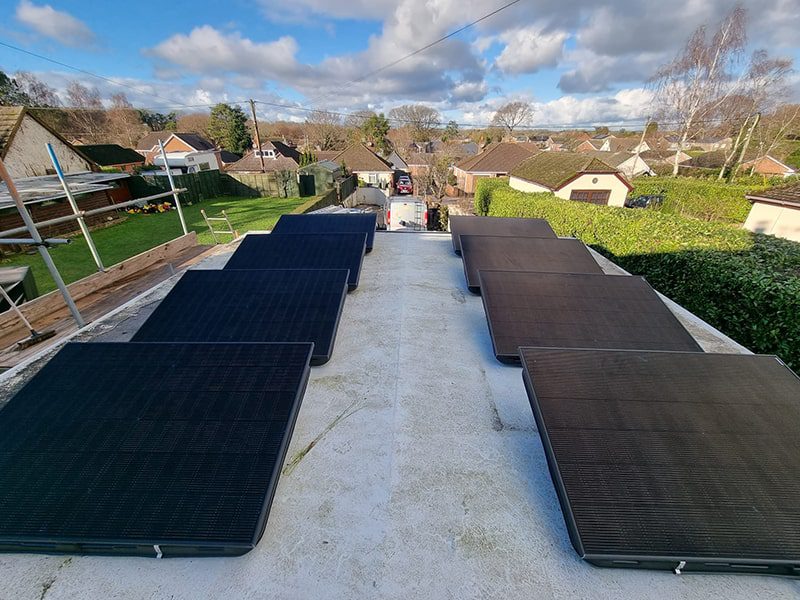
solar panels on flat roof in front of house

Conclusion

In conclusion, preparing your solar panels for winter is an essential step for any homeowner or business in the UK. From understanding the efficiency of panels during the colder months to investing in solar panel battery storage, ensuring uninterrupted energy supply is crucial. Whether you’re considering domestic solar installation or seeking commercial solutions, the UK market is equipped with a plethora of options tailored to your needs.

Remember, winter doesn’t mean the end of solar energy production; it just requires a little more preparation! So, embrace the power of the sun, even during the UK’s coldest months, and ensure your panels are winter-ready.

The Role of Solar Energy in the UK’s Net Zero Targets

Introduction

In recent years, the United Kingdom has made significant strides towards achieving its ambitious net-zero emissions target by 2050. One of the most promising contributors to this goal is solar energy. The UK is fortunate to have access to an abundant source of renewable energy from the sun, and this natural resource has the potential to play a pivotal role in reducing carbon emissions and transitioning to a sustainable future. In this blog post, we will explore the critical role of solar energy in the UK’s net-zero targets, focusing on various aspects such as commercial solar energy, solar battery storage, solar panel installations, and the feasibility of solar panels during the winter months.

Solar Panel Installation 18 400x300

Commercial Solar Energy

Commercial solar energy systems have played a significant role in the UK’s renewable energy landscape. Many businesses have recognized the economic and environmental benefits of harnessing solar power to meet their energy needs. By installing solar panels on commercial properties, companies can reduce their reliance on fossil fuels, lower their energy bills, and demonstrate their commitment to sustainability.

Commercial solar panel installers in the UK have been instrumental in facilitating this transition. These professionals specialise in designing and installing solar energy systems tailored to the specific needs and energy consumption patterns of businesses. Through their expertise, commercial solar installations have become more efficient and cost-effective, making them an attractive option for enterprises of all sizes.

The Rise of Solar Energy in the UK

The UK’s transition to a greener and more sustainable energy future has been marked by the rapid growth of solar energy installations. Over the past decade, solar panels have become a familiar sight on both residential and commercial rooftops. This growth can be attributed to several factors, including government incentives, technological advancements, and an increasing awareness of the need to reduce carbon emissions.

Solar Battery Storage in the UK

One of the challenges associated with solar energy is its intermittency. Solar panels generate electricity when the sun is shining, but energy production decreases during cloudy days and at night. To address this issue, solar battery storage systems have gained popularity in the UK.

Solar battery storage allows excess energy generated by solar panels to be stored for later use. This technology is crucial for ensuring a continuous and reliable power supply, even when the sun is not shining. Solar battery storage in the UK has become an essential component of many solar installations, both residential and commercial.

Solar panels with battery storage offer several advantages:

  1. Energy Independence: Solar battery systems provide greater energy independence by reducing reliance on the grid and fossil fuels.
  2. Peak Demand Management: Stored energy can be used during peak demand periods, reducing electricity costs.
  3. Backup Power: Solar battery systems can provide backup power during grid outages, enhancing the resilience of homes and businesses.
  4. Grid Support: Solar batteries can also support the grid by providing excess energy during times of high demand.

Domestic Solar Installation

The adoption of solar panels in residential settings has been a driving force behind the UK’s transition to clean energy. Domestic solar installations have allowed homeowners to generate their electricity and contribute to the reduction of carbon emissions. Installing solar panels on rooftops not only lowers energy bills but also increases the value of properties.

Gary Beech 400x226

Do Solar Panels Work in Winter in the UK?

One common concern regarding solar panels in the UK is their performance during the winter months when daylight hours are shorter, and weather conditions are less favorable. However, it is essential to dispel the myth that solar panels are ineffective in winter.

Solar panels continue to generate electricity during the winter months, albeit at a slightly lower efficiency compared to the sunnier seasons. Modern solar panels are designed to capture diffuse light and can still produce electricity on cloudy days. Additionally, the angle and orientation of the panels can be adjusted to optimise energy generation during the winter months.

While snowfall can temporarily obstruct solar panels, they are typically installed at an angle that encourages snow to slide off. Moreover, as soon as the snow cover melts or is cleared, the panels will resume generating electricity.

Solar Panels vs. Traditional Energy Sources

The Dawn of a Greener UK

In recent years, there’s been a noticeable paradigm shift in how the UK perceives energy. The race to reduce our carbon footprint and transition to more sustainable forms of energy has never been more imperative. At the forefront of this revolution are solar panels. But how do solar panels compare to traditional energy sources, and why should UK residents consider switching? In this blog, we’ll be delving into the world of solar panels, and why companies like Save Energy UK are pushing for a cleaner, greener Britain.

Solar Panel Installation 25 398x300

The Sunny Side of Solar Panels

Efficient and Sustainable

The primary source of energy for solar panels is the sun, a resource that’s abundant and inexhaustible. The sun beams more energy onto Earth in one hour than the entire world uses in a whole year. By harnessing this power, solar panels offer an efficient and sustainable way to generate electricity.

Cost-Effective in the Long Run

While the initial solar panels UK installation might seem pricey, it’s an investment that pays for itself over time. Traditional energy sources often come with fluctuating costs, subject to international crises, wars, and global market shifts. Solar energy, on the other hand, has negligible running costs. Once the solar panel installation near you is complete, there are minimal maintenance costs, leading to substantial savings in the long run.

Solar Storage Solutions

One of the more recent innovations that boost the feasibility of solar panels is the solar battery UK market. These solar storage batteries ensure that excess energy generated during sunny days is stored for use during overcast days or night time. No more relying solely on the grid during the UK’s unpredictable weather days.

Grants and Incentives

The UK government recognises the importance of renewable energy. As a result, there are numerous grants and incentives available for those looking to install solar panels. These incentives further reduce the overall costs, making solar panels an even more attractive proposition.

Solar Panel Installation 30 398x300

The Downsides of Traditional Energy Sources

Environmental Concerns

The environmental concerns of traditional energy sources are well-documented. Burning fossil fuels releases carbon dioxide, a primary greenhouse gas responsible for global warming. In contrast, solar panels produce clean energy, emitting no greenhouse gases once installed. By opting for a solar panel installation near you, not only are you saving money, but you’re also contributing significantly to a reduction in harmful emissions.

In Conclusion

The debate between solar panels and traditional energy sources is becoming less of a contest and more of a clear path forward. Solar energy, with its plethora of benefits ranging from cost savings to environmental conservation, stands out as the energy source of the future.

So, the next time you find yourself contemplating your energy options, remember that a greener, more sustainable future is just a search away. Whether you’re interested in a solar battery UK solution, or just keen to explore solar storage battery options, companies like Save Energy UK are here to guide you. Together, we can usher in a brighter, more sustainable future. Save energy, save the planet.

Rooftop Solar Power in the UK is at an all time high

New data reveals that the UK has achieved a remarkable surge in rooftop solar power installations in 2023, surpassing the total installations for the entire preceding year, setting new records in solar energy uptake.

In 2023, the United Kingdom has witnessed a substantial surge in rooftop solar power installations, surpassing the total installations for the entire year of 2022, as per data from MCS (Microgeneration Certification Scheme).

The statistics reveal that a total of 138,336 solar photovoltaic installations have been registered since December, slightly surpassing the 137,926 recorded during the previous year. These statistics specifically pertain to installations with a capacity of 50kW and below, typically found on residential buildings, schools, and small businesses. A typical domestic installation usually boasts a capacity of around 4kW.

The current trajectory suggests that the UK may exceed the all-time installation record of 203,120, established during the peak of the Feed-in Tariffs regime in 2011. This government scheme was discontinued at the end of 2019, with the rationale that it had effectively achieved its goal of reducing photovoltaic energy costs.

The rapid growth in solar installations is underscored by the fact that over half of the capacity installed over the past four and a half years has been added in the last 13 months.

Ian Rippin, Chief Executive of MCS, remarked, “Small-scale solar provides home and business owners with energy independence and security against ever-increasing electricity costs. There is still more work to be done to make the transition to low carbon technology even easier for UK consumers, but 2023 is already the most successful year in our history for solar installations on the roofs of homes and businesses.”

Chris Hewett, Chief Executive of Solar Energy UK, stated, “The reasons behind the extraordinary pace of rooftop solar deployment are simple. Power from the grid remains expensive, whereas solar is cheap, paying back in a handful of years in most circumstances. It’s one of the best investments that home and small business owners can make. Coupled with growing concern over climate change and record temperatures around the world, it’s no wonder that so many people have taken the plunge to decarbonize.”